2025 Top Soft Wash Power Washing Techniques for Homeowners
In the realm of home maintenance, the demand for effective cleaning techniques has led to the rising popularity of soft wash power washing. This innovative method, known for its low-pressure application and eco-friendly detergents, is revolutionizing the way homeowners approach exterior cleaning. As industry expert John Smith states, "Soft wash power washing not only enhances the visual appeal of a property but also significantly extends the lifespan of surfaces by removing harmful contaminants."
Soft wash power washing techniques are particularly effective for delicate materials such as roofs, siding, and decks, where traditional high-pressure washing can cause damage. Emphasizing the importance of selecting the right techniques, homeowners can ensure that their property remains not only clean but also protected. This article will delve into the top techniques for 2025, providing valuable insights for homeowners looking to embrace the benefits of soft wash power washing in their maintenance routines.
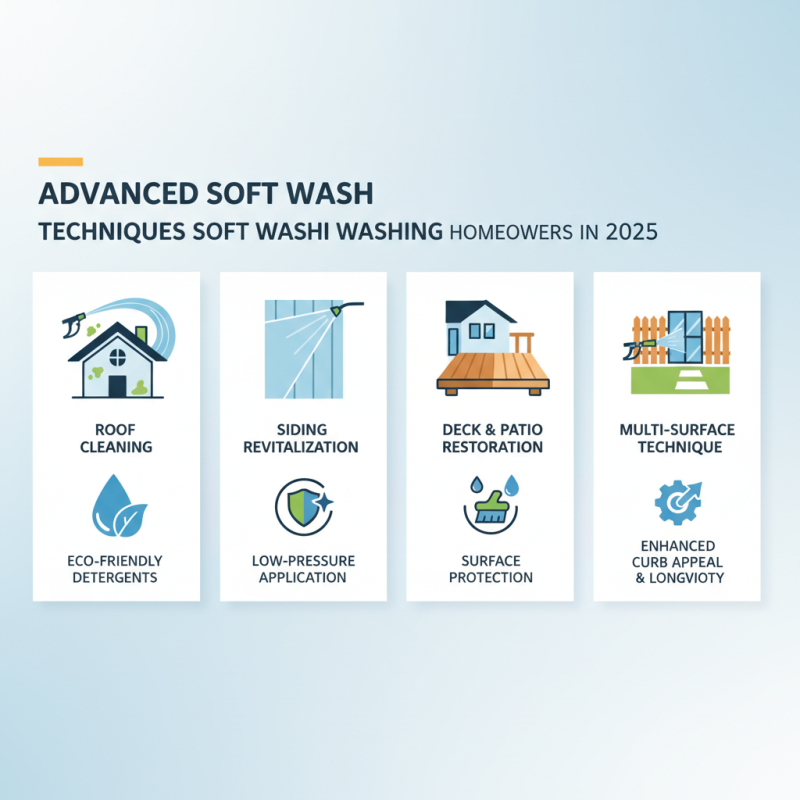
Essential Soft Wash Techniques for Homeowners in 2025
As homeowners look to maintain their properties in 2025, mastering essential soft wash techniques becomes crucial. Soft washing employs low-pressure water combined with specialized cleaning solutions to effectively remove dirt, algae, and mildew. One important technique is surface preparation, which involves clearing any debris or obstacles from the area to be cleaned. This ensures that the soft washing solution can penetrate effectively, leading to enhanced results. Proper surface preparation not only improves cleanliness but also safeguards surfaces, prolonging their lifespan.
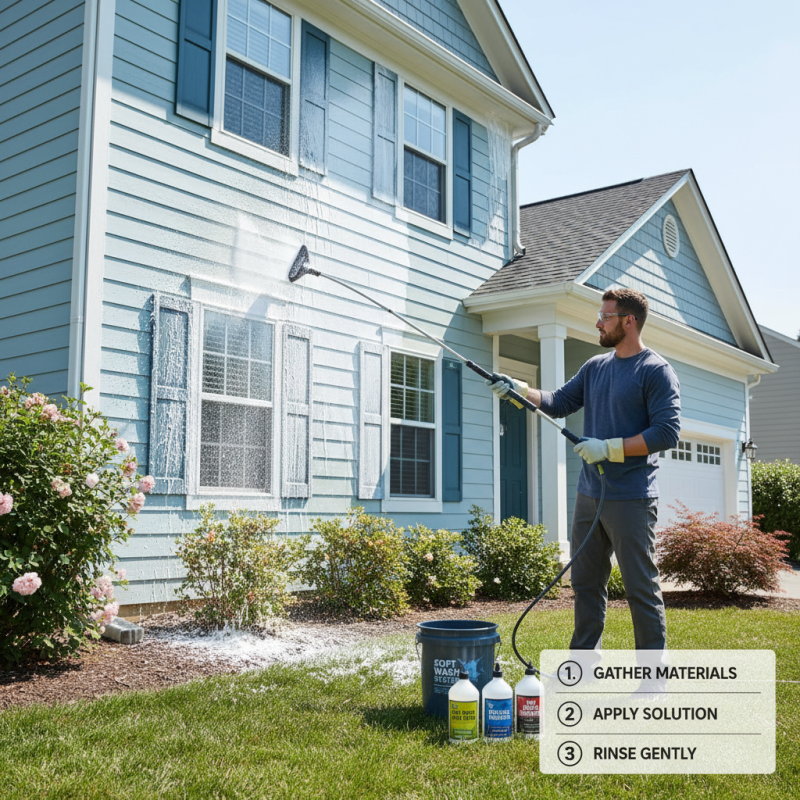
Another vital technique is the application of the soft wash mixture. Homeowners should focus on using a methodical approach, applying the solution in even, sweeping motions. This helps prevent streaks and ensures thorough coverage. Allowing the mixture to dwell for adequate time enhances its effectiveness by breaking down contaminants before rinsing. Additionally, utilizing a gentle rinse with low pressure ensures that surfaces are cleaned without risk of damage, making it suitable for delicate materials like shingles, siding, and outdoor furnishings. By mastering these soft wash techniques, homeowners can achieve a pristine and well-maintained exterior.
Choosing the Right Equipment for Effective Soft Washing
When it comes to soft washing, the right equipment is vital for achieving the best results on residential surfaces. Soft washing utilizes low-pressure water combined with specialized cleaning solutions to safely remove dirt, mold, and mildew without damaging delicate surfaces. According to a report by the Power Washers of North America (PWNA), nearly 80% of homeowners prefer soft washing for exterior cleaning due to its effectiveness and gentleness compared to traditional pressure washing methods.
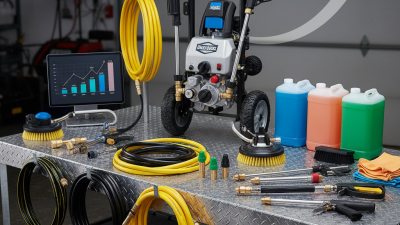
Choosing the ideal equipment begins with selecting the right soft wash system, which often includes a proportioner, a soft wash pump, and various nozzles. A specific type of soft wash pump should be capable of delivering a consistent chemical mix at a manageable pressure, ideally around 100-300 PSI, which is safe for delicate surfaces like roofs and sidings. Additionally, high-quality nozzles that create a wide spray pattern help ensure an even application of cleaning solutions, increasing efficiency and reducing the amount of water used. Research indicates that homeowners who invest in proper equipment can save up to 30% on cleaning costs over time due to reduced water consumption and increased cleaning effectiveness.
Furthermore, proper training in equipment usage and safety is essential. Studies show that homeowners using the correct techniques and safety protocols during soft washing can decrease the risk of accidents by up to 40%. This not only promotes safety but also ensures that the cleaning process is both effective and sustainable, contributing to the longevity of home exteriors while preserving the environment.
Step-by-Step Guide to Soft Washing Different Surfaces
Soft washing is an effective and gentle cleaning technique that homeowners can use to maintain various surfaces around their property. This method utilizes a low-pressure application combined with specialized cleaning solutions, making it ideal for delicate surfaces that could be damaged by high-pressure washing. To start, homeowners should first gather necessary materials, including a soft wash system, protective gear, and the appropriate cleaning solution tailored to the surface they intend to clean.
When soft washing a roof, begin by applying the cleaning solution from the bottom up, working in small sections to prevent streaking. Allow the solution to sit for a few minutes to break down dirt and algae, then rinse with low-pressure water, ensuring that no residue is left behind. For siding, a similar approach applies; however, it is important to protect nearby plants and landscaping by wetting them before application. Homeowners should also consider the type of siding they have, as some materials may require specific techniques or solutions to avoid damage.
Soft washing driveways and patios involves a slightly different method. First, clear any debris and use a broom to sweep the area. Then, apply the cleaning solution uniformly and let it dwell for a short period. This will help lift grease and stains, allowing for a thorough rinse afterward. By following these steps, homeowners can ensure their surfaces are clean and maintained without the risk of damage associated with higher pressure washing methods.
Safety Precautions Every Homeowner Should Follow
When engaging in soft wash power washing techniques, safety should always remain a top priority for homeowners. According to a report by the American Cleaning Institute, approximately 45% of injuries associated with pressure washing activities are due to improper handling of equipment or failure to adhere to safety protocols. It is crucial to wear personal protective equipment (PPE) such as goggles, gloves, and non-slip footwear to minimize the risk of injury. A professional-grade soft washing machine can exert significant pressure; therefore, being well-informed about equipment handling can prevent accidents and ensure a safe cleaning process.
Furthermore, prepping the work area is essential to maintain safety during soft washing. This involves clearing the vicinity of debris and ensuring that electrical outlets and wiring are protected from water exposure. The Consumer Product Safety Commission reports that slips and falls account for over 25% of all home injuries, emphasizing the importance of a safe, clean workspace. Homeowners should also ensure that all bystanders are at a safe distance and that pets are secured away from the work area.
Following these precautionary measures not only enhances safety but also contributes to the effectiveness of the washing process, offering homeowners peace of mind while they refresh their property’s exterior.
Environmental Considerations During Soft Washing Processes
As homeowners increasingly turn to soft washing for exterior cleaning, it’s imperative to consider the environmental impact of these processes. Soft washing utilizes low-pressure water combined with biodegradable detergents to remove dirt, moss, and mildew from surfaces without the harsh effects associated with traditional pressure washing. According to the U.S. Environmental Protection Agency (EPA), improper use of chemicals can lead to runoff that may harm local ecosystems. Thus, selecting eco-friendly, non-toxic cleaning solutions is essential for anyone engaging in soft washing.
Furthermore, ensuring proper containment and disposal of wastewater can significantly mitigate environmental concerns. Reports show that urban runoff can contribute to over 75% of pollution in local water bodies, as stated by the Water Environment Federation. Homeowners should employ techniques that capture runoff water, especially when washing near storm drains, to prevent chemical constituents from reaching waterways. Utilizing rain-capturing systems or adjusting washing procedures to reduce runoff can help maintain a balance between effective cleaning and environmental stewardship. By making informed choices during soft washing, homeowners can ensure that they not only beautify their living spaces but also protect their surroundings.