Choosing the 2026 best pressure cleaning equipment requires more than comparing maximum PSI. Global buyers need dependable performance, efficient water use, simple maintenance, and verified supplier support. A powerful machine may clean a concrete driveway quickly. However, it can damage painted wood, stone, or delicate vehicle surfaces when poorly adjusted. The details matter.
Alfred Kärcher, a widely recognized cleaning-equipment pioneer, expressed a practical goal: “I want to make cleaning easier.” That principle still guides responsible pressure cleaning decisions. The strongest choice is not always the largest machine. It may be a compact electric unit for indoor maintenance, a diesel-powered system for remote construction sites, or a hot-water model for grease-heavy industrial work. No single product fits every country or application.
This guide examines pressure, flow rate, heating systems, pump durability, hose quality, nozzle control, mobility, and after-sales service. It also considers voltage differences, replacement-part availability, shipping conditions, and operator training. A machine that looks affordable may become expensive after one failed pump or delayed repair. That is easy to overlook.
Real-world experience also exposes uncertainty. Manufacturer ratings do not always reflect difficult water conditions, long daily workloads, or inconsistent maintenance. Buyers should test equipment where possible. They should question exaggerated claims. Careful selection protects surfaces, workers, budgets, and the environment while supporting reliable cleaning results across international markets.
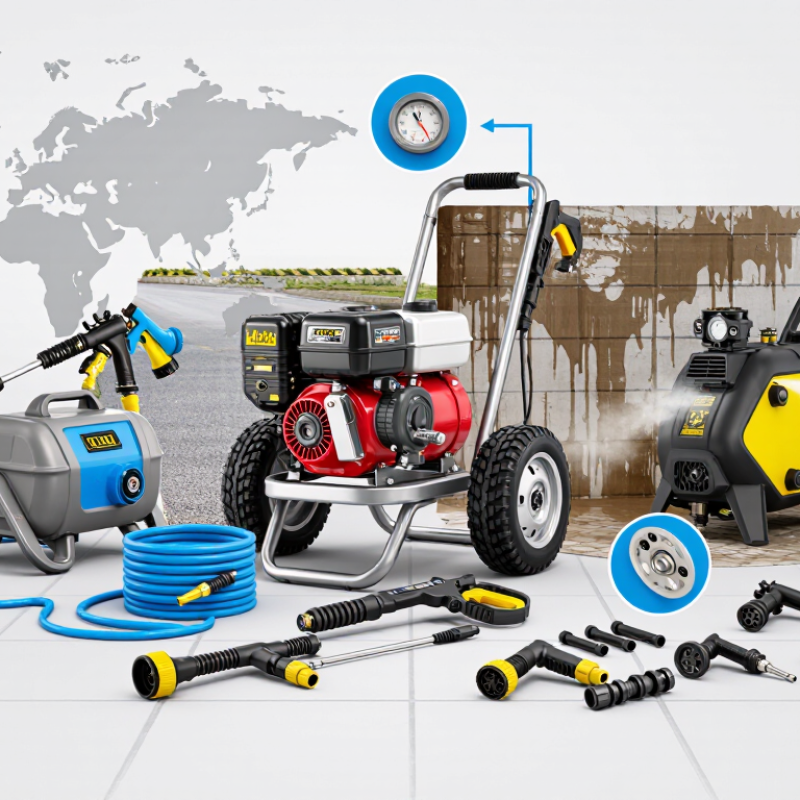
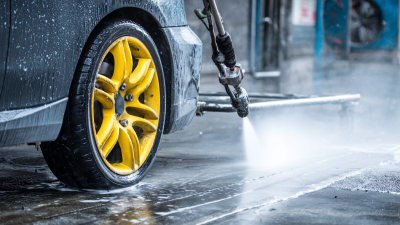
Pressure cleaning equipment uses pressurized water to remove dirt, grease, mold, and loose coatings. A complete system usually includes a pump, motor, hose, spray gun, nozzle, and water inlet. Pressure alone does not define performance. Water flow, temperature, nozzle angle, and surface distance matter equally. I have found that excessive pressure can damage soft wood, painted walls, and vehicle finishes. Lower pressure is often safer.
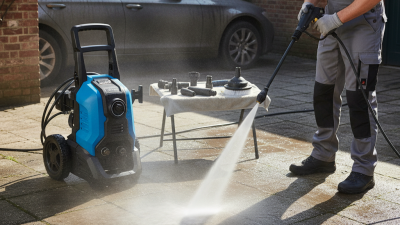
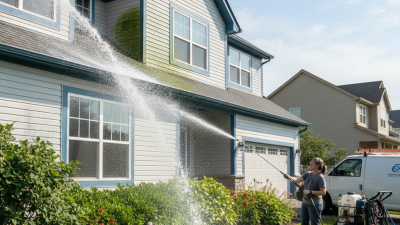
Cold-water units suit general dust, mud, patios, vehicles, and building exteriors. Hot-water machines handle oily workshop floors and stubborn industrial residue more effectively.
Electric models work well indoors when suitable power is available. Fuel-powered systems offer mobility but need ventilation and careful fuel storage.
Trailer-mounted equipment supports large sites, while compact units simplify transport between smaller jobs.
Core applications include construction cleanup, agricultural equipment washing, facility maintenance, and public-area care. Operators should test a hidden surface before full cleaning. Keep the nozzle moving, and avoid forcing water into seals, vents, or electrical connections.
Global buyers should check voltage, water requirements, spare-part access, and local safety rules. Specifications can look impressive, yet service support may be weak. That is a practical risk.
A quieter machine may also improve communication on busy worksites, although measured noise levels deserve verification. Our selection process is not perfect; real performance changes with water quality, operator skill, and weather.
2026 Best Pressure Cleaning Equipment for Global Buyers
Comparing pressure cleaning machines starts with pressure and flow, not advertising claims. Pressure is measured in bar or psi; flow is measured in litres per minute or gallons per minute. Pressure breaks dirt. Flow carries it away. A machine rated at 180 bar but delivering weak flow may clean slowly. For patios, 120–160 bar and 7–10 L/min often provide a practical balance. Industrial buyers may require more, but surface damage becomes easier.
The 2024 MarketsandMarkets pressure washer report estimates the global market could grow from about USD 2.5 billion in 2023 to over USD 3.5 billion by 2028. That growth makes specification discipline important. Compare input power, motor duty cycle, pump material, hose length, and water temperature rating. Electric models suit indoor work when ventilation and electrical protection are adequate. Hot-water machines remove grease faster, but they consume more energy and need stronger maintenance routines.
Do not ignore water demand. My first comparison was wrong.
A machine using 12 L/min can consume 720 litres per hour continuously. Check the site’s water supply before purchase. Noise also matters near offices, homes, and hospitals. Look for tested sound levels, not vague “quiet” wording. For international procurement, verify voltage, frequency, plug type, spare-part access, and local conformity requirements. IEC 60335-2-79 provides relevant safety requirements for high-pressure cleaners, while actual performance still depends on operator technique, nozzle choice, and surface distance.
| Equipment Type | Typical Working Pressure | Maximum Pressure | Typical Water Flow | Cleaning Power (Pressure × Flow) |
Power Source | Water Temperature | Typical Weight | Best-Suited Applications | Key Buying Considerations |
|---|---|---|---|---|---|---|---|---|---|
| Compact Electric Cold-Water Washer | 80–120 bar (1,160–1,740 psi) |
100–150 bar (1,450–2,175 psi) |
6–9 L/min (1.6–2.4 gpm) |
480–1,080 pressure-L/min | 1.3–2.2 kW, single-phase | Cold water, generally up to 40°C | 6–18 kg | Vehicles, patios, balconies, garden furniture and light household cleaning | Check electrical compatibility, hose length, pump material, portability and availability of replacement accessories |
| Professional Electric Cold-Water Washer | 120–180 bar (1,740–2,610 psi) |
150–220 bar (2,175–3,190 psi) |
9–15 L/min (2.4–4.0 gpm) |
1,080–2,700 pressure-L/min | 2.5–5.5 kW, single- or three-phase | Cold water, generally up to 50°C | 25–55 kg | Fleet washing, workshops, commercial buildings, machinery and routine maintenance | Prioritize continuous-duty rating, thermal overload protection, total-stop control, pump serviceability and inlet-water requirements |
| Heavy-Duty Electric Cold-Water Washer | 180–250 bar (2,610–3,625 psi) |
220–300 bar (3,190–4,350 psi) |
12–21 L/min (3.2–5.5 gpm) |
2,160–5,250 pressure-L/min | 5.5–11 kW, usually three-phase | Cold water, commonly up to 60°C inlet temperature | 50–100 kg | Industrial floors, construction equipment, agricultural machinery and large vehicle fleets | Confirm site voltage and phase, water supply capacity, pump duty cycle, frame strength and ground-fault protection |
| Petrol- or Diesel-Driven Cold-Water Washer | 150–250 bar (2,175–3,625 psi) |
180–300 bar (2,610–4,350 psi) |
10–21 L/min (2.6–5.5 gpm) |
1,500–5,250 pressure-L/min | Petrol or diesel engine, typically 5–15 hp | Cold water | 45–100 kg | Remote sites, farms, construction areas and locations without reliable electrical power | Allow for exhaust ventilation, fuel storage, engine maintenance, noise control and local emissions requirements |
| Electric Hot-Water Pressure Washer | 100–200 bar (1,450–2,900 psi) |
130–250 bar (1,885–3,625 psi) |
8–16 L/min (2.1–4.2 gpm) |
800–3,200 pressure-L/min | 3–18 kW, depending on heater capacity and supply | Typically adjustable up to 80–140°C at the outlet | 70–160 kg | Oil, grease, food-processing areas, transport maintenance and hygienic cleaning | Compare heating method, fuel or electricity cost, temperature controls, burner safety systems and wastewater regulations |
| Trailer-Mounted Pressure Cleaning System | 150–250 bar (2,175–3,625 psi) |
180–300 bar (2,610–4,350 psi) |
12–21 L/min (3.2–5.5 gpm) |
1,800–5,250 pressure-L/min | Petrol or diesel engine; integrated water tank often available | Cold or hot water, depending on configuration | 250–900 kg including trailer equipment | Mobile contract cleaning, public infrastructure, road equipment and large outdoor sites | Evaluate road approval, braking system, tank capacity, towing compatibility, hose reels and service access |
| Ultra-High-Pressure Industrial Washer | 500–1,000 bar (7,250–14,500 psi) |
700–2,800 bar (10,150–40,600 psi) |
10–40 L/min (2.6–10.6 gpm) |
5,000–40,000 pressure-L/min | Diesel engine or high-power three-phase motor | Usually cold water; specialized hot-water systems available | 300–2,000 kg | Concrete removal, shipyards, industrial descaling, pipeline work and surface preparation | Use trained operators only; verify hose and lance certification, guarding, emergency shutoff and protective equipment requirements |
| Drain and Sewer Jetting Machine | 100–250 bar (1,450–3,625 psi) |
120–300 bar (1,740–4,350 psi) |
30–100 L/min (7.9–26.4 gpm) |
3,000–25,000 pressure-L/min | Petrol, diesel or three-phase electric drive | Normally cold water | 60–600 kg | Drain unblocking, sewer maintenance, pipe cleaning and municipal utility work | Flow is often more important than peak pressure; compare tank volume, hose length, nozzle selection and filtration |
| Battery-Powered Portable Washer | 30–80 bar (435–1,160 psi) |
50–100 bar (725–1,450 psi) |
2–6 L/min (0.5–1.6 gpm) |
60–480 pressure-L/min | Rechargeable battery, commonly 18–40 V | Cold water | 3–12 kg including battery | Spot cleaning, bicycles, boats, outdoor recreation equipment and areas without mains power | Compare battery runtime, charge time, spare-battery cost, self-priming capability and water-source flexibility |
Specification ranges are typical market categories for comparison and may vary by configuration, operating conditions and local electrical standards. Working pressure, water flow and accessory compatibility should be verified on the equipment nameplate and technical datasheet before purchase. Cleaning power is calculated as pressure multiplied by water flow and is intended for relative comparison rather than a guaranteed field-performance rating.
For global buyers, pressure cleaning equipment should match the surface, task, and available water supply. Concrete tolerates higher pressure, while painted metal, wood, and vehicle panels need lower pressure and wider spray angles. A narrow nozzle can cut quickly, but it may leave visible stripes. I have seen this happen on warehouse floors. Test a hidden area first, especially when the coating is old.
Flow rate matters as much as pressure. A machine rated at 150 bar and 10 litres per minute may clean faster than a higher-pressure model with weak water delivery. Check the site’s inlet flow, hose length, tank capacity, and filtration needs. The U.S. Environmental Protection Agency’s WaterSense at Work guidance identifies cleaning as a major commercial water-use area, so recovery tanks and trigger-controlled guns deserve attention. However, water-saving claims can be optimistic. Measure actual consumption during a full shift.
Water availability also changes the equipment choice. The UN World Water Development Report 2024 states that 2.2 billion people lacked safely managed drinking water in 2022. In such regions, choose equipment that can draw from a storage tank, tolerate variable inlet pressure, and recycle usable water where regulations permit. For oily machinery, hot water and approved detergents may reduce labor. For dust, cold water may be enough. The wrong setup wastes water, energy, and surface life. Test before scaling.
Safe operation starts before the trigger is pulled. High-pressure water can cut skin, inject debris, and damage eyes within seconds. The ILO and WHO estimated 2.93 million work-related deaths and 395 million non-fatal injuries globally in 2023. Pressure cleaning cannot be treated as routine washing. Operators should wear eye protection, waterproof gloves, slip-resistant footwear, and hearing protection. NIOSH recommends controlling occupational noise below an 85 dBA, eight-hour average. Keep bystanders away from the spray zone. Never point the lance at people, animals, electrical connections, or unstable surfaces.
Tips: Inspect hoses, couplings, seals, and spray tips before every shift. A small crack is not harmless. Check the pressure rating and electrical protection for the destination country. Flush clean water through the pump after chemical use, then release stored pressure before maintenance.
Keep intake filters clear and avoid running the pump dry. These steps reduce seal failure, overheating, and unexpected recoil. ISO 45001 principles also support documented risk checks, worker training, and corrective actions. Records matter when several operators share one machine.
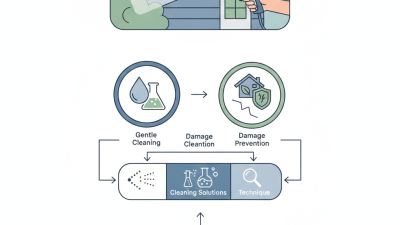
OPERATING TECHNIQUE Operating technique needs patience. Start with a wider spray angle and greater distance, then adjust gradually. Test painted metal, stone, and wood in a hidden area. Excessive pressure can etch concrete or strip protective coatings. Water runoff may carry oil, sediment, or cleaning residues, so local wastewater rules must guide collection and disposal. A common mistake is focusing on maximum pressure instead of controlled cleaning. That approach saves time sometimes, but it can create expensive damage.
2026 Best Pressure Cleaning Equipment for Global Buyers
Compliance should be checked before price. For high-pressure cleaners, request test reports against IEC 60335-2-79 and risk documentation aligned with ISO 12100. Electrical ratings must match destination voltage, frequency, plugs, and residual-current protection. Ask for noise, water-use, and safety data in English. Do not accept “CE compliant” as a complete explanation. The EU Market Surveillance Regulation makes traceability and responsible economic operators important for many products entering Europe. This is where cheap offers become expensive.
Cost needs a landed view. Compare equipment price, spare parts, filters, seals, duty, insurance, and inland delivery. Grand View Research estimated the global pressure washer market at about USD 2.5 billion in 2023, with continued growth through 2030. Growth attracts suppliers, but not always better engineering. Request pump-life evidence, warranty exclusions, and a sample maintenance schedule. I would calculate cost per operating hour, not only purchase price. My own spreadsheet still misses some downtime.
Shipping deserves equal attention. UNCTAD’s Review of Maritime Transport 2024 notes that ships carry over 80% of global merchandise trade, while route disruption can raise delays and freight costs. Confirm carton dimensions, pallet protection, HS classification, export documents, and delivery terms. Supplier support should include remote diagnosis, multilingual manuals, training videos, and local spare-part availability. A 48-hour reply sounds useful, but written escalation rules are safer.