What is the Best Floor Cleaning Equipment for Your Needs?
When it comes to maintaining a clean environment, choosing the right floor cleaning equipment is crucial. This equipment varies widely, from basic mops to advanced scrubbers. Your needs will influence what option suits you best. Consider the type of flooring in your space. Different surfaces require different cleaning methods and tools.
Selecting floor cleaning equipment can feel overwhelming. Many factors impact your decision. Budget, size, and frequency of use are important considerations. For instance, commercial businesses often require more robust equipment than a household needs. However, residential users should not overlook quality. Effective cleaning tools lead to better hygiene and efficiency.
As you explore your options, remember there is no one-size-fits-all solution. Each space is unique, presenting its own set of challenges. Experimenting with different types and brands will help you find the best fit. Investing time in research pays off. The right floor cleaning equipment can transform your cleaning routine. Clean floors contribute to a healthier and more inviting space.
Understanding Different Types of Floor Cleaning Equipment Available
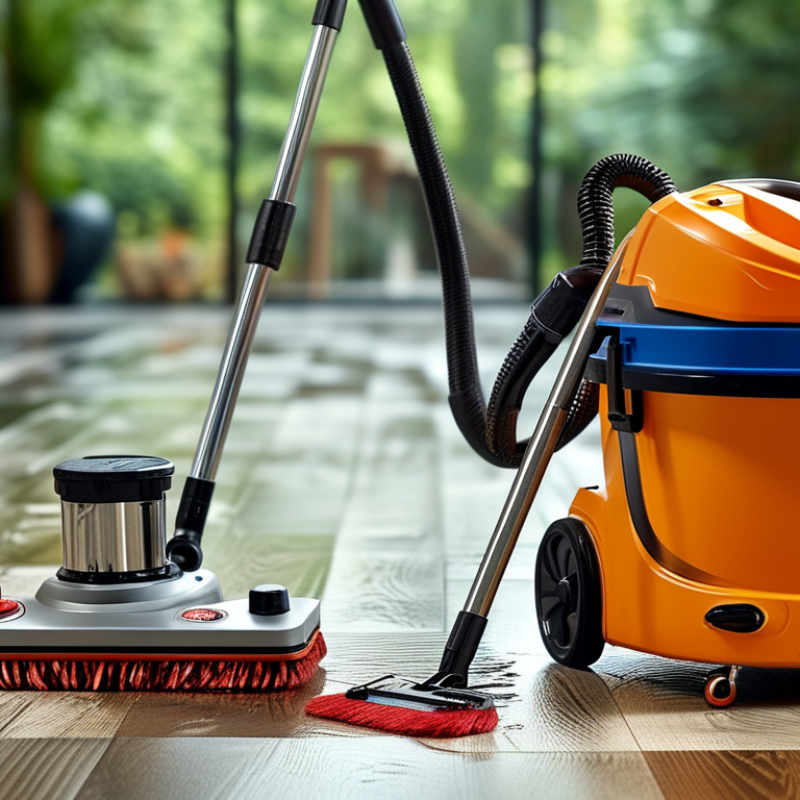
When selecting floor cleaning equipment, it’s crucial to understand the variety of options available. Different surfaces require specific tools. For instance, vacuums work well on carpets, while mops are ideal for hard floors. Choosing the right equipment can prevent damage and enhance cleaning efficiency.
Consider the scale of cleaning needed. A residential home might require a lightweight vacuum. On the other hand, a commercial space benefits from industrial scrubbers. These powerful machines can handle larger areas and more intense dirt. However, they might be too cumbersome for smaller spaces.
It’s essential to research and test equipment. User reviews can offer insight into performance and durability. However, every user's experience can differ based on individual needs and preferences. Often, finding the right fit involves trial and error. Some may overlook maintenance requirements, which can affect longevity. A good cleaning routine should always include proper care for your equipment. This ensures optimal performance over time.
Evaluating Your Floor Type for Optimal Cleaning Solutions
Choosing the right floor cleaning equipment starts with understanding your floor type. Different surfaces require unique care. For instance, hardwood floors can be sensitive to moisture and require gentle cleaning. A vacuum designed for hard floors can improve maintenance without damaging the finish.
Tile and vinyl floors are more forgiving. They can handle more robust cleaning tools. A steam cleaner may be beneficial for these surfaces, helping to eliminate grime without harsh chemicals. However, it’s essential to ensure that the steam does not warp the material over time. Always check the manufacturer's guidelines for safe cleaning procedures.
Consider carpets, which demand entirely different approaches. A vacuum with strong suction and rotating brushes can lift dirt effectively. Steam cleaning might also help to refresh carpets. However, improper use may lead to mildew issues, which are often overlooked. Understanding your floor's needs can prevent future problems and prolong its life.
Key Features to Consider in Floor Cleaning Equipment
When selecting floor cleaning equipment, it's essential to focus on specific features that align with your cleaning needs. Start by considering the type of floors you have. Hard surfaces, carpets, and tiles all require different approaches. For instance, a vacuum might be ideal for carpets, while a mop works well on hard floors. Look for adjustable settings that cater to various surfaces.
Another crucial factor is the equipment's ease of use. Heavy machines can be cumbersome. Lightweight options often provide better mobility and less fatigue. Additionally, check the cleaning power. Equipment with high suction or robust scrubbing capabilities can save time and effort. Battery life is important as well. Equipment that runs out of power too quickly can slow down your cleaning process.
Maintenance is often overlooked but vital. Some machines are easier to clean and maintain than others. Invest time in understanding how to keep them in good condition. This reflection can help avoid future headaches. Moreover, consider the size and storage. If space is limited, compact or foldable equipment may serve you better. Remember that the right choice depends on your specific circumstances and preferences.
Industry Standards: Efficiency Ratings and Certifications for Cleaners
When selecting floor cleaning equipment, understanding efficiency ratings and certifications is crucial. The Institute for Cleaning and Restoration Certification (ICRC) notes that equipment must demonstrate effective soil removal. A machine with a high efficiency rating can reduce cleaning times and optimize labor costs.
According to a recent report by the Cleaning Industry Research Institute (CIRI), equipment with certifications like the Green Seal or EPA’s Safer Choice label often uses less water and energy. These machines are designed to clean surfaces effectively while minimizing environmental impact. Research indicates that certified products not only help maintain cleanliness but also improve indoor air quality.
However, it’s important to recognize that not all cleaning solutions deliver consistent results. Variables like floor type and specific stains can impact effectiveness. Users should consider equipment that offers versatility. A vacuum cleaner suited for both carpet and hard flooring may perform better overall. The journey to effective cleaning doesn’t always align perfectly with expectations; testing and adjustments are often necessary.
Efficiency Ratings of Popular Floor Cleaning Equipment
This chart illustrates the efficiency ratings of various floor cleaning equipment based on industry standards. Ratings are scored from 1 to 10, indicating the equipment's effectiveness in cleaning tasks.
Cost-Benefit Analysis: Investing in Quality Floor Care Equipment
Investing in quality floor care equipment can yield substantial long-term benefits. According to a 2021 report by the Cleaning Industry Research Institute, effective floor maintenance can reduce overall cleaning costs by up to 30%. This statistic highlights the importance of selecting the right tools. While the initial investment may seem high, the return on investment becomes clear through reduced labor costs and extended floor life.
Many businesses overlook the hidden costs associated with poor cleaning practices. A recent survey showed that 40% of organizations experienced a decline in employee productivity due to unclean environments. Reliable floor cleaning equipment plays a crucial role in maintaining a clean and safe workplace. Yet, many entities hesitate to invest. They often prioritize short-term savings over long-term advantages.
Opting for high-quality equipment also enhances safety. A study found that clean floors can lower slip-and-fall accidents by 50%. This statistic emphasizes the necessity of proper floor care. However, organizations must regularly evaluate their cleaning processes to ensure they're maximizing efficiency. Neglecting to do so could lead to more significant expenses down the line. The balance between cost and quality remains an ongoing challenge in the industry.