Best Floor Cleaning Solutions for Businesses Worldwide?
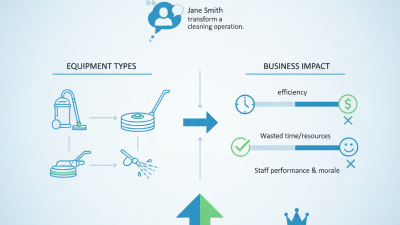
In today’s competitive business environment, maintaining cleanliness is crucial. Floor cleaning stands at the forefront of this need. According to industry expert John Smith, “A clean floor is the foundation of a successful business.” His words resonate with many companies striving for excellence.
Floor cleaning is not merely about aesthetics; it directly impacts employee health and productivity. Businesses across the globe face challenges in selecting the right cleaning solutions. With various products available, making informed choices can be daunting. It’s essential to understand the unique requirements of each facility.
Many companies overlook the long-term benefits of investing in quality floor cleaning solutions. While cost is a concern, the implications of neglecting clean floors can be severe. Dirty floors can lead to accidents and decreased morale. Reflecting on these aspects can guide businesses in making better decisions. Clean floors contribute to a positive image, improving customer perceptions and overall success.
Overview of Essential Floor Cleaning Solutions for Businesses
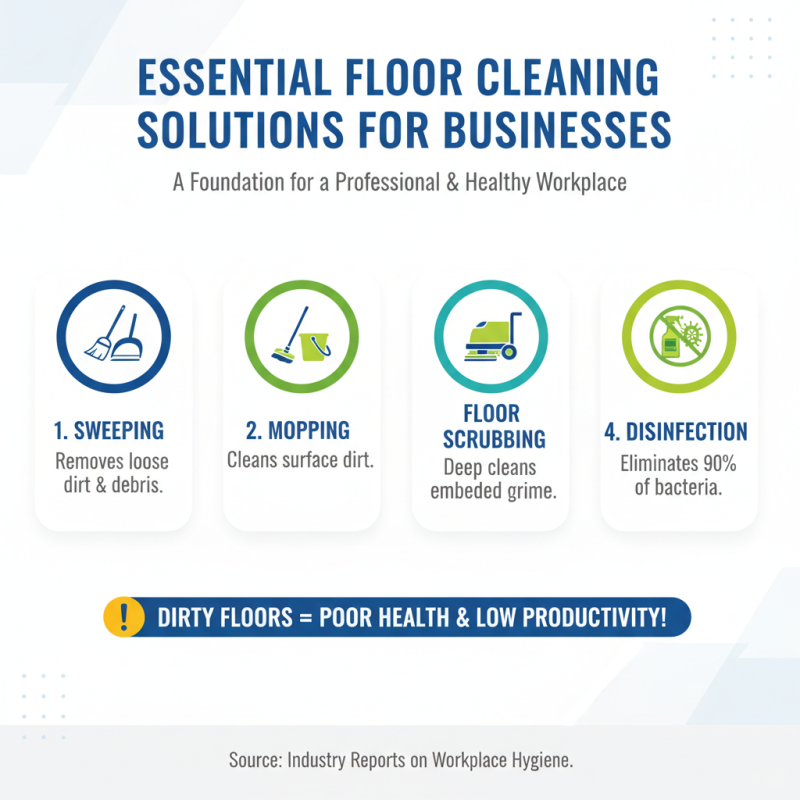
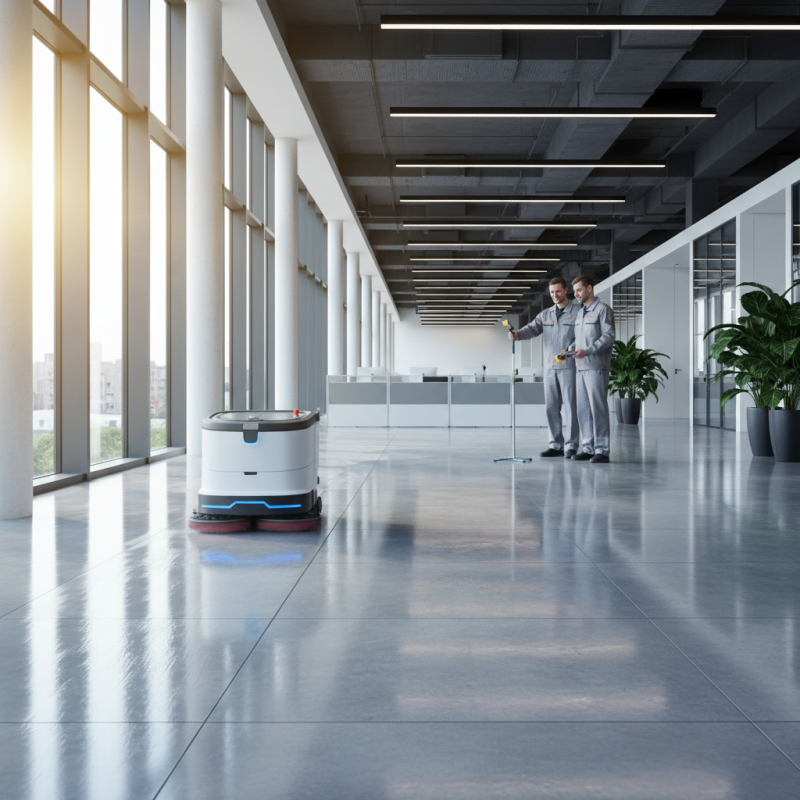
Floor cleanliness is vital for businesses aiming to maintain a professional environment. Reports suggest that 90% of workplace bacteria can be found on floors. A dirty floor can lead to poor employee health and decreased productivity. Regular cleaning solutions must include not just sweeping and mopping, but also floor scrubbing and disinfection.
Many sectors, including retail and healthcare, face unique challenges. For instance, hospitals require stringent cleaning protocols to reduce infection risks. A 2022 study revealed that hospitals that implemented thorough floor cleaning reduced Infection Control rates by 30%. Moreover, cleaning frequency has a direct impact on customer perception. A 2023 survey noted that 70% of customers would avoid a business due to dirty floors.
The shift toward eco-friendly cleaning solutions is also noteworthy. Many companies are adopting sustainable practices, utilizing biodegradable cleaners. This not only meets regulatory requirements but also enhances brand reputation. However, challenges still exist. Some businesses struggle to balance cost and effectiveness. Continuous evaluation of floor cleaning methods is essential for ensuring both cleanliness and sustainability in operations.
Types of Flooring and Their Unique Cleaning Needs
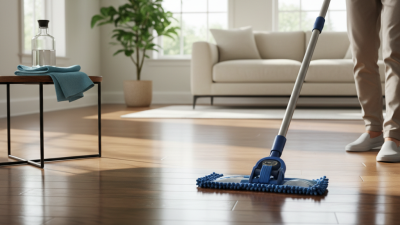
When it comes to flooring, different materials require unique cleaning approaches. For instance, hardwood floors can be sensitive to excessive moisture. According to industry reports, using too much water can lead to warping. Employing dry cleaning methods is often more effective for maintenance. The National Floor Safety Institute highlights that regular sweeping and a damp mop can prolong the life of hardwood.
Tile and vinyl flooring are more durable but still require specific attention. Weak acids in some cleaners may damage the grout in tile floors. A study from the Institute of Inspection, Cleaning, and Restoration Certification suggests using pH-neutral cleaning solutions. For vinyl, ensuring the right temperature during cleaning can prevent damage and discoloration.
Carpets need deeper, periodic cleaning to remove trapped dirt. Hot water extraction is a popular method for this. However, over-wetting can lead to mold issues, as noted by the Carpet and Rug Institute. Understanding these specifics is crucial. Failure to follow proper cleaning protocols may result in costly repairs and replacements. Different flooring types have distinct needs; businesses must adapt their cleaning solutions accordingly.
Effective Floor Cleaning Techniques for Commercial Spaces
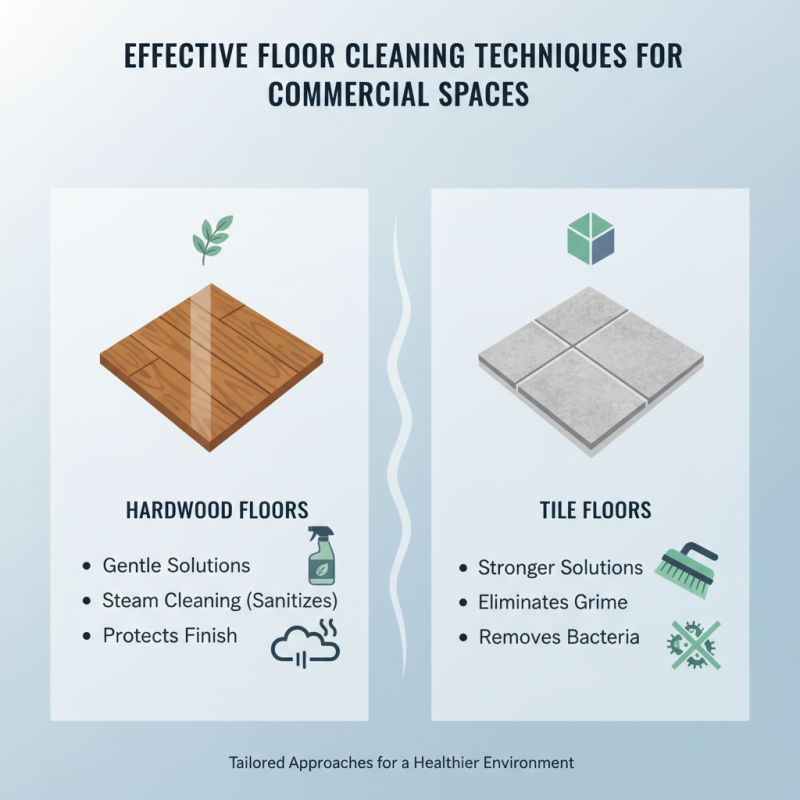
Effective floor cleaning techniques are vital for commercial spaces. Different types of floors require tailored approaches. For instance, hardwood floors benefit from gentle cleaning solutions. Using steam cleaners can effectively sanitize without damaging the finish. On the other hand, tile floors often need stronger solutions to eliminate grime and bacteria.
Daily maintenance is crucial but can sometimes be overlooked. Regular sweeping and mopping can prevent dirt buildup. However, deep cleaning should occur at least monthly. This ensures that floors remain in optimal condition. In some high-traffic areas, hiring professionals may be necessary. They can provide the expertise required for deep cleaning heavy-duty surfaces.
Training staff on proper cleaning techniques is important. They should understand their unique floor materials. Improper cleaning methods can lead to costly repairs. A small mistake, like using the wrong cleaner, can cause irreversible damage. Hence, creating a simple cleaning guideline is essential for all employees. With the right approach, businesses can maintain a clean and healthy environment for both employees and customers.
Sustainable and Eco-Friendly Floor Cleaning Products
As businesses increasingly prioritize sustainability, eco-friendly floor cleaning solutions are gaining traction. These products not only reduce environmental impact but also promote healthier indoor environments. According to the Global Green Cleaning Products Market Report, the demand for green cleaning products is projected to grow at a compound annual growth rate of 11% through 2025. This surge signifies a shift towards products that are both effective and environmentally responsible.
Utilizing biodegradable materials, many eco-friendly cleaners effectively combat dirt without harmful chemicals. They often include plant-based ingredients that are safer for users and the environment. Reports indicate that traditional cleaning agents can lead to indoor air pollution, which poses health risks. In contrast, sustainable products have been shown to improve air quality, promoting a healthier workplace. It's essential, however, to be cautious and ensure these products are still efficient enough to meet business cleaning standards.
Yet, challenges remain. Some businesses question the cleaning efficacy of eco-friendly options. Testing different products and understanding their impacts are vital for businesses on this journey. Employees may also need training about the correct usage of these products. Ultimately, the move to sustainable solutions is a journey that requires ongoing reflection and adaptation in cleaning practices.
Best Floor Cleaning Solutions for Businesses Worldwide
| Product Type |
Eco-Friendliness Rating |
Surface Compatibility |
Usage Frequency |
pH Level |
| Multi-Surface Cleaner |
A+ |
Wood, Tile, Vinyl |
Daily |
7.0 |
| Carpet Shampoo |
A |
Carpets, Rugs |
Monthly |
9.0 |
| Wood Floor Cleaner |
A+ |
Wood |
Weekly |
6.5 |
| Tile Cleaner |
B |
Ceramic, Porcelain |
Bi-Weekly |
7.5 |
| Natural Degreaser |
A++ |
All Hard Surfaces |
As Needed |
8.0 |
Best Practices for Maintaining Clean Floors in Businesses
Maintaining clean floors is crucial for any business. Research shows that customers notice cleanliness. A report from the International Journal of Hospitality Management states that 80% of guests associate cleanliness with overall service quality. Investing in floor cleaning solutions can enhance a business's reputation.
Regular cleaning practices are essential. Businesses should implement daily cleaning schedules. This way, dirt and grime don’t build up. Simple tasks, like sweeping or mopping, can significantly impact appearance. However, many businesses overlook high-traffic areas, leading to wear and damage. A study by the American Society for Testing and Materials indicates that neglecting these spots can increase flooring replacement costs by 50%.
Proper training of cleaning staff is necessary. Employees should understand different floor types and suitable cleaning methods. Investing in training can reduce errors. This reflects professionalism and commitment to cleanliness. However, some businesses fail to prioritize this aspect, resulting in inconsistencies. Consistent cleaning can make a difference, yet many hesitate to adapt their practices.