Best Pressure Cleaning Techniques for Homeowners?
Pressure cleaning is an essential skill for homeowners. This technique can rejuvenate surfaces around your property. With the right approach, your home will look fresh and inviting.
Many people underestimate the benefits of pressure cleaning. It's not just about aesthetics; it's also about maintenance. Mold, dirt, and grime can damage surfaces over time. Using the right pressure cleaning methods can extend the life of your property.
However, pressure cleaning requires care and precision. Too much force can damage surfaces, leading to costly repairs. There is a learning curve, and not everyone masters it immediately. Experimenting with pressure levels and cleaning solutions can lead to mistakes. Embrace this journey to achieve the best results for your home.
Understanding the Basics of Pressure Cleaning for Homeowners
Pressure cleaning can feel overwhelming for homeowners. Understanding the basics is essential before diving in. Start with the right equipment. A pressure washer typically has various settings. Each setting is suitable for different surfaces. Knowing how to adjust the pressure is key. Too much pressure can damage delicate surfaces like wood or paint.
Water temperature also matters. Hot water can break down grime more effectively. However, not all surfaces can handle heat. Testing a small area is a smart move. Often, the cleaning solution you use can enhance effectiveness. But be cautious; some solutions can stain or harm plants. Rinsing with plain water after applying soap is advisable to avoid residue.
Technique is crucial in achieving satisfactory results. Maintain a steady distance from surfaces while cleaning. Moving the nozzle too close can lead to unintentional scrapes. Avoiding long, sweeping movements can lead to uneven cleaning. Taking breaks to reassess your progress is valuable. After all, perfection in cleaning is hard to achieve. Remember, each cleaning job may reveal something new—it's a learning process.
Best Pressure Cleaning Techniques for Homeowners
Selecting the Right Pressure Washer for Your Cleaning Needs
When selecting the right pressure washer for your cleaning needs, consider crucial factors. The power of the machine is paramount. Pressure washers typically range from 1,300 to 4,000 PSI (pounds per square inch). A unit with around 2,000 PSI is often sufficient for residential tasks. This power level is ideal for cleaning driveways and patios effectively. However, higher PSI is beneficial for tougher surfaces.
Another aspect to think about is water flow rate, measured in GPM (gallons per minute). A machine with a higher GPM will clean faster. For instance, a flow rate of 2.5 GPM is a good benchmark for general household cleaning. But too much pressure or flow can damage delicate surfaces. Some studies indicate that 30% of homeowners face issues with excessive cleaning force, causing more harm than good.
Additionally, evaluate the type of cleaning agent required. Not all pressure washers support detergents, and it's essential to understand which options best fit your needs. Some tasks may require a specific cleaner for optimal results. A study found that 25% of users did not achieve desired outcomes due to improper detergent use. Researching compatibility can prevent this pitfall and enhance cleaning efficiency.
Effective Techniques for Different Surfaces: Driveways to Decks
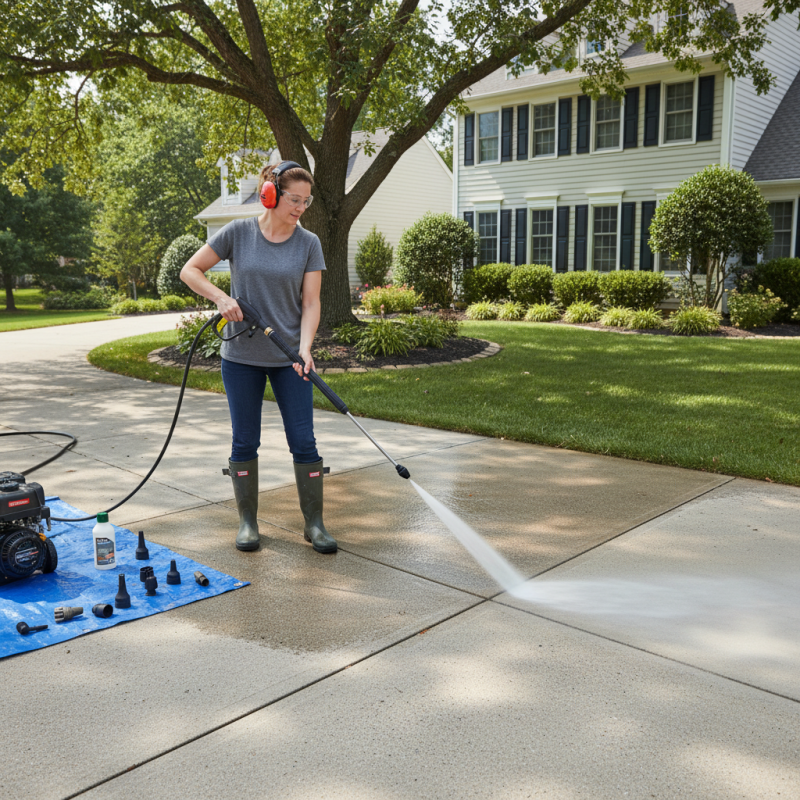
When maintaining the exterior of your home, utilizing effective pressure cleaning techniques is paramount. Different surfaces require tailored approaches for optimal results. For instance, driveways often accumulate oil stains and grime. A pressure rating of 3000 PSI works effectively for this surface, along with a detergent to tackle stubborn spots.
For decks, gentler pressure settings around 1500 to 2000 PSI are ideal to prevent damage. Always use a fan spray nozzle to ensure even cleaning. Applying a wood cleaner before pressure washing can enhance the results. Homeowners should aim for two washes a year, as 60% of homeowners overlook this crucial maintenance step.
Tip: Avoid over-soaking wooden decks. Excess water can lead to rot, exacerbating future issues.
Concrete sidewalks also benefit from pressure washing. Choose a 2500 PSI rating, combined with a surface cleaner attachment. This ensures consistent results and prevents streaking. Beware of surface etching; too high of a pressure can harm the concrete. A balanced approach, therefore, is vital for longevity.
Tip: Use cold water for cleaning. It’s effective while being eco-friendlier than hot water options.
Proper technique and regular upkeep can dramatically improve your home’s appearance. Each surface presents unique challenges that require attention and care.
Maintaining Your Pressure Washer for Optimal Performance
Maintaining your pressure washer is key to its performance. Regular checks can prevent issues and extend its life. A well-maintained unit works efficiently and cleans better.
**Tip:** Always clean the filter after use. Clogs can reduce pressure and affect water flow. Ensure you inspect the hose for any damages or leaks before starting. A worn hose can lead to loss of pressure and messy results.
Fuel and oil need periodic changes. Old oil can cause engine problems. Check your owner’s manual for specific intervals. Don’t forget to store your machine properly. A cold, damp environment may lead to rust or corrode components.
**Tip:** Use pump saver or antifreeze when storing in cold weather. This protects the pump from freezing damage. Taking the time for these steps may seem tedious, but it's crucial for optimal performance. Neglecting routine tasks can result in costly repairs or replacements.
Best Pressure Cleaning Techniques for Homeowners - Maintaining Your Pressure Washer for Optimal Performance
| Technique |
Surface Type |
Recommended Pressure (psi) |
Nozzle Type |
| Deck Cleaning |
Wood |
1200 - 1500 |
25-degree |
| Driveway Cleaning |
Concrete |
3000 - 3500 |
15-degree |
| Vinyl Siding Cleaning |
Vinyl |
1500 - 2000 |
25-degree |
| Car Washing |
Automobile |
1200 - 1900 |
40-degree |
| Roof Cleaning |
Shingles |
1200 - 1500 |
Soap nozzle |