2026 Best Soft Wash Cleaning Techniques for Your Business?
In the ever-evolving world of cleaning services, soft wash cleaning stands out as a pivotal technique for businesses aiming for excellence. Experts in the field, like Jamie Baxter, a recognized authority on soft washing, state, "The right approach can revolutionize how we perceive cleanliness." This statement underscores the transformative power of soft wash cleaning in maintaining surfaces without harsh detergents or damaging high pressure.
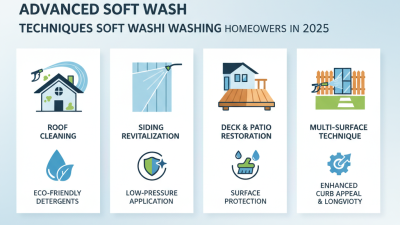
Soft wash cleaning employs low-pressure systems to safely clean delicate surfaces. This method is especially useful for roofs, siding, and painted surfaces. By using a biodegradable solution, the process effectively eliminates dirt, mold, and algae, ensuring a longer-lasting clean. Clients are increasingly aware of environmental impacts. They prefer eco-friendly methods like soft wash cleaning over traditional pressure washing.
However, many businesses still overlook this effective cleaning method. There’s a lack of understanding regarding its benefits and proper techniques. As the industry progresses, addressing these misconceptions becomes critical. Investing in soft wash cleaning training can bolster company reputations. Overall, staying updated on the best soft wash cleaning techniques is essential for success in this competitive landscape.
Understanding Soft Wash Cleaning: Basics and Benefits
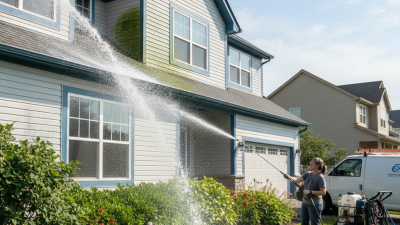
Soft wash cleaning is a gentle and effective method used in the cleaning industry. It employs low-pressure water combined with specialized biodegradable detergents. This technique ensures that delicate surfaces, such as roofs and sidings, are cleaned without damage. Unlike high-pressure washing, which can cause harm, soft washing is safe and efficient.
Understanding the benefits of soft wash cleaning is crucial for any business owner. It not only extends the life of your surfaces but also enhances curb appeal. A clean exterior attracts customers and creates a positive impression. Moreover, soft washing prevents the growth of mold and mildew, which can deteriorate materials over time. Businesses have reported increased customer satisfaction after soft washing their premises.
However, it is important to note that not all soft wash procedures are the same. Some operators may lack the necessary experience or choose ineffective cleaning solutions. Researching the right techniques and providers is essential before engaging in service. Striving for effectiveness in soft wash cleaning can lead to long-term benefits and improved results.
Essential Equipment for Effective Soft Wash Cleaning Techniques
Soft wash cleaning is an effective method for maintaining various surfaces. To achieve the best results, having the right equipment is essential. Invest in a high-quality soft wash system. This typically includes a pressure washer with adjustable settings. Look for units that allow for both low and high-pressure outputs. The right nozzle size also matters. It ensures an even application of cleaning solutions, preventing damage to surfaces.
Chemical application is another critical aspect. A safe, biodegradable detergent makes a difference. It helps in breaking down grime and algae without harming the environment. A specialized chemical injector can enhance your system’s effectiveness. This tool allows for precise mixing and application. Always follow safety protocols when handling chemicals. Your safety and the safety of others should be your priority.
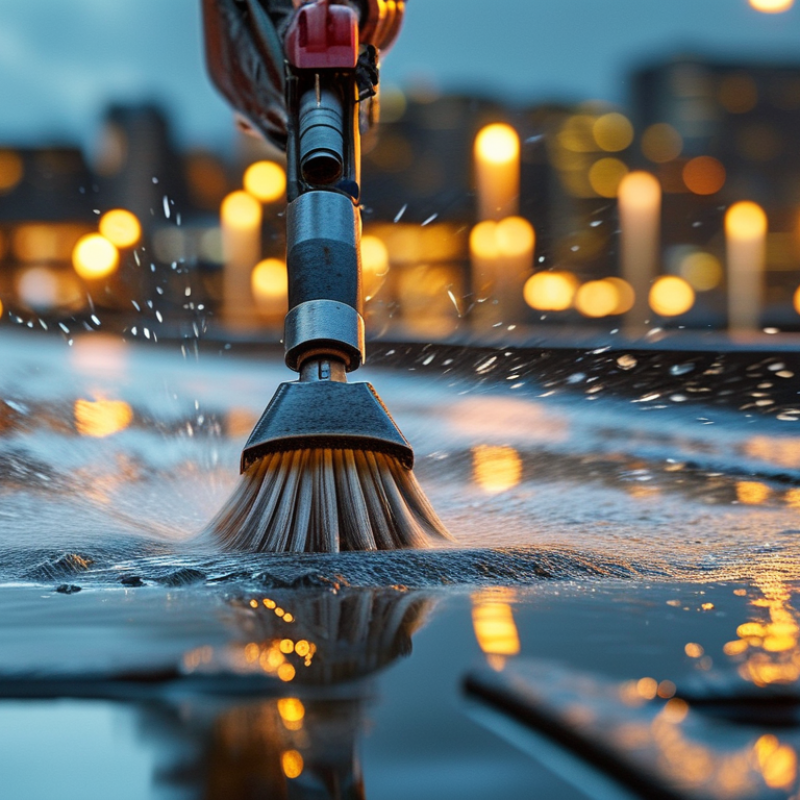
Consider using a surface cleaner attachment. This tool can significantly reduce cleaning time on large areas. It provides even coverage and minimizes the risk of streaks. Regular maintenance of your soft wash equipment is vital. Inspect hoses and connections for wear and tear. Remember, a well-maintained system extends the life of your equipment and improves performance.
Step-by-Step Guide to Soft Washing Different Surfaces
Soft washing is a gentle cleaning method ideal for various surfaces. The technique uses low-pressure water combined with specialized cleaning solutions. This approach is effective for removing dirt, mold, and mildew without damaging surfaces. Follow these steps for successful soft washing.
Start with the right equipment. A soft wash system should include a garden hose and a pressure washer with a low-pressure nozzle. Prepare your cleaning solution, typically a mix of water, bleach, and detergent. Always wear protective gear, such as gloves and goggles, to ensure safety.
When soft washing a surface, begin from the top. Apply the solution evenly and allow it to sit for a few minutes. This time lets the cleaner penetrate the grime. Rinse off the solution with water, working from top to bottom. Pay extra attention to corners and crevices. Be mindful of oversaturation, which can lead to streaking or water spots. Each surface reacts differently, so adjust your technique based on prior results. Always reflect on your process to improve outcomes in future jobs.
2026 Best Soft Wash Cleaning Techniques for Your Business
| Surface Type |
Recommended Solution |
Technique |
Equipment |
Drying Time |
| Vinyl Siding |
Gentle Detergent and Water |
Low-Pressure Wash |
Soft Wash System |
1-2 hours |
| Roof Shingles |
Specialized Roof Cleaner |
Chemical Application |
Pump Sprayer |
2-4 hours |
| Concrete Driveway |
Bleach and Water Mixture |
Surface Cleaning |
Pressure Washer |
1 hour |
| Wood Deck |
Biodegradable Cleaner |
Soft Wash with Low Pressure |
Soft Wash Injector |
2 hours |
| Brick Walls |
Acidic Cleaner |
Low Pressure Application |
Chemical Sprayer |
1-3 hours |
Common Mistakes to Avoid in Soft Wash Cleaning Operations
Soft wash cleaning can greatly enhance the appearance of homes and businesses. However, it's crucial to avoid common pitfalls in this process. One major mistake is using the wrong cleaning solution. Many operators choose a mixture too strong for the surface being cleaned. This can lead to damage, including fading or stripping away paint. It's important to test solutions on a small area before proceeding.
Equipment misuse is another frequent error. Operators often overlook the importance of using the right pressure settings. High pressure can harm delicate surfaces. Adjusting pressure accordingly is key. Additionally, neglecting to adequately rinse surfaces afterward can leave residues, attracting more dirt. This not only diminishes the shine but also creates an ongoing maintenance issue.
Finally, rushing the cleaning process can compromise results. Taking extra time to inspect areas ensures thorough cleaning. It's easy to overlook corners or hard-to-reach spots, but these often harbor dirt. Reviewing one's workflow and making adjustments can greatly improve efficiency and effectiveness. Being mindful of these mistakes is essential for maintaining a successful soft wash cleaning operation.
Tips for Marketing Your Soft Wash Cleaning Services Effectively
Marketing soft wash cleaning services effectively requires a strategic approach. Highlighting your expertise in soft washing is crucial. Create visually appealing content that showcases before-and-after photos of your work. This will help potential clients visualize the transformation you can achieve. A well-crafted website serves as the core of your online presence, ensuring it is mobile-friendly and easy to navigate.
Engage with your audience on social media. Share informative posts about the benefits of soft washing. Consider running promotions or referral programs to encourage repeat business. Offer free estimates to attract new clients. However, be aware that not every marketing effort will yield immediate results. Some strategies may take time to show effectiveness.
Customer testimonials play a significant role in establishing credibility. Encourage satisfied clients to leave reviews online. Utilize these endorsements in your marketing materials. Continuous learning about the latest soft washing techniques will enhance your knowledge and boost your reliability in the industry. Reflect on what works well and what doesn't. Adapt your strategies based on feedback and results to stay competitive.