2026 How to Choose the Best Piston Filler for Your Needs?
Choosing the right Piston Filler for your operation is crucial. The perfect piston filler can transform production efficiency and product quality. With many options available, it's essential to assess your unique needs.
The ideal piston filler should accommodate the specific viscosity of your product. Do you handle thick pastes or thin liquids? Each requires different specifications. Some fillers are better for small batches, while others suit larger volumes.
Consider the features that matter most to you. Look for reliability, ease of maintenance, and user-friendly operation. Not all fillers are created equal. Some might not meet industry standards. Take time to evaluate various brands and models. User experiences can provide valuable insights. Piston fillers can significantly impact productivity, so choose wisely.
Understanding Piston Fillers: A Comprehensive Overview
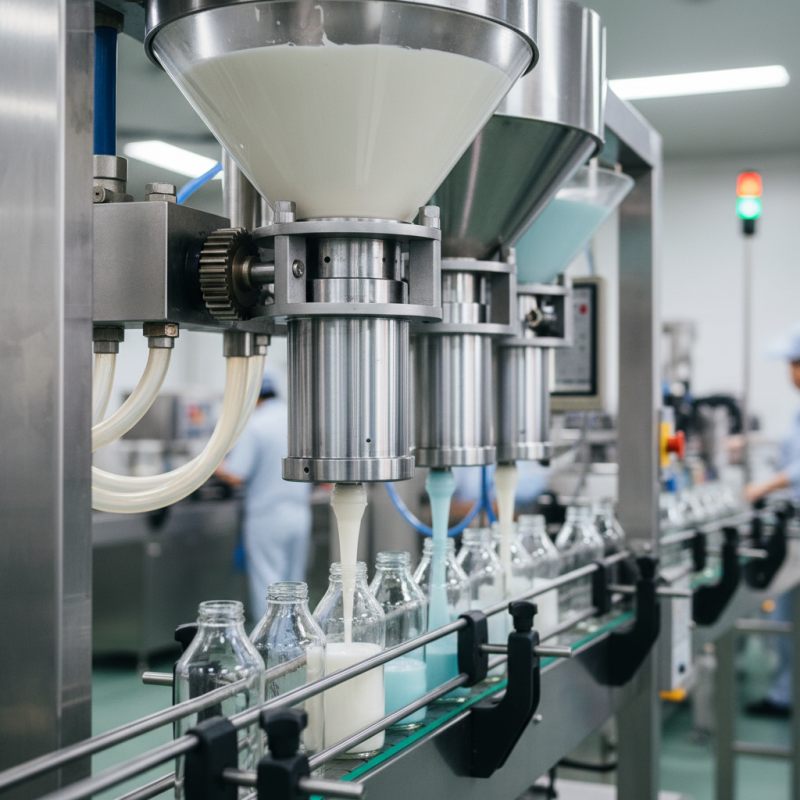
Piston fillers are essential in many industries for accurate dispensing of liquids. Understanding how they work will help you choose the right one for your needs. These machines utilize a piston mechanism to draw liquid into a chamber and then expel it into a container. This process ensures precision, making it ideal for both thin and thick liquids.
When selecting a piston filler, consider your product's viscosity. Thicker liquids may require more powerful fillers. Pay attention to the materials used in construction. Stainless steel is often preferred for its durability and ease of cleaning. It's crucial to evaluate the filler’s capacity to avoid downtime during production.
Tips: Always check for user reviews to gauge reliability. Testing the machine with your specific liquid can reveal unforeseen issues. Consider speaking with industry professionals; their insights can shape your decision significantly. Analyzing your production speed needs will also guide you in making an informed choice.
Evaluating Your Filling Needs: Key Considerations for Selection
Choosing the right piston filler requires careful evaluation of specific needs. Understanding the liquid type is crucial. For instance, thicker liquids may need a filler with adjustable parameters. According to industry reports, around 45% of businesses struggle with selecting suitable equipment due to these complexities.
Another key consideration is the production scale. Companies often face a gap between their filling demands and existing capabilities. A survey reveals that 30% of manufacturers experience production delays linked to improper equipment choices. This highlights the importance of scalability. Shifting from small batches to larger fills can stress inadequately designed systems.
Assessing compatibility with existing machinery is also vital. Integrating a new piston filler should not disrupt the overall workflow. This approach can save costs in the long run. However, data shows that around 25% of facilities underestimate these integration challenges. It's essential to analyze both current production processes and future growth projections before committing to a specific model.
2026 How to Choose the Best Piston Filler for Your Needs? - Evaluating Your Filling Needs: Key Considerations for Selection
| Filling Volume | Piston Diameter | Filling Speed | Viscosity Range | Material Compatibility | Price Range |
| 50 - 200 mL | 30 mm | 10 - 20 bottles/min | 1000 - 5000 cP | Glass, Plastic | $2000 - $3000 |
| 200 - 500 mL | 40 mm | 15 - 25 bottles/min | 500 - 3000 cP | Plastic, Metal | $3500 - $4500 |
| 500 - 1000 mL | 50 mm | 20 - 30 bottles/min | 100 - 2000 cP | Glass, Metal | $5000 - $7000 |
| 1 - 5 Liters | 80 mm | 10 - 15 bottles/min | 50 - 1000 cP | Plastic, Metal | $8000 - $10000 |
Comparing Different Types of Piston Fillers: Pros and Cons
When selecting a piston filler, understanding the different types is vital. Each type has unique advantages and drawbacks. For instance, volumetric piston fillers provide accuracy. They are suitable for liquids with varying viscosities. According to industry reports, volumetric fillers can reach an accuracy rate of 99.5%. In contrast, pressure fillers excel at handling thicker products. However, they may struggle with low-viscosity liquids. This inherent limitation can impact production efficiency.
Rotary piston fillers offer high efficiency for large-scale production. They can fill multiple containers simultaneously, saving time. However, their initial setup cost is higher. For smaller operations, a manual piston filler may suffice. Though slower, it provides flexibility and lower upfront costs. Industry analysis shows that manual fillers are gaining popularity among startups due to lower investment.
Tip: Always assess production volume and product type before deciding. It’s crucial to match the filler’s capabilities with your needs. Understand your product viscosity and container size. This knowledge ensures the right choice. Re-evaluate specifications regularly; a filler that suits your needs today may not fit future demands.
2026 Piston Filler Comparison
This chart compares four different types of piston fillers based on their pros and cons rating. Each type is rated from 1 to 10, providing insight into their efficiency and usability for various applications.
Factors Influencing the Efficiency of Piston Fillers
When selecting a piston filler, the efficiency is key. Several factors influence how well a piston filler performs. One major factor is the viscosity of the liquid you intend to fill. Thicker liquids require more power and can slow down the filling process. Testing your specific product under various conditions will give you insight into efficiency.
Another important factor is the design of the piston filler itself. A poorly designed filler can lead to inconsistent fill volumes or excessive waste. Consider the materials used in construction too. Stainless steel components can offer better durability and hygiene, essential for food and pharmaceutical products.
Additionally, the filling speed can vary based on the piston size. Larger pistons can fill a greater volume more quickly, but they may also introduce more air into the product. This can be a concern for sensitive formulations. Reflecting on these variables can help you identify your unique requirements and avoid mistakes in choosing the right equipment.
Maintenance and Support: Ensuring Longevity of Your Equipment
Maintaining a piston filler is crucial for its longevity and efficiency. Regular maintenance helps in identifying issues before they escalate. Simple tasks like cleaning, tightening loose components, and checking seals can extend a machine's life. A poorly maintained filler can lead to inconsistent fill volumes and product waste. Over time, this not only affects profits but also customer satisfaction.
Support is another vital aspect. A reliable manufacturer often provides resources such as manuals and troubleshooting guides. Training staff on how to operate and maintain the equipment can prevent misuse. Sometimes, even experienced operators overlook minor issues. Routine audits can help catch these oversights. Good support ensures that your team knows how to address problems quickly, reducing downtime.
Keeping records of maintenance activities is helpful too. It creates a timeline of the equipment's performance and issues. If a consistent problem arises, it provides insights for future troubleshooting. Learning from these records can inform better operational approaches, enhancing overall productivity. Balancing effective maintenance with a solid support system will lead to sustained performance.