How to Choose the Best Pressure Cleaning Equipment for Your Home and Business
In the ever-evolving landscape of cleaning solutions, the choice of pressure cleaning equipment stands out as a critical decision for both homeowners and business operators. According to a recent report from the International Cleaning Association (ICA), the demand for high-efficiency cleaning technologies, including pressure cleaning systems, is projected to grow by 15% annually. This trend underscores the importance of equipping oneself with the right tools to ensure optimal performance and cleanliness in various environments.
Expert in the field, Dr. Jonathan Phillips, a noted pressure cleaning equipment specialist, emphasizes the significance of selecting appropriate equipment, stating, "The right pressure cleaning equipment not only enhances cleaning efficiency but also prolongs the lifespan of surfaces." Such insights highlight the multifaceted benefits of high-quality pressure cleaning systems. As we delve into the nuances of pressure cleaning equipment, it becomes crucial to consider factors such as pressure levels, nozzle types, and mobility in order to make an informed investment that aligns with specific cleaning needs.
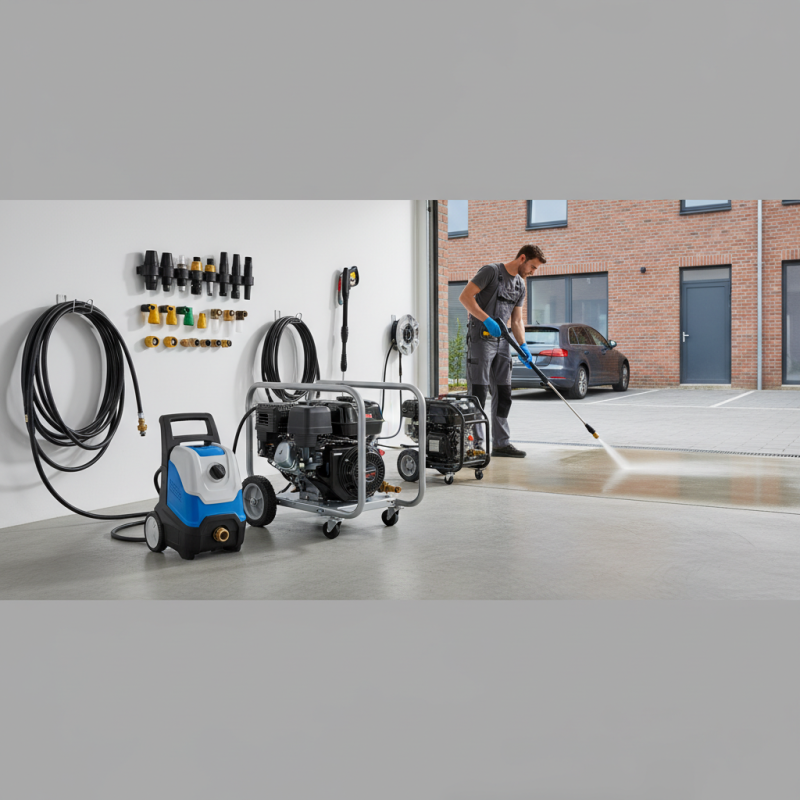
Understanding Your Pressure Cleaning Needs for Home and Business
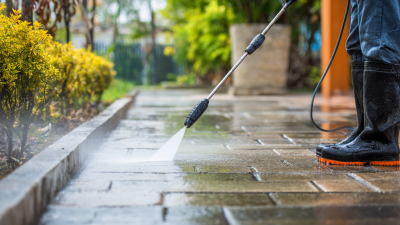
When it comes to choosing pressure cleaning equipment for your home and business, understanding your specific cleaning needs is crucial. Different surfaces and cleaning tasks require different pressure levels and equipment types. For instance, if you're primarily cleaning outdoor patios, a moderate pressure washer may suffice. However, for tougher jobs like stripping paint or cleaning heavily soiled commercial spaces, a more powerful machine will be necessary. Consider the materials of the surfaces you’ll be cleaning; softer surfaces like wood may require lower pressure to avoid damage.
**Tip:** Before making a purchase, assess the surfaces you plan to clean. Create a checklist of tasks, such as cleaning driveways, decks, or vehicles. This evaluation will help you determine the right pressure level and equipment type tailored to your cleaning needs.
Additionally, think about the frequency of use. For occasional home maintenance tasks, a smaller, consumer-grade model can be adequate. However, if you're in a business that demands regular, heavy-duty cleaning, investing in professional-grade equipment can save time and provide better results.
**Tip:** Consider purchasing a model with adjustable pressure settings. This versatility ensures you can effectively handle various tasks without risking damage to delicate surfaces.
How to Choose the Best Pressure Cleaning Equipment for Your Home and Business
| Equipment Type |
Pressure Rating (PSI) |
Flow Rate (GPM) |
Best For |
Price Range ($) |
| Electric Pressure Washer |
1300 - 2000 |
1.2 - 1.6 |
Residential cleaning, vehicles |
100 - 300 |
| Gas Pressure Washer |
2500 - 4000 |
2.0 - 4.0 |
Heavy-duty cleanings, commercial use |
300 - 800 |
| Hot Water Pressure Washer |
1500 - 3000 |
3.0 - 5.0 |
Oil and grease removal, industrial use |
1000 - 3000 |
| Commercial Pressure Washer |
2500 - 5000 |
3.0 - 6.0 |
Professional cleaning, fleet vehicles |
700 - 2000 |
| Portable Pressure Washer |
1300 - 1600 |
1.5 - 2.0 |
Quick cleanings, small areas |
50 - 150 |
Types of Pressure Cleaning Equipment and Their Uses
When choosing the best pressure cleaning equipment for your home and business, understanding the various types available and their specific uses is crucial. Pressure washers can be broadly categorized into electric and gas models, each offering unique advantages.
Electric pressure washers are typically lighter, quieter, and easier to maintain, making them ideal for small-scale jobs like cleaning patios, decks, and vehicles. According to industry reports, the demand for electric pressure washers has surged by approximately 25% over the past five years, attributed to their user-friendly designs and efficiency for residential cleaning tasks.
On the other hand, gas-powered pressure washers deliver higher pressure and are better suited for heavy-duty tasks, such as cleaning large surfaces like driveways, sidewalks, and even commercial properties.
The American Cleaning Institute notes that gas pressure washers can produce pressures up to 4000 PSI, making them invaluable for removing tough stains and grime. Furthermore, advancements in technology have led to the development of cold and hot water pressure washers, serving different cleaning requirements. Cold water systems are ideal for general cleaning, while hot water systems are more effective for tackling grease and oil-based stains, showing a significant increase in preference among commercial users in the last few years.
Key Features to Look for When Selecting Pressure Cleaners
When selecting pressure cleaning equipment for home or business use, several key features play a crucial role in ensuring you make the best choice. First, consider the pressure output measured in PSI (pounds per square inch). A higher PSI means a more powerful clean, making it ideal for tough stains or grime. For residential cleaning, a machine with 1300-2000 PSI is usually sufficient, while commercial needs might require 3000 PSI or more.
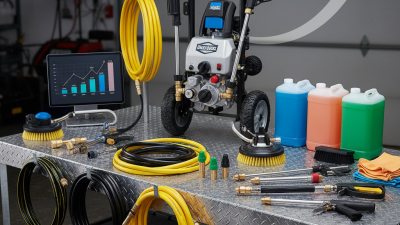
Another essential feature to look for is the GPM (gallons per minute), which determines the water flow rate. A higher GPM allows you to cover a larger area quickly, making your cleaning job more efficient. Additionally, versatility is important; opt for models that come with interchangeable nozzles or attachments, enabling you to tackle a variety of surfaces, from delicate wood decks to sturdy concrete driveways.
Tip: Always assess the machine's ease of mobility and storage. Lightweight designs with portable carts can save time and effort, while compact units can fit into tight spaces.
When exploring electric vs. gas-powered options, consider your cleaning frequency and location. Electric models are quieter and require less maintenance, making them ideal for residential use. On the other hand, gas-powered machines typically offer more power and are suitable for heavy-duty tasks.
Tip: Don’t forget to check for safety features such as automatic shutoff and thermal relief valves. These can protect both you and the equipment during high-intensity cleaning sessions.
Comparing Electric vs. Gas-Powered Pressure Washers
When it comes to pressure cleaning, choosing between electric and gas-powered pressure washers largely depends on your specific needs and preferences. Electric pressure washers are often favored for their convenience and ease of use. They are typically lighter, quieter, and require minimal maintenance. This makes them an excellent choice for residential cleaning tasks, such as washing cars, decks, and patios. Additionally, they are more environmentally friendly as they don’t emit harmful exhaust gases, making them suitable for use in enclosed spaces.
On the other hand, gas-powered pressure washers are known for their power and high-pressure capabilities. They are ideal for more demanding tasks, such as cleaning large surfaces or heavy-duty projects, including driveways and industrial equipment. While they tend to be heavier and noisier, they offer the advantage of greater mobility since they do not require a power outlet. For those who need a reliable machine for frequent use or larger jobs, a gas-powered model might provide the performance needed to tackle tough cleaning challenges effectively.
Budget Considerations for Purchasing Pressure Cleaning Equipment
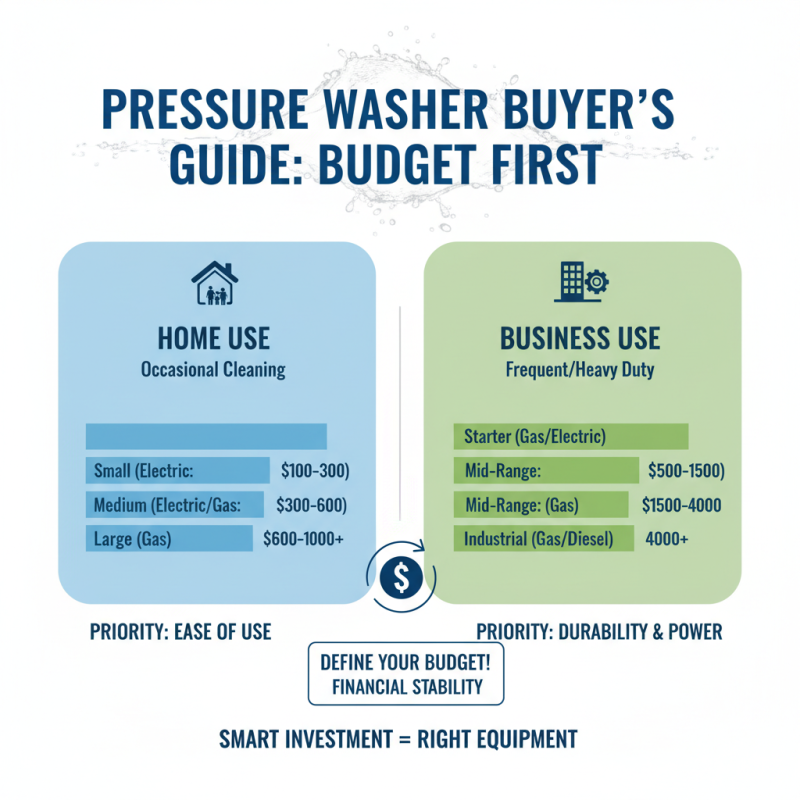
When considering the purchase of pressure cleaning equipment for both home and business use, budget plays a pivotal role in the decision-making process. Before diving into the specifics of models and features, it's crucial to determine how much you are willing to invest. A well-defined budget helps narrow down options and ensures you select equipment that meets your needs without compromising financial stability.
In assessing your budget, consider not only the initial cost of the pressure cleaning equipment but also the potential ongoing operational costs. These can include electricity or fuel for operation, maintenance expenses, and the purchase of cleaning solutions. Additionally, taking into account the expected durability and efficiency of the equipment can save money in the long run. Investing a bit more upfront in a quality product may yield better performance and longevity, ultimately making it a more economical choice. Balancing these factors will help you make an informed decision that aligns with both your financial constraints and cleaning requirements.