How to Choose the Best Bench Top Milling Machine for Your Needs?
Choosing the right Bench Top Milling Machine can be daunting. In recent years, the demand for compact and versatile milling machines has surged. According to industry reports, the global CNC milling machine market is projected to grow by 6.3% annually. This trend signals a growing interest in small-scale, high-efficiency tools.
When selecting a Bench Top Milling Machine, consider your unique needs. Different models offer varying features. Some are designed for precision, while others emphasize versatility. Features like spindle speed, table size, and power make a significant difference. Additionally, the weight and stability of the machine are crucial for user experience.
However, not all machines can meet every requirement. Often, compromises are necessary. Users may find that a machine excels in some areas but falls short in others. Reflecting on user reviews and experiences can provide valuable insights. A well-chosen Bench Top Milling Machine can enhance your machining capabilities, yet making the right choice requires careful thought.
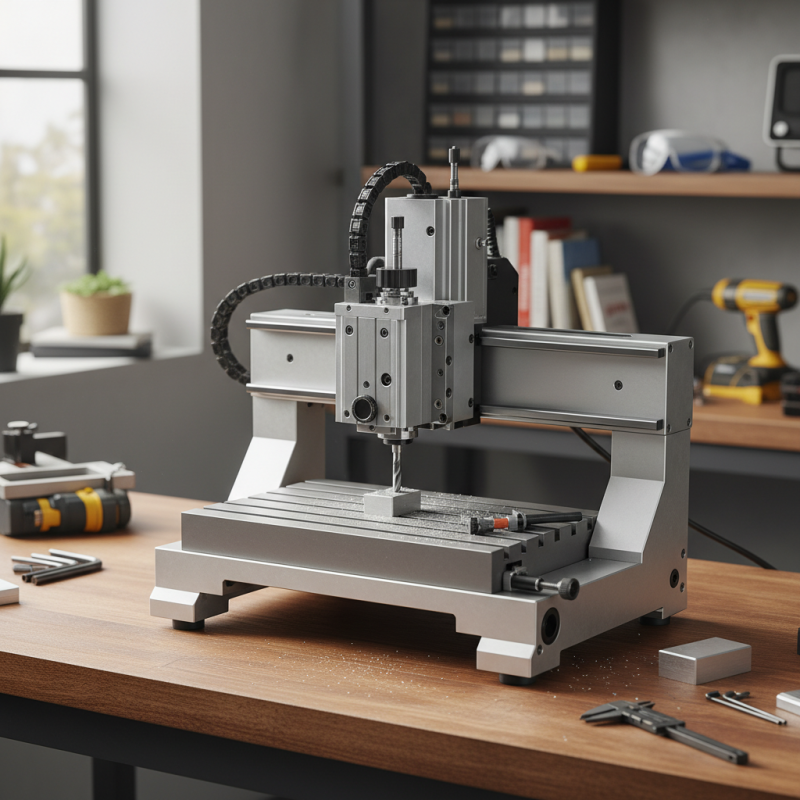
Understanding Your Milling Needs: Key Factors to Consider
When selecting a bench top milling machine, understanding your needs is crucial. The type of materials you intend to work with greatly influences your choice. For instance, softer metals like aluminum require less power compared to harder materials like steel. Considerable power can mean higher costs and larger machines, which may not fit in a small workspace.
Tip: Assess your projects ahead of time. Take stock of what you’ll most commonly be milling. This clarity can save you time and money. According to industry reports, nearly 40% of users regret not planning their needs more thoroughly.
Precision is another vital factor. A machine with a lower tolerance might yield unsatisfactory results. Inaccurate cuts can lead to wasted materials and time. The right machine should offer clear specifications and a reliable track record. It’s not enough to trust reviews; actual performance data is critical.
Tip: Look for user testimonials that provide insight into long-term reliability. Researching specific models can often reveal common issues that aren’t apparent at first glance. Many beginners overlook maintenance requirements, which can impact productivity down the line. Understanding these factors leads to wiser purchasing decisions.
Types of Bench Top Milling Machines and Their Applications
When selecting a bench top milling machine, understanding the types available is crucial. There are primarily three types: vertical, horizontal, and CNC milling machines. Each serves different applications based on the complexity and precision required. For instance, vertical milling machines excel in precision work and are great for DIY projects and small businesses. Their adaptability makes them popular among hobbyists.
Horizontal milling machines, though less common, are effective for mass production and heavy-duty tasks. They often feature high-speed operations and can handle larger workpieces. This makes them suitable for industries focusing on bulk manufacturing. According to a report by IBISWorld, the demand for bench top milling machines has grown by 3% annually, reflecting their importance in both industrial and home workshops.
CNC milling machines represent the pinnacle of precision and automation. They’re able to perform intricate designs with minimal human intervention. However, they may require significant investment and training. Many users find them challenging, noting the steep learning curve involved. As more industries turn to automation, the CNC market grows, but it often leaves beginners in the dust. This is a key consideration when deciding which type best meets your needs.
Essential Features to Look for in a Milling Machine
When selecting a bench top milling machine, essential features can make a significant difference. A sturdy frame is crucial for stability. Look for machines made from quality materials. This prevents vibrations that can affect precision. Pay attention to the milling capacity. It should accommodate the materials you intend to work with. A machine's horsepower also impacts its efficiency.
Another critical feature is the tooling options. Consider whether the machine accepts various cutters. A versatile tool holder can enhance your milling capabilities. Don’t ignore the ease of use. The machine should have clear controls and settings. It’s vital for beginners and experienced users alike. Be mindful of safety features too. Emergency stop buttons and shields are necessary for a safer work environment.
Accessibility is often overlooked but essential. Ensure you can reach all parts of the machine comfortably. This prevents awkward movements while operating. Some may find the initial investment daunting. However, a good quality machine provides long-term benefits. It's wise to research and reflect on your specific needs before making a decision. A well-chosen machine can greatly improve your projects.
Assessing Budget and Value for Your Milling Machine Selection
When selecting the right bench top milling machine, budget plays a crucial role. A recent industry report indicates that over 60% of users prioritize cost-effectiveness. Many entry-level models are available, typically ranging from $500 to $2,000. These machines offer essential features for hobbyists and small workshops, but may lack advanced capabilities. The value of your investment must align with your specific needs and intended applications.
Understanding the balance between price and functionality is important. A machine priced at the lower end may struggle with precision and durability. On the other hand, spending more does not guarantee better quality. In fact, 35% of users have reported dissatisfaction due to inadequate performance despite a larger investment. Features such as motor torque, build quality, and material compatibility should guide your decision.
Consider the total cost of ownership, too. Ongoing maintenance and replacement parts can add to initial expenses. Users often overlook these factors. A machine may seem budget-friendly upfront but can become costly over time. Evaluating these aspects holistically can prevent regret later.
Tips for Maintenance and Longevity of Your Bench Top Milling Machine
Maintaining your bench top milling machine is crucial for its longevity. Regular cleaning keeps dust and debris at bay. A dirty machine can lead to inefficient performance and premature wear. According to a survey by the National Institute of Standards and Technology, routine maintenance can extend equipment life by 20-30%. This means less frequent replacements and more efficient cuts over time.
Lubrication plays a significant role as well. Properly lubricated components reduce friction, increasing longevity and enhancing performance. However, users often overlook this aspect. A study highlighted that neglecting lubrication accounts for 40% of machinery failure. Be diligent and follow manufacturer recommendations. Check the oil levels regularly, and inspect for leaks or wear.
Lastly, use the machine within its specified limits. Overloading a milling machine can cause damage that may not be immediately visible. Users sometimes push these limits, aiming for faster results. This behavior can lead to costly repairs and downtime. Being mindful of operating protocols ensures you get the best out of your milling machine for years to come.
Bench Top Milling Machine Performance Metrics