How to Choose Cleaning Equipment Supplies for Your Business?
Choosing the right cleaning equipment supplies can shape your team’s daily performance, safety, and operating costs. A polished machine is not always the best choice. Your building, surfaces, staffing levels, and cleaning schedule matter more.
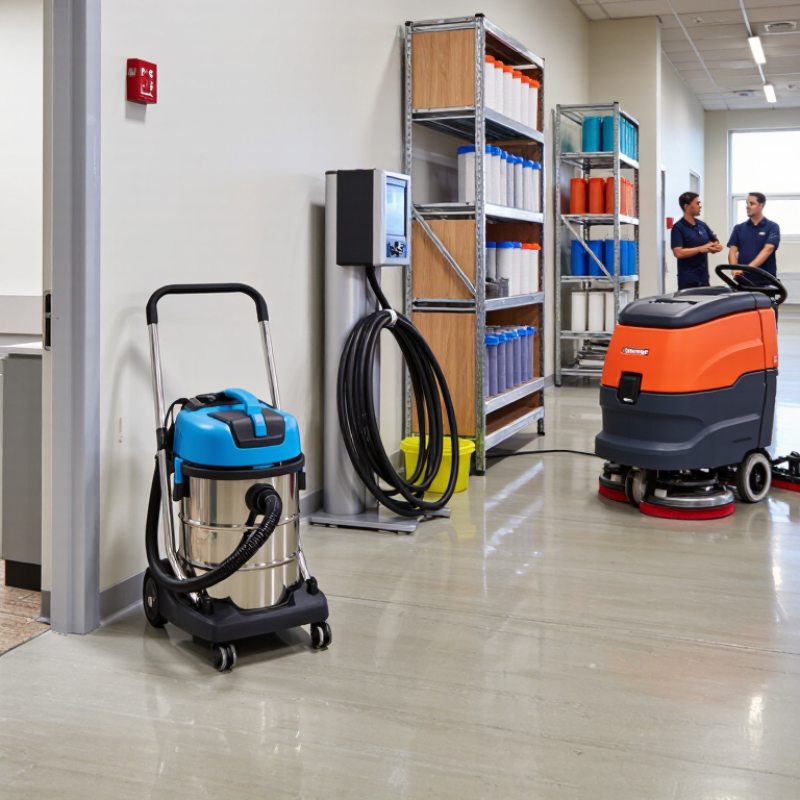
Walk through the workplace before comparing products. Notice narrow corridors, uneven floors, busy entrances, and areas without nearby power outlets. A compact vacuum may suit hotel rooms, while an auto scrubber could save time across a warehouse floor. In a small clinic, quiet operation and easy disinfection may matter most. Details like tank capacity, battery life, noise levels, and replacement parts deserve careful attention.
Ask suppliers for clear specifications, warranty terms, training support, and maintenance requirements. Reliable manufacturers should explain how equipment performs under regular commercial use. Check whether filters, pads, hoses, and batteries are easy to source. A low purchase price can become expensive when repairs take too long. Staff feedback is valuable, too. They know which handles cause strain and which controls create confusion.
There is no perfect checklist.
I have seen businesses choose powerful equipment that remained unused because it was too heavy. That mistake is easy to repeat when product demonstrations seem impressive. Test equipment on your actual floors, with your usual staff, before making a large purchase. Review results after several weeks. Perhaps your original choice will need adjustment. That is not failure. It is practical learning. The strongest cleaning plan combines dependable cleaning equipment supplies, responsible purchasing, and honest observation from the people using them every day.
Define Facility Needs by Area, Surface Type, Soil Load, and Cleaning Frequency
How to Choose Cleaning Equipment Supplies for Your Business?
Define equipment by the facility’s real conditions, not by a standard shopping list. Map each area first. Offices may need quiet vacuum systems and microfiber tools. Restrooms require grout-safe brushes, wet-floor signs, and touchpoint dispensers. Warehouses need machines that tolerate dust, oil, and rough concrete. EPA reports that indoor pollutant levels can be two to five times higher than outdoor levels. Ventilation and low-emission cleaning products therefore deserve attention, especially in enclosed rooms.
Surface type changes the decision. Vinyl, sealed stone, carpet, stainless steel, and unfinished concrete each respond differently to pressure, heat, moisture, and chemicals. Start with a small test area. A powerful machine can still damage a soft floor. Soil load matters too. A busy entrance may need frequent dry debris removal, while a low-traffic office may need less intensive equipment. My first plan would not be perfect. Real traffic patterns often contradict assumptions.
Cleaning frequency should follow measurable use. Track foot traffic, spill records, restroom visits, and visible residue for two weeks. CDC guidance reports that effective hand hygiene can reduce respiratory illnesses by 16–21%, making high-touch cleaning a practical priority. Choose durable supplies for daily work, specialized tools for periodic restoration, and ergonomic equipment for long shifts. Review the setup monthly. Equipment can be technically suitable yet poorly placed, poorly maintained, or simply ignored by staff.
How to Choose Cleaning Equipment Supplies for Your Business? - Define Facility Needs by Area, Surface Type, Soil Load, and Cleaning Frequency
| Facility Area | Typical Surface | Soil Load | Cleaning Frequency | Recommended Equipment | Essential Supplies | Selection Guidance |
|---|---|---|---|---|---|---|
| Office and Administrative Areas | Carpet tiles, vinyl flooring, desks, glass partitions | Low to moderate dust, fingerprints, and small spills | Daily touch-point cleaning; floors two to five times per week | Commercial vacuum, compact floor machine, microfiber system | Neutral cleaner, glass cleaner, microfiber cloths, dusting tools | Choose quiet equipment with HEPA filtration where indoor air quality and occupant comfort are priorities. |
| Retail and Customer Areas | Polished concrete, ceramic tile, laminate, display glass | Moderate dust, tracked soil, scuff marks, and frequent fingerprints | Daily or multiple times per day in high-traffic periods | Walk-behind scrubber, wet/dry vacuum, high-efficiency dust mop | Low-residue floor cleaner, spot remover, glass cleaner, caution signs | Prioritize maneuverability, fast drying, and equipment that can operate safely around customers. |
| Restaurants and Food-Service Areas | Quarry tile, grout, stainless steel, food-contact surfaces | High grease, food residue, protein soil, and liquid spills | After each service period; detailed cleaning daily | Heavy-duty wet vacuum, cylindrical or rotary scrubber, pressure washer where permitted | Food-safe degreaser, alkaline floor cleaner, sanitizing solution, color-coded brushes | Select equipment and chemicals compatible with food-safety procedures and slip-resistance requirements. |
| Restrooms and Locker Rooms | Ceramic tile, grout, porcelain, stainless steel, mirrors | Moderate to high organic soil, soap scum, mineral scale, and odors | Daily; high-use facilities may require checks several times per day | Compact scrubber, wet vacuum, grout brush, extendable cleaning tools | Disinfectant, scale remover, restroom cleaner, odor-control products, disposable gloves | Use separate tools for restroom areas and provide chemical-resistant components for acidic products. |
| Healthcare and Care Facilities | Resilient flooring, sheet vinyl, stainless steel, sealed surfaces | Variable soil with elevated hygiene and contamination-control requirements | High-frequency cleaning based on room risk and facility protocols | HEPA-filtered vacuum, microfiber flat mop system, low-moisture floor machine | Approved disinfectant, disposable or launderable microfiber, spill kit, labeled containers | Choose equipment that supports infection-control procedures, controlled chemical dosing, and easy disinfection. |
| Warehouses and Loading Areas | Sealed concrete, rough concrete, dock plates, metal surfaces | High dust, grit, pallet debris, tire marks, and occasional oil or chemical spills | Daily sweeping; scrubbing one to seven times per week depending on traffic | Ride-on sweeper, industrial scrubber, wet/dry vacuum, spill-response equipment | Industrial degreaser, concrete cleaner, absorbent granules, durable brooms and squeegees | Match machine width and battery or fuel capacity to floor area, aisle width, and operating hours. |
| Schools and Educational Facilities | Vinyl composition tile, carpet, rubber flooring, desks, glass | Moderate dust, tracked soil, food crumbs, and frequent touch-point contamination | Daily during occupancy; deep cleaning during scheduled breaks | Backpack vacuum, upright vacuum, compact scrubber, microfiber cleaning cart | Low-odor cleaner, disinfectant, carpet spotter, microfiber cloths, waste liners | Favor low-noise, low-emission products and equipment with simple controls for consistent staff training. |
| Industrial and Workshop Areas | Sealed concrete, metal, epoxy coatings, work benches | High oil, grease, metal particles, dust, and process residue | Continuous spot cleaning; scheduled deep cleaning weekly or as required | Industrial wet/dry vacuum, heavy-duty scrubber, oil-absorbent system | Heavy-duty degreaser, absorbent pads, solvent-compatible tools, floor squeegees | Verify chemical compatibility, electrical safety, ventilation needs, and hazardous-material procedures before purchase. |
| Parking Garages and Outdoor Walkways | Concrete, asphalt, textured pavers, painted traffic surfaces | High grit, leaves, mud, tire residue, and weather-related debris | Daily litter removal; mechanical cleaning weekly to monthly | Outdoor sweeper, pressure washer, industrial wet vacuum, litter collection tools | Concrete cleaner, oil-spot remover, absorbent material, outdoor brooms and squeegees | Select weather-resistant equipment and manage wastewater according to local environmental requirements. |
Related Posts
-

Top 10 Cleaning Equipment Supplies for Global Buyers
-
How to Find a Reliable Professional Cleaning Service?
-
Top Cleaning Accessories to Simplify Your Home Cleaning in 2025
-
What Are the Top Professional Cleaning Products?
-

Essential Power Washing Supplies: Transform Your Outdoor Space with Pro Tips and Tools!
-
How to Choose the Best Cleaning Machine for Your Needs?