How to Choose the Right Electric Hot Water Pressure Washer for Your Needs?
Choosing the right electric hot water pressure washer can be challenging. With so many options available, it's essential to identify your specific needs. These machines provide powerful cleaning solutions for various surfaces, from driveways to vehicles. Their ability to combine heat with pressure enhances cleaning efficiency significantly.
When selecting an electric hot water pressure washer, consider the tasks you'll perform most often. Look for features like pressure levels, water temperature, and portability. Higher pressure may be better for tough stains, but it can also cause damage to delicate surfaces. Reflect on what you plan to clean and how often.
Don’t overlook the importance of quality and brand reputation. Reading reviews can guide you in the right direction. However, beware of personal biases; what works for one may not work for you. Test different models if possible, as hands-on experience can reveal flaws or advantages that specifications can’t. Making an informed choice requires considering both your expectations and potential limitations.
Understanding the Basics of Electric Hot Water Pressure Washers
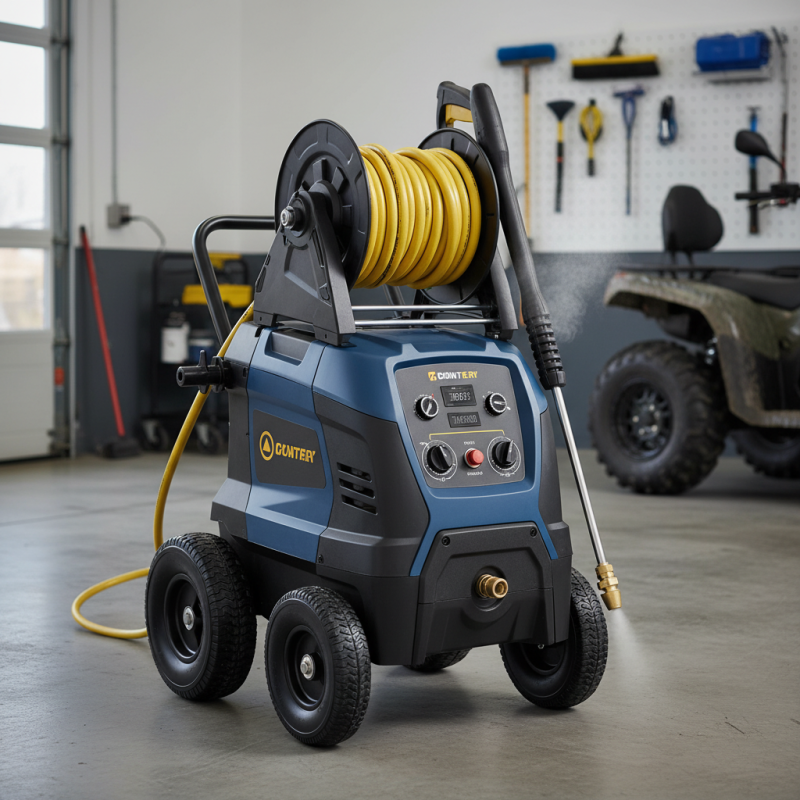
When choosing an electric hot water pressure washer, understanding how it works is vital. These machines heat water to enhance cleaning power. Hot water can dissolve grease and grime more effectively than cold water. The temperature typically ranges from 100°F to 200°F. This means quicker, more efficient cleaning.
Consider your specific needs. The flow rate affects how quickly you can clean an area. A higher GPM (gallons per minute) means faster cleaning. However, if you always have small jobs, a lower flow rate might suffice. Think about the surfaces you will clean. Some materials require gentler cleaning, while others can handle pressure.
The size and weight of the machine also play a crucial role. A heavier washer might be hard to maneuver in tight spaces. Compact models can be a bit less powerful, though. Balancing power with portability is essential. You want the right tool to meet your cleaning challenges without compromising comfort during use.
How to Choose the Right Electric Hot Water Pressure Washer for Your Needs?
| Feature |
Description |
Importance Level |
| Pressure Rating |
The psi (pounds per square inch) rating determines the cleaning power. |
High |
| Water Temperature |
Electric hot water pressure washers can heat water up to certain temperatures for better cleaning. |
High |
| Flow Rate |
Measured in GPM (gallons per minute), the flow rate affects cleaning speed and efficiency. |
Medium |
| Portability |
Weight and wheel design influence how easily the washer can be moved. |
Medium |
| Safety Features |
Look for features like thermal relief valves and GFCI protection to ensure safe operation. |
High |
Key Specifications: PSI, GPM, and Heating Temperature Explained
Choosing the right electric hot water pressure washer involves understanding key specifications:
PSI,
GPM,
and
heating temperature.
PSI, or pounds per square inch, measures water pressure.
Higher PSI means more force, which is vital for tough stains.
A washer with at least 1500 PSI is suitable for general use,
while tougher jobs may require 3000 PSI or more.
GPM, or gallons per minute, indicates the water flow rate.
A higher GPM leads to faster cleaning, as it uses more water.
Generally, a washer with 1.5 to 2.5 GPM is ideal.
This range balances pressure and water efficiency.
Heating temperature is also crucial.
Most models heat water to around 100 to 200 degrees Fahrenheit.
Hot water enhances cleaning power, especially for grease and grime.
Ideal for surface preparation, hotter temperatures clean better but can use more energy.
When selecting your washer, consider your cleaning needs.
A more powerful washer isn't always the best choice.
Sometimes, a lower PSI and GPM work well for delicate surfaces.
As you explore options, think about the surfaces you will clean most often.
Tips:
Examine the specific tasks ahead.
Do you need a stronger pressure for tough grime? Or is it a light clean?
Balance your choice with energy efficiency.
Too much power can lead to wasted resources.
Assessing Your Cleaning Needs: Residential vs. Commercial Applications
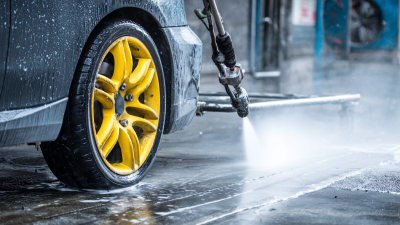
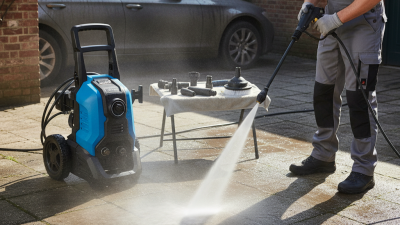
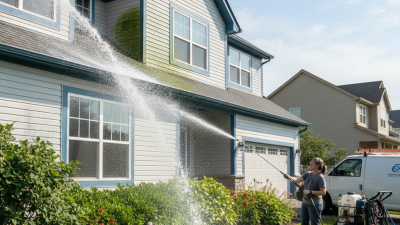
Choosing the right electric hot water pressure washer involves understanding your specific cleaning needs. For residential applications, a unit with less power may suffice. These washers typically require 1,500 to 2,000 PSI for effective home cleaning tasks. Tasks like washing cars or driveways don't need excessive pressure.
On the other hand, commercial applications demand more robust machines. They often require over 3,000 PSI. This pressure is essential for heavy-duty tasks, such as cleaning large equipment or commercial properties. According to industry reports, businesses see a 60% increase in efficiency when utilizing appropriate pressure levels. If you're cleaning grease-stained surfaces, ensure your washer can generate enough heat and pressure to tackle such challenges.
Tip: Consider the type of surfaces you will clean. Softer surfaces may need a lower PSI. Too high pressure can damage them.
Another factor to consider is the availability of hot water. Hot water pressure washers clean deeper and faster. They can remove tough stains more effectively. Many professionals report that hot water increases cleaning power by up to 50%. However, also think about your water supply. High-volume usage might strain your plumbing system.
Tip: Check flow rates. A washer with a low GPM may leave you scrubbing longer. This can be tedious and counterproductive. Choose based on your unique cleaning environments.
Choosing the Right Electric Hot Water Pressure Washer for Your Needs
Energy Efficiency and Environmental Impact of Electric Models
When choosing an electric hot water pressure washer, energy efficiency is key. Electric models often consume less energy than gas-powered ones. This means lower utility bills and reduced environmental footprint. They typically have fewer emissions, contributing to cleaner air.
It’s important to compare energy ratings. Look for models with good ratings for optimal performance. However, not all electric washers are equally efficient. Some may require more energy for heat and pressure. This can lead to higher costs over time.
Using electricity is cleaner than burning fossil fuels. Still, the source of your electricity matters. If it comes from coal, the benefits diminish. Reflecting on how you use these machines is vital. Being mindful of water and energy use can lead to better choices. Each small step counts in minimizing environmental impact.
Maintenance Tips and Longevity Factors for Your Pressure Washer
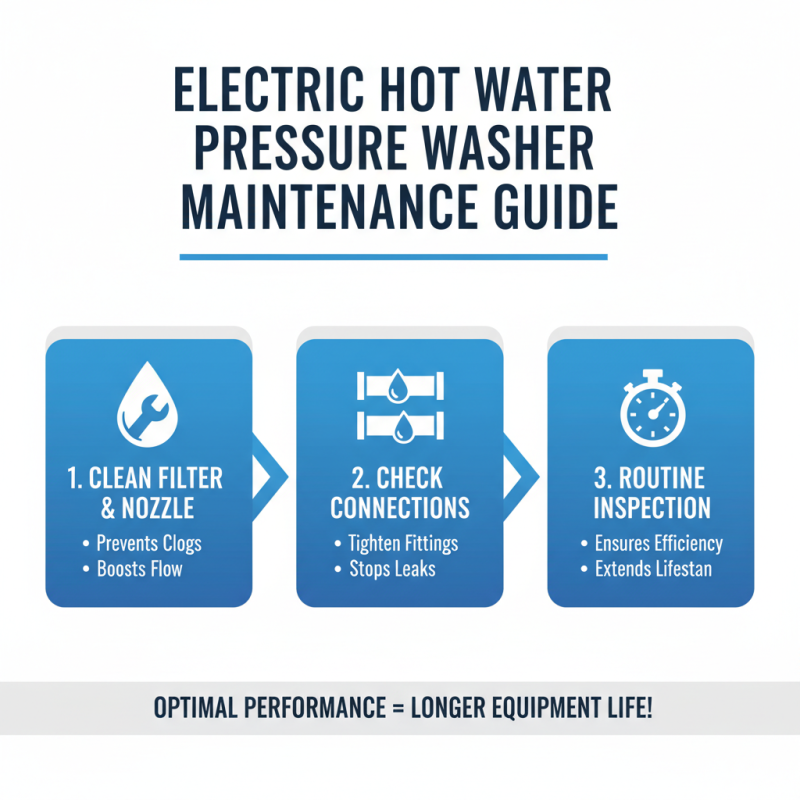
When it comes to maintaining your electric hot water pressure washer, a few simple practices can extend its life. Routine cleaning of the filter and nozzle helps prevent clogs. Ensure that all connections are tight and free from leaks. This is often overlooked, yet vital for optimal performance.
Consider your water source. Hard water can lead to mineral buildup. Using softened or distilled water can reduce this risk. Regularly check and clean the spray wand. Even small blockages can reduce the effectiveness of your washer. Don't underestimate the impact of cleanliness.
Storage matters, too. Keep your pressure washer in a dry place, away from extreme temperatures. Protecting the machine from moisture and dust can prevent rust and corrosion. This storage tip is often neglected, but it can save you from costly repairs. Test the machine monthly to ensure it functions properly. Small maintenance steps can lead to substantial improvements over time.