How to Choose the Right Power Washing Equipment for Your Cleaning Needs
Choosing the right power washing equipment is crucial for achieving optimal cleaning results across various surfaces and applications. With an array of options available in the market, selecting the most suitable power washing equipment can seem overwhelming. Whether you are a homeowner looking to maintain your property's exterior or a professional seeking efficient tools for demanding jobs, understanding the key features and capabilities of power washing equipment is essential to ensure effective and safe cleaning.
Power washing equipment varies in pressure, flow rate, and design, each tailored to meet specific cleaning needs. For instance, residential power washers often have lower pressure levels suitable for delicate surfaces, while commercial-grade machines are designed for tougher tasks and high efficiency. By evaluating your cleaning requirements and understanding the differences between models, you can make an informed decision that enhances your cleaning efficacy and safeguards your surfaces.
As you venture into the world of power washing, it's imperative to consider factors such as the types of surfaces you intend to clean, the level of dirt and grime present, and your overall budget. This comprehensive approach will lead you not only to the right power washing equipment but also to achieving the best possible results for your cleaning endeavors.
Understanding Different Types of Power Washing Equipment
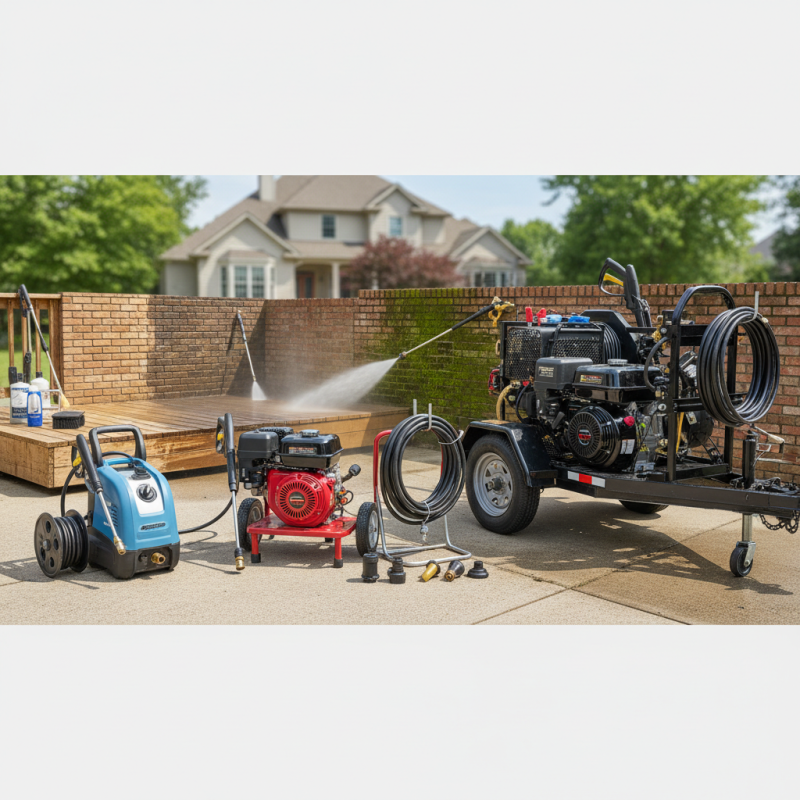
When selecting the right power washing equipment for your cleaning needs, it’s essential to understand the various types available in the market. The primary categories of power washers include electric pressure washers, gas-powered pressure washers, and hot water pressure washers. According to a recent report by the American Cleaning Institute, electric pressure washers are ideal for light-duty tasks, such as cleaning cars and sidewalks, as they typically range from 1,300 to 2,000 PSI (pounds per square inch) and are more eco-friendly due to zero emissions. Their portability and ease of use make them a popular choice for homeowners.
On the other hand, gas-powered pressure washers, which often exceed 3,000 PSI, are better suited for heavy-duty cleaning jobs like graffiti removal or cleaning large patios. The Equipment and Manufacturing Association reported that these machines account for approximately 60% of power washing sales, reflecting their popularity among professionals and contractors. Furthermore, if your cleaning tasks involve grease or oil, a hot water pressure washer becomes essential, as it can effectively eliminate tough stains that cold water alone might not handle. Understanding these key distinctions will guide you in selecting the most appropriate equipment for your specific power washing needs.
Evaluating Your Cleaning Requirements: Residential vs. Commercial
When choosing the right power washing equipment, a critical first step is to evaluate your cleaning requirements, distinguishing between residential and commercial needs. Residential power washing typically involves surfaces like driveways, patios, decks, and siding. According to the Power Washers of North America (PWNA), residential power washing tasks can require pressure levels between 1500 to 3000 PSI (pounds per square inch), which are suitable for effectively removing dirt, mildew, and loose paint without damaging the underlying surface. Additionally, electric power washers, often favored for their ease of use, can be ideal for homeowners addressing smaller areas or less intensive cleaning tasks.
On the other hand, commercial power washing demands more robust machinery due to the larger scale and varied types of surfaces involved. Reports indicate that commercial-grade power washers can operate at pressure levels exceeding 4000 PSI, making them essential for cleaning parking lots, buildings, and industrial equipment. Furthermore, durability and extended operational hours become crucial. According to the American Cleaning Institute, commercial users often log more than 20 hours of washing per week, necessitating equipment that can withstand frequent use and cope with tougher cleaning challenges, such as grease and oil stains. This distinction not only influences your choice of equipment but also impacts the overall effectiveness and efficiency of the cleaning process tailored to the specific needs of either residential or commercial applications.
Key Features to Look for in Power Washers
When choosing the right power washing equipment, it's essential to focus on key features that cater to your specific cleaning needs. One of the most important characteristics to consider is the pressure rating. Measured in PSI (pounds per square inch), a higher pressure is generally more effective for tough stains and grime, while lower pressure is suitable for delicate surfaces. Additionally, a variable pressure setting allows for versatility, enabling users to adjust the intensity based on the task at hand.
Another crucial feature to look for is the type of power washer—electric or gas. Electric models are often lighter and quieter, making them perfect for residential use and small projects. On the other hand, gas-powered washers tend to deliver more power and mobility, ideal for larger or more demanding jobs. Furthermore, consider the flow rate, measured in GPM (gallons per minute), as it determines how much water the machine can expel, affecting cleaning efficiency. Lastly, features like interchangeable nozzles, onboard detergent tanks, and ease of portability can significantly enhance your power washing experience, ensuring you select a machine that aligns with your cleaning objectives.
Selecting the Right Accessories for Your Equipment
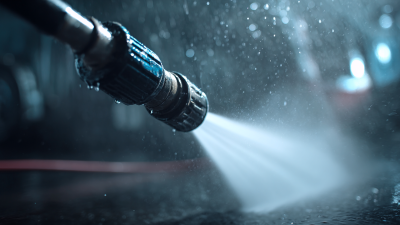
When selecting the right accessories for your power washing equipment, it’s essential to understand how different attachments can enhance your cleaning efficiency. According to industry studies, nearly 70% of cleaning professionals report that using the correct nozzles and brushes can reduce cleaning time by up to 50%. This highlights the importance of choosing accessories that are specifically designed for the type of surfaces and grime you’ll be tackling.
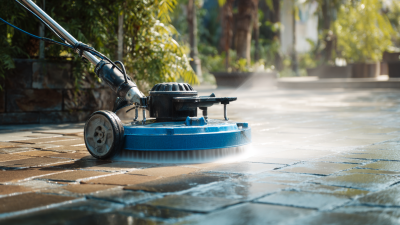
For instance, a rotary surface cleaner can be incredibly effective for large flat surfaces, while specialized nozzles can help reach tight spaces or provide a more concentrated spray for stubborn stains.
Moreover, the material and quality of the accessories play a crucial role in the overall performance and longevity of your equipment. Research from the Power Washers of North America indicates that high-quality materials can extend the lifespan of accessories by 30% compared to standard options. When investing in accessories, consider ones that offer durability, such as hardened steel or reinforced plastics that can withstand the rigors of heavy-duty cleaning.
Additionally, utilizing extension wands and adjustable tips can provide versatility, allowing you to adapt your power washing techniques to various cleaning jobs effectively. By carefully selecting the right accessories, you can optimize your power washing setup and achieve superior results in your cleaning endeavors.
Maintenance Tips for Long-lasting Power Washing Performance
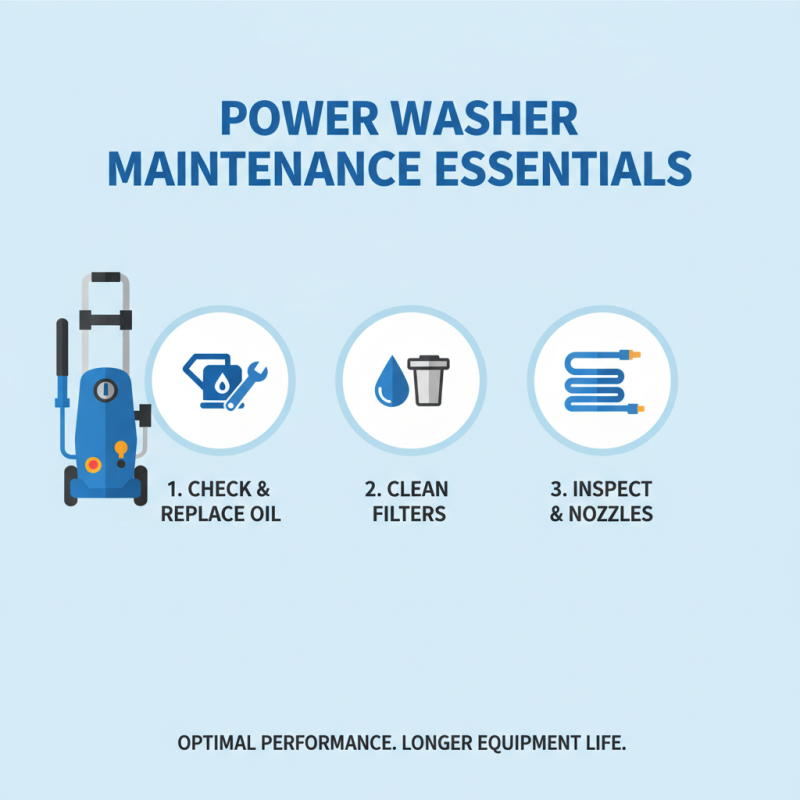
Maintaining your power washing equipment is crucial for ensuring optimal performance and longevity. Regular maintenance not only enhances the efficiency of the machine but also minimizes the risk of breakdowns, which can be costly. One essential tip is to always check and replace the oil as recommended by the manufacturer. Keeping the oil clean and at the right level helps the engine run smoothly.
Another important aspect of maintenance is keeping the filters clean. Clogged filters can restrict airflow and decrease the power washing efficiency. Inspect the air filter and water filter regularly, and clean or replace them as needed. This simple step can significantly impact the machine's performance, allowing for efficient cleaning without unnecessary strain on the engine.
Lastly, be vigilant about the hoses and nozzles. Check for any signs of wear or damage, as a compromised hose can lead to leaks and reduced pressure. Always store your equipment in a dry, sheltered area to prevent any weather-related damage. By following these maintenance tips, you’ll ensure that your power washing equipment remains in peak condition and is ready for any cleaning task you tackle.