How to Choose the Right Power Washing Equipment for Your Needs?
Choosing the right power washing equipment is crucial for successful cleaning projects. According to industry expert John Smith, “Selecting the right tools can make or break your efficiency.” With so many choices available, understanding your specific needs is essential.
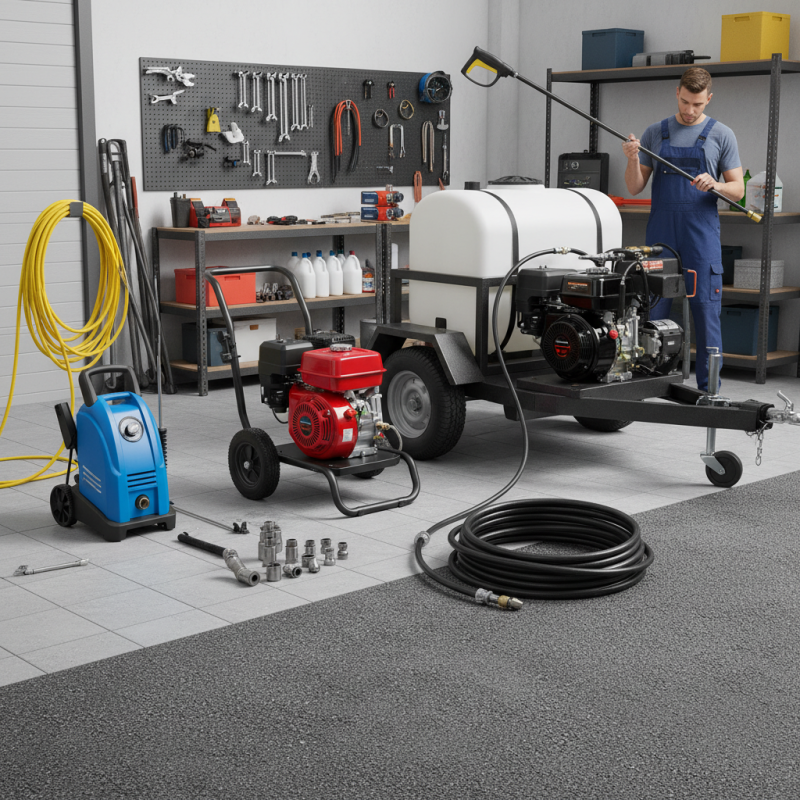
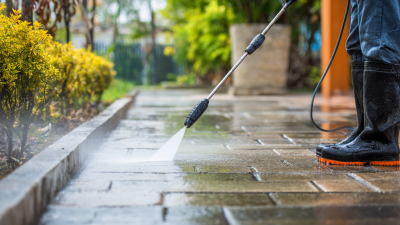
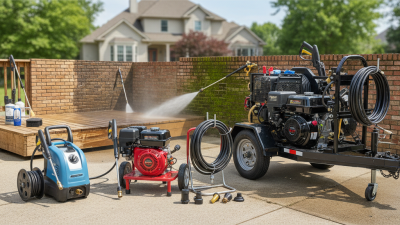
Power washing equipment varies widely in terms of pressure, size, and purpose. A homeowner might need a lightweight electric washer for patios. Meanwhile, a contractor may require a heavy-duty gas washer for large-scale jobs. Each use case demands different equipment specifications.
It's important to reflect on how often you will use the equipment. Maybe you rent once in a while instead of buying. This approach can save money and frustration. Ultimately, the right power washing equipment should fit your technical skills and job requirements. Understanding these details will lead to better decisions in your power washing endeavors.
Understanding Your Power Washing Needs
When choosing power washing equipment, understanding your specific needs is crucial. Consider the surfaces you will clean. Different materials, like concrete or wood, require varied pressure settings. A high-pressure washer might damage softer surfaces. Therefore, knowing the right pressure level is essential.
Next, think about the scale of your projects. Are you working on small residential tasks or larger commercial jobs? The size and frequency of the work will affect your equipment choice. If you have infrequent tasks, a compact model may suffice. However, for regular, extensive work, a more robust machine may be necessary.
Additionally, reflect on your comfort level with operating these machines. Some may feel overwhelmed by advanced features, while others might prefer simplicity. Choosing a model that matches your skill level can make a significant difference. Remember, selecting the wrong equipment can lead to frustration and poor results. Take the time to evaluate your true needs before making a decision.
Power Washing Equipment Comparison
Types of Power Washers: Electric vs. Gas
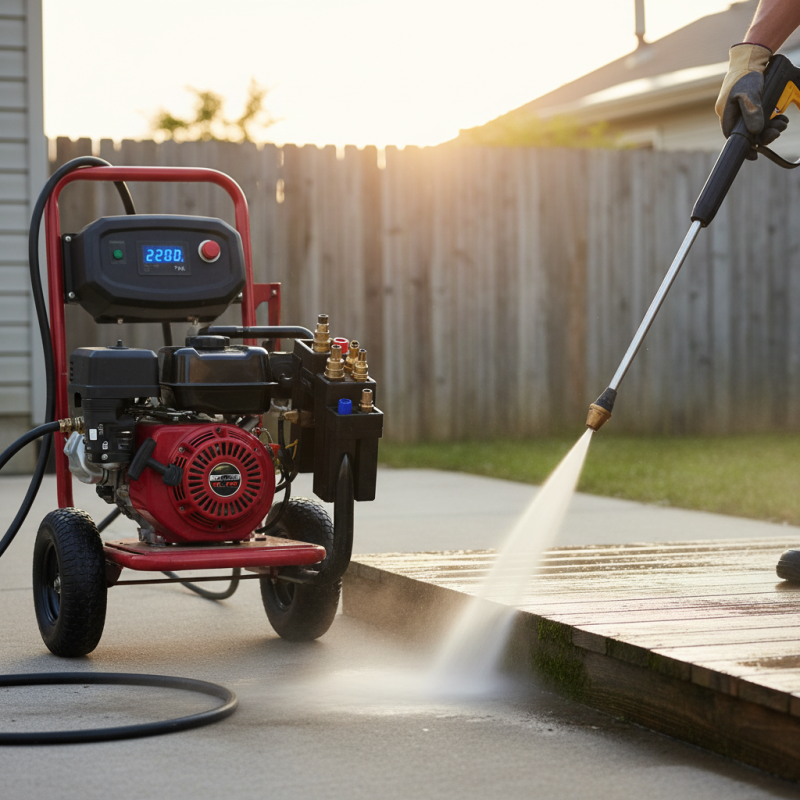
When choosing between electric and gas power washers, consider the specific tasks you'll face. Electric power washers are typically lighter and easier to handle. They work well for smaller jobs, like cleaning cars or patios. Most electric models produce around 1,300 to 2,000 PSI (pounds per square inch). This range is adequate for light to medium cleaning tasks. However, electric washers may struggle with tough grime. Their mobility is limited by power cords, which can be an inconvenience.
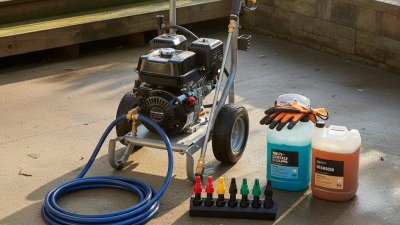
Gas power washers offer greater power and flexibility. They usually generate 2,500 to 4,000 PSI. This intensity allows them to tackle more challenging tasks, such as stripping paint or removing mold. Despite their advantages, gas washers are heavier and require more maintenance. They burn fossil fuels, which raises environmental concerns. Interestingly, a report from the Outdoor Power Equipment Institute highlights a 40% increase in gas washer sales over the last five years. This could signal growing demand, but it also prompts us to reflect on our choices and their environmental impact.
Choosing the right power washer involves weighing these factors carefully. What suits your needs best? Think about the tasks ahead. Sometimes, the easier option isn't the best for the job.
How to Choose the Right Power Washing Equipment for Your Needs? - Types of Power Washers: Electric vs. Gas
| Type of Power Washer |
Power Source |
Pressure (PSI) |
Best Use Cases |
Price Range |
| Electric Power Washer |
Electricity |
1300 - 2000 PSI |
Light to medium-duty tasks, such as car washing and patio cleaning |
$100 - $400 |
| Gas Power Washer |
Gasoline |
2000 - 4000 PSI |
Heavy-duty tasks, such as industrial cleaning and stripping paint |
$300 - $800 |
| Electric Cold Water Washer |
Electricity |
1500 - 2500 PSI |
Home use for cleaning walkways, decks, and siding |
$150 - $500 |
| Gas Hot Water Washer |
Gasoline |
2500 - 4000 PSI |
Commercial use for grease and oil removal |
$800 - $2000 |
Essential Features to Consider in Power Washing Equipment
When selecting power washing equipment, essential features play a crucial role. Pressure, for instance, is the first consideration. Most residential models operate between 1,500 and 3,000 PSI. Higher pressures can tackle tougher stains but may cause damage if used improperly. An understanding of your cleaning projects is key. Opt for equipment that matches the scope of your tasks.
Another important feature is flow rate. It is measured in gallons per minute (GPM). A higher GPM means quicker cleaning times. For example, a model with a 3 GPM can clean surfaces much faster than one with 1.5 GPM. This efficiency can save you hours on larger jobs. Look for equipment that balances both pressure and flow to meet your unique needs.
Durability is also vital. Choose materials that withstand wear and tear. Equipment made from heavy-duty materials lasts longer and performs better. According to industry reports, professional models can often last five to ten years longer than consumer-grade options. While they may require a higher initial investment, the long-term gains are evident. However, be wary of overpromising specifications. Research and reviews can reveal potential flaws in durability or performance.
Choosing the Right Accessories for Your Power Washer
Choosing the right accessories for your power washer can significantly enhance your cleaning experience. As industry reports indicate, nearly 70% of power washing efficiency depends on the right attachments. Different surfaces demand different tools. For instance, a surface cleaner is ideal for large, flat areas. It saves time and ensures an even clean.
Nozzles are another crucial accessory. Each nozzle produces varying pressure and spray patterns. A 0-degree nozzle creates a focused spray but can damage surfaces. Conversely, a 40-degree nozzle is gentler, suitable for softer materials. Understanding these options helps to avoid costly mistakes. A misused accessory can lead to underwhelming results.
Additionally, safety gear often gets overlooked. Essential items like goggles and gloves protect users during operation. According to safety reports, over 20% of power washer users report minor injuries. This highlights the need for adequate protective measures. When purchasing accessories, invest in quality. Cheaper options might save money initially but can deliver unsatisfactory performance. The right choices enhance efficiency and ensure safety, making your power washing tasks more effective.
Maintenance Tips for Long-lasting Power Washing Equipment
Proper maintenance is essential for keeping power washing equipment running smoothly. Regular cleaning ensures that dirt and grime do not accumulate. Check the hoses for cracks or leaks. A small problem can escalate quickly if left unchecked.
Replace worn-out parts promptly, like nozzles and filters. They are crucial for optimal performance. It’s important to refer to the user manual for specific maintenance frequency. Always store equipment in a dry place to prevent rust.
Additionally, taking time to winterize your machine can save you from costly repairs. Use a pump protector when freezing temperatures hit. While it might seem minor, this step is vital.
Monitor oil levels in gas-powered machines consistently. Low oil can lead to severe engine issues. Caring for your power washer makes a significant difference in its longevity.