2026 How to Choose the Best High Pressure Washer for Your Needs
Choosing the right high pressure washer can be daunting. With so many options available, it's crucial to find a model that fits your specific needs. Whether for residential use or professional projects, a high pressure washer can be a valuable tool. They offer efficiency in cleaning various surfaces, from driveways to patios.
Understanding the features of a high pressure washer is essential. Consider factors such as pressure, flow rate, and design. It's easy to get overwhelmed by technical jargon. However, knowing the basics makes the selection process easier. For example, more pressure isn't always better. High pressure can damage delicate surfaces, so choosing wisely is necessary.
In many instances, personal experience can guide your decision. Reading reviews and seeking expert advice may help. However, everyone’s needs are different, leading to confusion about the best choice. Reflect on what you’ll use the washer for, and make a choice accordingly. A high pressure washer that suits one person might not meet your expectations.
Understanding Different Types of High Pressure Washers Available in 2026
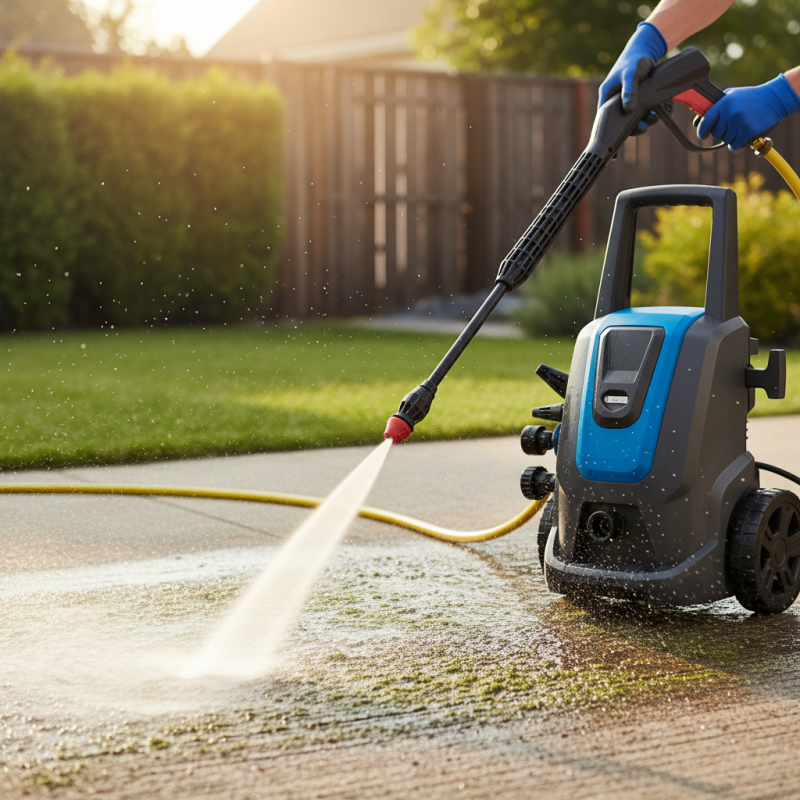
When choosing a high-pressure washer in 2026, it's crucial to understand the different types available.
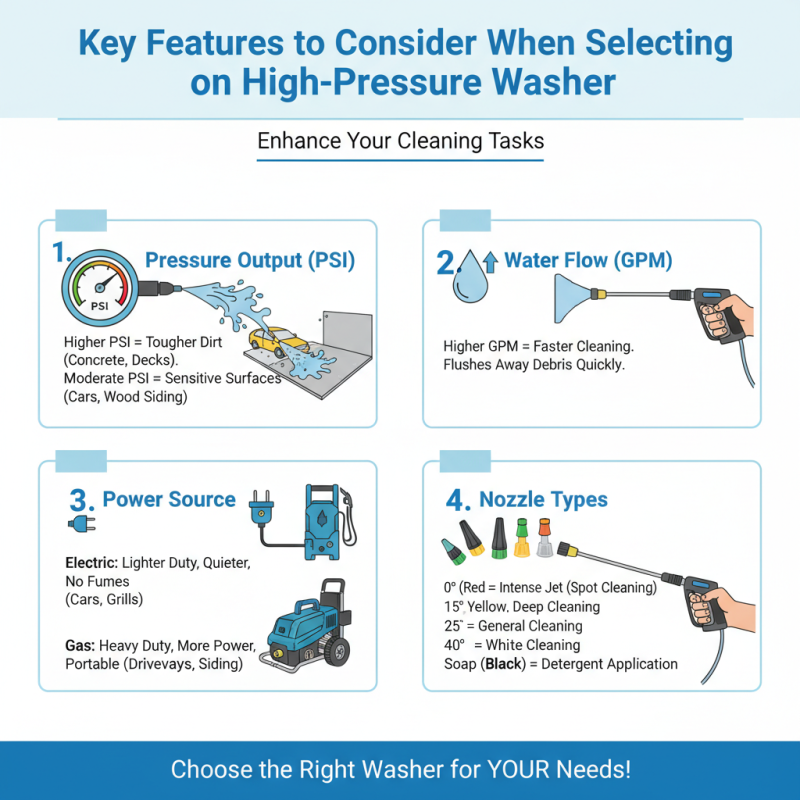
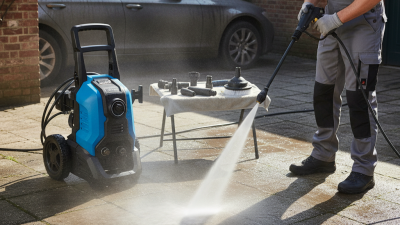
Electric pressure washers are popular for their ease of use. They are lightweight and perfect for small outdoor tasks.
However, they may lack the power needed for heavy-duty jobs. For those who need more strength, gas-powered washers provide excellent pressure levels.
They can tackle tough cleaning challenges, like driveways and decks.
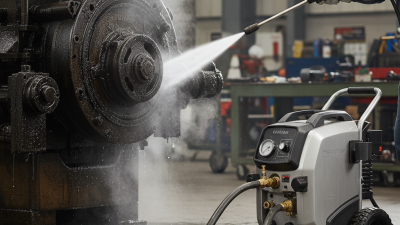
Another type to consider is the hot water pressure washer. This model is effective for greasy messes and commercial uses. It heats the water,
making it easier to break down tough stains. Yet, these units can be bulky and require more maintenance.
A lesser-known option is the cold-water pressure washer. It’s affordable and suitable for general cleaning tasks but may not deliver the intense cleaning power
some users desire.
While researching, think about your specific needs. What are you cleaning? How often will you use the washer? Reflect on your options.
Balancing power and convenience is essential. Remember, the right choice can enhance your cleaning experience,
but no option is perfect. Each type has its own advantages and potential drawbacks.
Key Features to Consider When Selecting a High Pressure Washer
Selecting the right high pressure washer can greatly enhance your cleaning tasks. It’s essential to examine key features that match your needs. One crucial detail is the pressure output, measured in PSI (pounds per square inch). Higher PSI means tougher dirt can be cleaned effectively, but it might damage some surfaces. For example, a car needs moderate pressure, while concrete could handle much more.
Flow rate is another important feature. Measured in GPM (gallons per minute), a higher GPM increases efficiency. A washer with 2.5 GPM rinses surfaces faster than one with 1.5 GPM. But be mindful; using too much water can lead to wastage. Balance is vital to maintain efficiency and conserve resources.
Tips: Always check whether you need hot or cold water pressure. Hot water can break down grease better, ideal for vehicles or machinery. Think about portability too. A lightweight model is easier to maneuver. Having a long hose might be a subtle thing, but it saves you from constantly moving the unit. Reflecting on these features can truly enhance your cleaning experience.
Assessing Power Ratings: PSI and GPM Explained
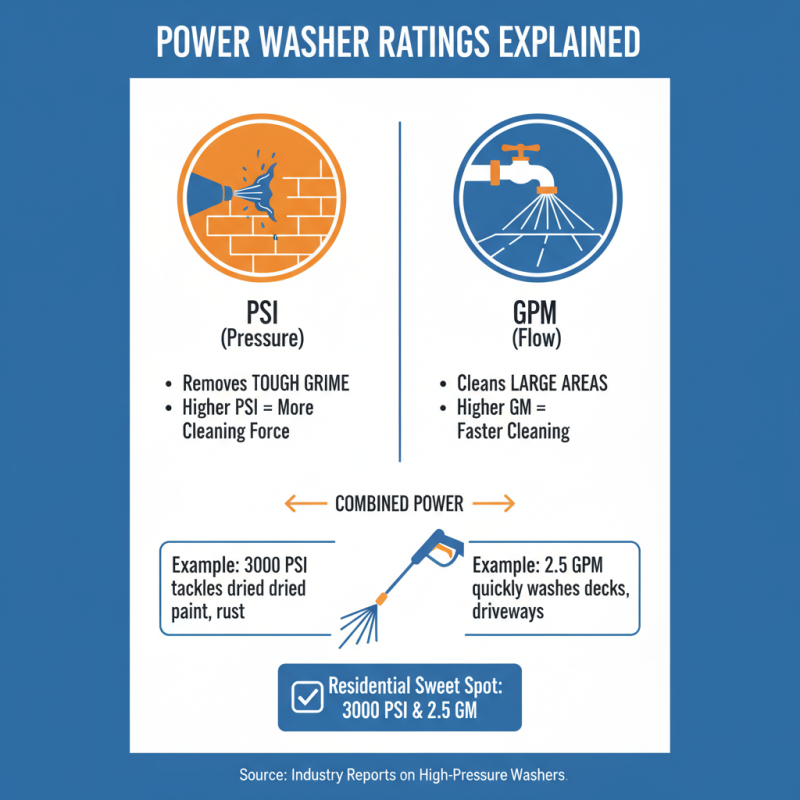
When selecting a high-pressure washer, understanding power ratings is crucial. The two primary metrics are PSI (pounds per square inch) and GPM (gallons per minute). PSI measures pressure; higher numbers mean tougher grime can be removed. GPM measures water flow. A higher GPM means more cleaning efficiency, especially for large areas. Industry reports indicate that a washer with 3000 PSI and 2.5 GPM effectively handles most residential tasks.
Tips: Always match the power of the washer to your cleaning needs. For light tasks, a lower PSI may suffice. However, for heavy-duty projects, consider washers rated at least 2000 PSI. Doing research can prevent overspending on unnecessary power.
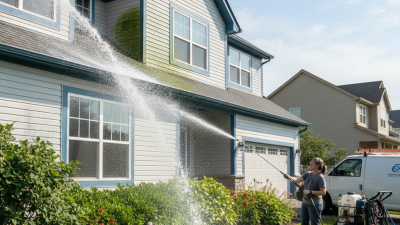
Remember, too much pressure can damage surfaces. A 4000 PSI wash might strip paint or etch concrete. Balance is key. Using a 2500 PSI washer may be ideal for delicate siding while handling dirt effectively. User feedback points out that selecting the right model requires practical knowledge and understanding of how PSI and GPM work together.
Evaluating Portability and Design for Your Cleaning Needs
When selecting a high-pressure washer, design and portability can greatly impact your cleaning experience. A lightweight model eases movement around your property. Models with wheels are often easier to transport. However, if the wheels are too small, they can struggle on uneven surfaces. Consider the weight of the unit; heavier ones can be cumbersome, especially if you need to lift them.
The design of the pressure washer is also crucial. Look for compact options that store well, particularly if you have limited space. A well-designed handle enhances portability, making it more comfortable to carry. Pay attention to cable length and hose accessibility too. Short cables can restrict your range, while tangled hoses lead to frustration. Yet, a shorter model could be more manageable and easier to stow away.
Finding the right balance between these factors requires some trial and error. You may find an ideal design in theory, but its real-world performance might differ. Not every model will meet your expectations. Reflect on your specific needs: how much space do you have? Will you often move the washer around? Answering these questions can help ensure you choose wisely.
Budgeting for a High Pressure Washer: Costs and Long-term Value
When budgeting for a high-pressure washer, understanding costs is essential. According to the Home Improvement Research Institute, the average cost of a reliable model ranges from $150 to $400. This variance often reflects the power and features of the equipment. Lower-cost models may lack the durability needed for heavy-duty tasks, leading to increased long-term costs.
Consider the long-term value. A higher initial investment might save you money over time. Data indicates that a quality machine can last up to ten years with proper maintenance. This longevity can significantly lower the cost of ownership per year. We often overlook maintenance expenses, which can creep up if neglected. Regular servicing is necessary, often costing around $50 to $100 annually.
Assessing daily usage is crucial. If you plan to use it frequently, a more robust model is warranted. Conversely, infrequent users may not need top-tier options. Think about storage and available space, too. A compact model might be ideal for small homes, whereas larger units suit spacious garages. It’s not just about initial pricing; understanding usage and maintenance can guide a wiser decision.
2026 How to Choose the Best High Pressure Washer for Your Needs - Budgeting for a High Pressure Washer: Costs and Long-term Value
| Model Type |
Pressure (PSI) |
Flow Rate (GPM) |
Price ($) |
Long-term Value Rating |
| Electric Washer |
1500 |
1.6 |
150 |
8/10 |
| Gas Washer |
3000 |
2.5 |
350 |
9/10 |
| Commercial Washer |
4000 |
4.0 |
700 |
10/10 |
| Portable Washer |
1200 |
1.4 |
100 |
7/10 |