2025 How to Choose the Best Pressure Cleaning Techniques for Your Home
As we step into 2025, the importance of maintaining a clean and appealing home cannot be overstated, and one effective method to achieve this is through pressure cleaning. This technique, which uses high-pressure water spray to remove dirt, grime, and other unsightly materials from various surfaces, has become a go-to solution for homeowners seeking quick and efficient cleaning. According to industry expert Dr. Emily Tanner, who specializes in home maintenance solutions, "Understanding the right pressure cleaning techniques for different materials is crucial to preserve the integrity of your home while achieving optimal cleanliness."
When choosing the best pressure cleaning techniques, it’s essential to consider the specific surfaces that need attention. Whether you are aiming to revitalize your driveway, patio, or siding, each surface requires a tailored approach to ensure effective cleaning without causing damage. The nuances of pressure cleaning extend beyond just the technique; factors such as water pressure, nozzle type, and cleaning solutions also play a significant role in achieving desirable results.
In this guide, we will explore various pressure cleaning techniques, providing insights and tips that can help homeowners make informed decisions. Emphasizing safety and effectiveness, our aim is to arm you with the knowledge necessary to select the best methods for your home, ensuring it remains a beautiful, welcoming space for years to come.
Understanding Different Pressure Cleaning Techniques for Home Use
When it comes to pressure cleaning techniques for home use, understanding the various methods can significantly impact cleaning effectiveness and efficiency. Being aware of the different types of pressure cleaning, such as electric and gas-powered pressure washers, is crucial. According to the Power Washers of North America (PWNA), over 60% of homeowners reported using pressure washing as their primary method for exterior cleaning, highlighting its popularity. Electric models, which are ideal for light-duty tasks such as washing cars or cleaning patios, typically deliver pressure levels between 1,300 to 2,000 PSI (pounds per square inch). Meanwhile, gas-powered machines excel in heavy-duty applications, reaching pressures of 3,000 PSI or more, making them suitable for tougher stains on driveways and siding.
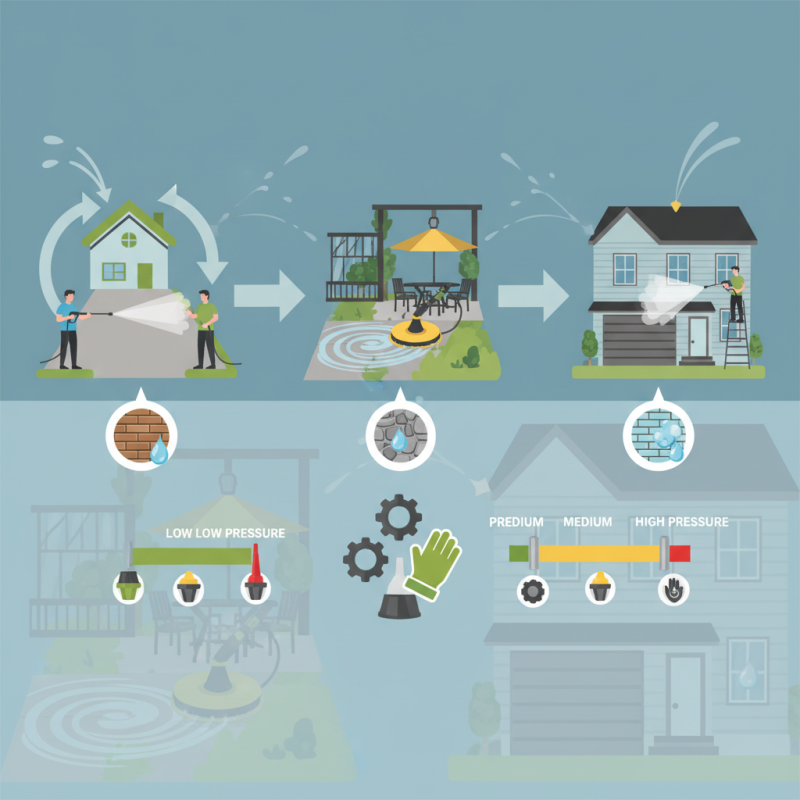
Furthermore, it is essential to consider the various cleaning techniques associated with pressure washing. Techniques such as surface cleaning using specialized attachments can reduce cleaning time by up to 50% according to industry studies. Additionally, understanding the appropriate nozzle types and their spray angles plays a vital role in achieving optimal results while minimizing the risk of damage to surfaces. Low-pressure settings paired with a wide spray angle are recommended for delicate surfaces, while a narrow spray angle at high pressure can be effective for grime on concrete. By selecting the right pressure cleaning technique tailored to individual needs and surfaces, homeowners can ensure their properties maintain a pristine appearance while maximizing the lifespan of their exterior materials.
Pressure Cleaning Techniques for Home Use
This chart displays the effectiveness of different pressure cleaning techniques based on user ratings. The data reflects the popularity and efficiency ratings to help homeowners choose the best technique for their needs.
Factors to Consider When Choosing Pressure Cleaning Methods
When selecting the best pressure cleaning techniques for your home, it's crucial to consider various factors that can significantly influence the effectiveness and efficiency of the cleaning process. First, assess the surfaces that require cleaning. Different materials, such as concrete, wood, or vinyl, may respond differently to pressure washing methods. For instance, while high pressure can effectively lift dirt from concrete driveways, it may damage softer surfaces like wood decks. Understanding the specific needs of each surface will help in choosing the right pressure setting and cleaning solution.
Additionally, consider the environmental impact and safety measures associated with each pressure cleaning method. Opt for techniques that utilize biodegradable and non-toxic cleaning agents to minimize harm to your landscaping and water supply. Furthermore, ensure that the equipment used complies with noise regulations and that you take necessary precautions to protect yourself and those around you during the cleaning process. By focusing on these critical factors, you can make an informed decision that not only achieves great results but also respects the environment and maintains safety.
Comparative Analysis of Pressure Washer Types and Their Applications
When selecting the best pressure cleaning techniques for your home, it's essential to understand the various types of pressure washers available and their specific applications. Electric pressure washers, for instance, are ideal for light to medium-duty household tasks, such as cleaning patios, garden furniture, and vehicles. They are typically quieter, lighter, and easier to maneuver, making them an excellent choice for homeowners who need a convenient cleaning option without the hassle of gas. Additionally, their lower pressure levels are less likely to damage sensitive surfaces, making them suitable for delicate tasks.
On the other hand, gas-powered pressure washers provide higher pressure outputs, making them better suited for heavy-duty cleaning projects. These machines excel in removing stubborn grime, mold, and dirt from surfaces like driveways, decks, and siding. Their portability and power make them an attractive option for larger outdoor spaces. However, potential users should be aware of their heavier weight and maintenance requirements. Moreover, there are specialized attachments and nozzles available that can further enhance the versatility of both electric and gas models, allowing users to tailor their cleaning approach to various surfaces and levels of dirt.
2025 How to Choose the Best Pressure Cleaning Techniques for Your Home - Comparative Analysis of Pressure Washer Types and Their Applications
| Pressure Washer Type |
Power Source |
Pressure (PSI) |
Water Flow Rate (GPM) |
Best Use Case |
| Electric Pressure Washer |
Electric |
1300 - 2000 |
1.2 - 1.5 |
Light cleaning tasks (cars, patios) |
| Gas Pressure Washer |
Gasoline |
2000 - 3500 |
2.0 - 3.5 |
Heavy-duty cleaning (driveways, decks) |
| Hot Water Pressure Washer |
Gasoline/Diesel |
2000 - 4000 |
2.5 - 4.0 |
Industrial cleaning (grease, oil) |
| Portable Pressure Washer |
Battery/Electric |
500 - 1500 |
0.5 - 1.0 |
Light and on-the-go tasks (bikes, small patios) |
| Commercial Pressure Washer |
Electric/Gasoline |
3000 - 5000 |
3.0 - 5.0 |
High-frequency service applications (construction sites) |
Safety Precautions for Effective and Secure Pressure Cleaning
When engaging in pressure cleaning, safety precautions are paramount to ensure both effective results and the protection of individuals and property. First, wearing appropriate personal protective equipment (PPE) is essential. This includes safety goggles to shield your eyes from debris, gloves to protect your hands from high-pressure spray and cleaning agents, and sturdy footwear to provide support and prevent slips. Additionally, long-sleeve clothing can safeguard your skin from any harsh chemicals that might be used during the cleaning process.
Before starting the pressure cleaning, it’s critical to assess the area that needs attention. Clear the vicinity of any fragile items, including plants, outdoor furniture, or decorations that could be damaged by the force of the water. Always check for loose electrical wires and ensure that windows and doors are securely closed to prevent water from getting inside. Furthermore, familiarize yourself with the pressure cleaning equipment, paying special attention to the settings and safety features, to mitigate any risks involved during operation. By taking these precautions, you can achieve a clean and safe environment for your home while minimizing hazards.
Maintenance Tips to Ensure Longevity of Pressure Cleaning Equipment
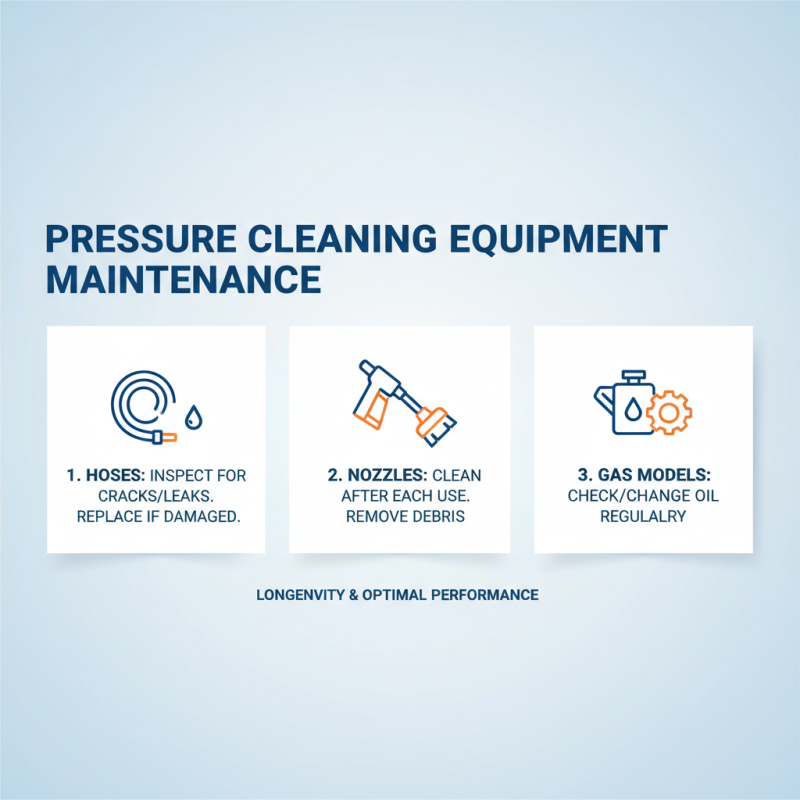
Maintaining your pressure cleaning equipment is crucial for ensuring its longevity and optimal performance. Regularly inspect the hoses for signs of wear and tear, and replace them if you notice any cracks or leaks. Keeping the nozzles clean is equally important; clogged nozzles can affect the pressure and efficiency of your cleaning tasks. Create a routine to remove any debris or buildup from the nozzles after each use to maintain smooth operation. Additionally, always check the oil levels in gas-powered models; changing the oil as recommended can significantly prolong the life of the engine.
Another vital maintenance tip is to protect your equipment from the elements when not in use. Store the pressure washer in a dry, sheltered location to prevent rust and corrosion. If the environment is particularly harsh, consider using a protective cover. It's also essential to winterize your equipment if you live in cold climates—drain any residual water from the pump, and add antifreeze to prevent damage. By following these simple tips, you can ensure that your pressure cleaning equipment remains in good working condition for years to come, allowing you to tackle cleaning tasks effectively and efficiently.