Digital Tips for Effective City Cleaning Strategies?
In urban environments, effective city cleaning strategies play a crucial role in maintaining public health and aesthetics. Cities are bustling hubs of activity, making their cleanliness essential. Digital tools have emerged as game-changers in enhancing these strategies. They offer innovative solutions to streamline operations and improve overall efficiency.
Implementing technology in city cleaning is vital yet challenging. For example, using data analytics can identify high-traffic areas that require frequent cleaning. This targeted approach can minimize waste and optimize resource allocation. However, relying solely on technology can lead to oversights. Human judgment remains essential in assessing unique situations that digital tools may not fully capture.
Let’s not forget the importance of community engagement in city cleaning efforts. While digital applications are helpful, they cannot replace the value of citizen involvement. Encouraging residents to participate creates a shared sense of responsibility. This balance between technology and community involvement can enhance city cleanliness significantly. Ultimately, improving city cleaning strategies requires continuous evaluation and adaptability.

Digital Tools for Urban Cleaning Management
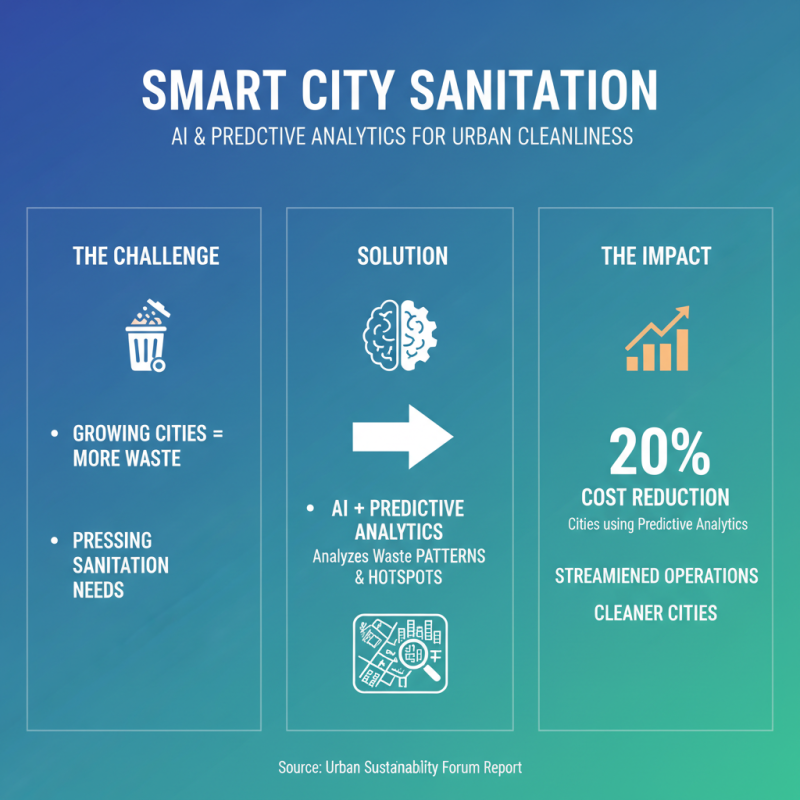
Digital tools play a crucial role in urban cleaning management. They help improve efficiency and organization. Geographic Information Systems (GIS) provide valuable insights. City planners can analyze waste patterns visually. This leads to targeted cleaning routes and schedules.
Mobile applications offer real-time data to cleaning crews. Workers can report issues like overflowing bins instantly. This digital communication saves time. However, not all workers are tech-savvy. Some may struggle with using apps effectively. Training is essential to maximize these benefits.
Data analytics also guides resource allocation. Cities can identify high-traffic areas needing more attention. Yet, relying solely on data can overlook community feedback. Without local insights, strategies may miss the mark. Regular community engagement is necessary for improvement. Balancing technology with human input remains a challenge.
Digital Tools for Urban Cleaning Management
This chart illustrates the effectiveness ratings of various digital tools used in urban cleaning management. Smart bins and data analytics received the highest ratings, showing that incorporating technology can significantly enhance city cleaning strategies.
Data-Driven Approaches to Monitor City Cleanliness
In urban environments, monitoring cleanliness is vital. Data-driven methods show promise in enhancing city cleaning efforts. A recent report indicated that cities utilizing real-time data analytics have reported a 25% increase in efficiency. Sensors and mobile applications collect data continuously, helping to identify high-traffic areas requiring more frequent cleaning.
Commonly, cities employ geographical information systems (GIS) to map out cleanliness. This technique provides insights into litter hot spots. However, the reliance on data can sometimes overlook human factors. For instance, residents' habits can change unexpectedly, leading to increased litter. A study found that 40% of surveyed citizens felt less inclined to keep their surroundings clean when trash bins overflowed. This highlights a gap in the data-driven approach; real-world behavior often defies statistical predictions.
Furthermore, public participation is crucial. While advanced tech makes monitoring easier, community engagement sets a foundation. Reports suggest that cities encouraging citizen reports of litter saw a significant uptick in cleanliness. This collective effort creates a sense of ownership among residents, bridging the gap between digital data and practical outcomes.
Integrating Community Feedback through Mobile Apps
Community engagement in city cleaning is vital. Mobile apps have emerged as a powerful tool to integrate community feedback. According to a study by the Urban Institute, cities employing digital feedback systems showed a 40% increase in reported cleanliness issues. This reflects the importance of real-time communication between residents and municipal services.
Mobile apps allow citizens to report litter, graffiti, or maintenance needs instantly. Urban areas that implemented these platforms saw a 30% faster response time in addressing reported issues. However, there are challenges. Not all neighborhoods are equally engaged. Some populations may not have easy access to smartphones or the internet, leading to a disparity in feedback.
Feedback collection shouldn't only be about numbers. It’s essential to analyze the reasons behind the data. For example, why are certain areas reporting more problems? Could it be due to a lack of resources or maintenance staff? This reflection helps formulate better strategies that are inclusive and address specific community needs.
Digital Tips for Effective City Cleaning Strategies - Integrating Community Feedback through Mobile Apps
| Metric |
Before Mobile App |
After Mobile App |
Improvement (%) |
| Community Feedback Responses |
120 |
300 |
150% |
| Reported Issues |
50 |
200 |
300% |
| Resolved Cleaning Requests |
80 |
220 |
175% |
| User Engagement Rate |
20% |
60% |
200% |
| Overall Satisfaction Rating |
3.5/5 |
4.7/5 |
34% |
Utilizing IoT for Real-Time Waste Collection Tracking
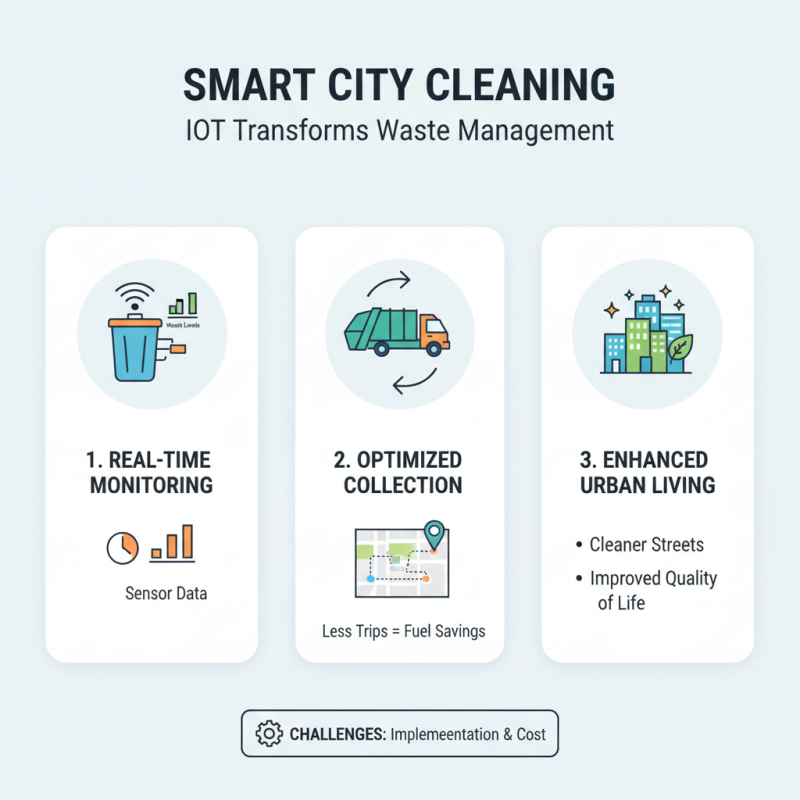
The integration of IoT into city cleaning strategies can transform waste management. Sensors installed in waste bins allow real-time monitoring of waste levels. This data can help optimize collection schedules and reduce unnecessary trips. Cleaner streets can enhance urban living, but the implementation can be challenging.
While real-time tracking technology offers many benefits, issues arise. Not all areas have equal access to IoT infrastructure. Some bins may not function correctly, leading to false data. When city workers rely on this data, they may underestimate the need for collection. The result? Overflowing bins and littered streets.
Addressing these imperfections should be a priority. Data integrity must be strengthened. Moreover, user feedback should be collected to improve systems continuously. By incorporating technology and community insights, cities can enhance their cleaning strategies. In this way, a cleaner, more sustainable environment can be achieved.