Top 10 Tips for Effective City Cleaning Strategies?
City cleaning is an essential aspect of urban living. A clean city enhances the quality of life for residents and attracts visitors. However, many challenges arise in maintaining cleanliness. Ineffective strategies can lead to littered streets and unkempt public spaces.
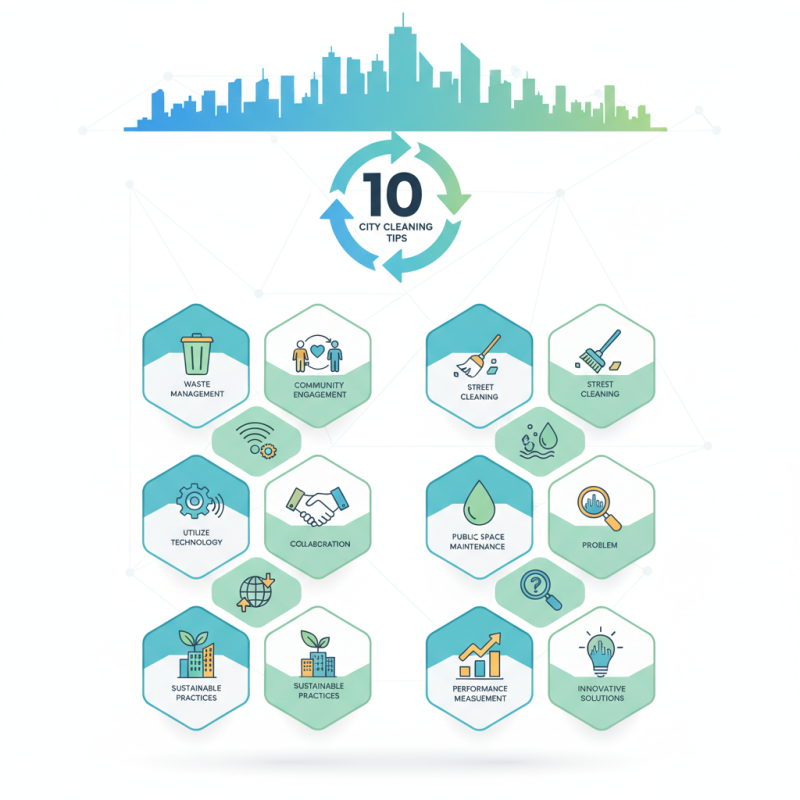
To address these issues, effective city cleaning strategies are crucial. Cities must find innovative ways to manage waste, engage the community, and utilize technology. Collaboration among residents, businesses, and local authorities is vital. A community-driven approach can foster a sense of responsibility and pride.
While advancements have been made, problems still exist. Are current methods enough? Are cities truly prioritizing cleanliness? These reflections are necessary for improvement. By exploring the top tips for effective city cleaning strategies, cities can pave the way for more sustainable and appealing urban environments.
Strategies for Assessing Urban Cleaning Needs using GIS Data
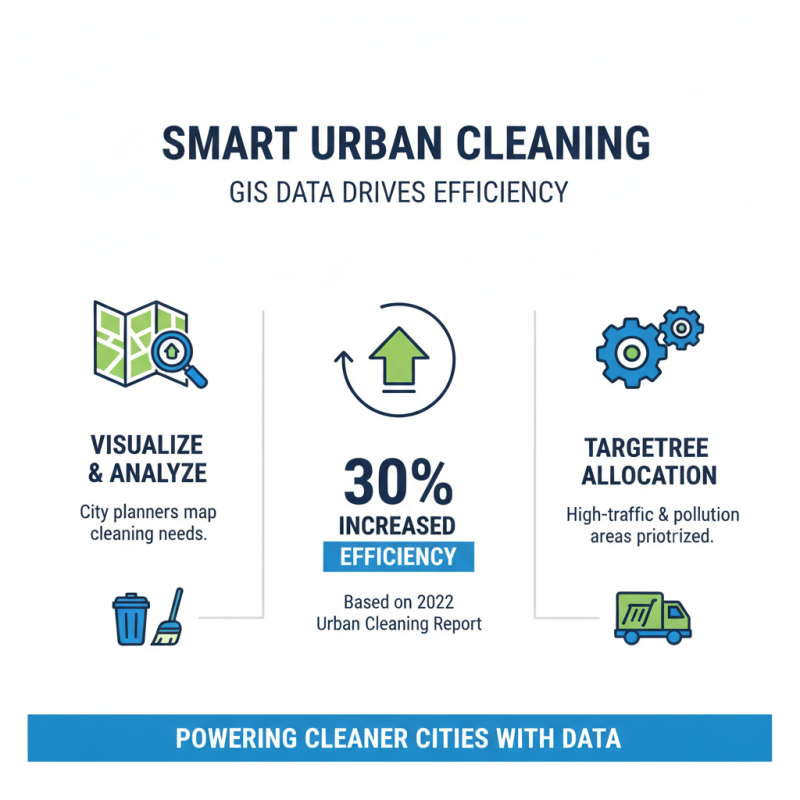
Urban cleaning strategies benefit significantly from the use of Geographic Information System (GIS) data. This technology allows city planners to visualize and analyze cleaning needs. According to the 2022 Urban Cleaning Report, cities that implement GIS data see a 30% increase in cleaning efficiency. Mapping areas with high foot traffic or pollution helps allocate resources effectively.
One tip for improving cleaning strategies is to prioritize areas based on data findings. Identify zones that require more frequent cleaning. Another suggestion is to utilize real-time data updates. By tracking litter accumulation, cities can respond quickly, enhancing cleanliness. Regular assessments are also crucial. Parks and busy streets often need more attention than residential areas.
While GIS provides valuable insights, challenges remain. Data discrepancies can lead to misinterpretations. Not all regions have equal access to this technology, which can create gaps in cleaning coverage. Continuous evaluation and adaptation of these strategies are necessary to meet changing urban needs.
Optimizing Resource Allocation for Efficient Waste Collection Routes
Effective city cleaning strategies hinge on optimizing resource allocation for waste collection routes. Inefficient routing can lead to increased fuel consumption and operational costs. According to the Waste Management Association, route efficiency can impact city budgets by up to 30%.
One approach to optimizing routes is using data analytics. Cities can analyze historical data to understand peak waste generation times. By adjusting collection schedules, municipalities can reduce unnecessary trips. Regularly updating these schedules based on real-time data also helps respond to changing patterns. It’s vital to involve local communities in this process. Engaging residents can lead to more effective waste management.
Another key tip is adopting technology to monitor waste levels in bins. This allows for targeted pickups rather than deploying trucks on traditional routes. A study from the Urban Institute states that implementing smart bin technology can decrease the number of collection trips by 20%. Cities might face challenges in initial technology integration, but the long-term savings are substantial. The focus should be on continuous improvement and adaptability in strategies for better outcomes.
Implementing Community Engagement for Improved Public Cleaning Practices
Community engagement plays a vital role in effective city cleaning strategies. When residents participate actively, a sense of ownership emerges. This connection often leads to cleaner neighborhoods. Organizing community clean-up events invites locals to join hands. Trash is picked up, and bonds are formed. These efforts enhance pride in public spaces.
Educating the community about waste management is crucial. Workshops can inform residents about recycling and proper disposal methods. Platforms for dialogue can also help. Residents might share their suggestions for better services. However, not every initiative succeeds. Some events may attract few participants, revealing a gap in outreach. Reflecting on these setbacks is necessary to improve future engagements.
Partnerships between local government and community groups can deepen these efforts. Collaborating on campaigns can yield creative solutions. Yet, understanding diverse community needs remains a challenge. Not all voices are heard equally. Listening carefully and adapting approaches can foster inclusivity. Improvement often requires acknowledging shortcomings and striving for better practices.
Utilizing Technology: Smart Sensors in City Cleaning Operations
Smart technology is transforming city cleaning operations.
Sensors are increasingly being integrated into waste bins and street sweepers. These devices monitor waste levels and air quality.
A recent report showed that smart sensors can reduce operational costs by 30%.
In cities struggling with budget constraints, this represents substantial savings.
Cities like San Francisco utilize smart waste management systems.
They have reported a 25% decrease in overflow incidents since implementation.
Data from these sensors aids in optimizing collection routes. This leads to reduced fuel consumption and lower greenhouse gas emissions.
However, some cities face challenges in infrastructure updates. Many older systems lack compatibility with new technologies.
Moreover, the reliance on technology requires regular maintenance.
Sensors can malfunction or provide inaccurate readings.
This can lead to missed pickups or unnecessary routes.
Addressing these issues is critical for ensuring efficiency.
Continuous investment in training personnel is also necessary. Cities must adapt to maintain these smart systems.
Balancing innovation with practicality remains a challenge for urban cleaning strategies.
Measuring the Impact of City Cleaning on Public Health and Environment
City cleaning has a profound impact on public health and the environment. Research indicates that well-maintained urban areas can reduce respiratory problems. According to the World Health Organization, proper waste management could prevent 1.6 million deaths annually worldwide. Clean streets promote physical activity, influencing overall community health.
Inadequate cleaning strategies lead to litter accumulation, attracting pests. These pests can spread diseases, posing risks to vulnerable populations. A study by the Environmental Protection Agency found that urban areas with high litter rates experience elevated levels of crime. Furthermore, neglected public spaces deter community engagement and can foster social isolation.
Effective city cleaning should focus on consistent evaluation. Using data analytics can enhance cleaning routes based on foot traffic and pollution levels. A report by the International Journal of Environmental Research emphasizes that cities attempting unique cleaning solutions often miss the mark due to lack of public involvement. Community feedback is crucial for identifying problem areas. Only through collaborative efforts can cities achieve cleaner, healthier environments for their residents.
Impact of City Cleaning on Public Health and Environment