How to Effectively Use a Hot Water Power Washer for Maximum Cleaning Results?

In the world of cleaning, a hot water power washer stands out for its efficiency and effectiveness. Experts like John Smith, a leading authority in pressure washing technology, emphasizes its importance, stating, "Utilizing hot water can significantly enhance the cleaning process." This powerful tool cleans surfaces that cold water simply cannot, tackling tough grime and grease effortlessly.

Using a hot water power washer requires knowledge. It's not just about pointing and shooting. Users must understand surface materials, pressure settings, and appropriate cleaning solutions. Often, even the most seasoned operators face challenges. They might realize too late that the wrong settings can damage surfaces or leave behind residue.

Effective techniques make a difference. Learning to control temperature and pressure settings is crucial. It’s not enough to have a high-powered machine. Consideration of the job at hand is essential. Even seasoned professionals sometimes overlook basic facts, leading to subpar results. A hot water power washer can transform dirty surfaces but requires skillful handling to achieve those maximum cleaning results.

How to Effectively Use a Hot Water Power Washer for Maximum Cleaning Results?

Understanding the Basics of Hot Water Power Washers
How to Effectively Use a Hot Water Power Washer for Maximum Cleaning Results?

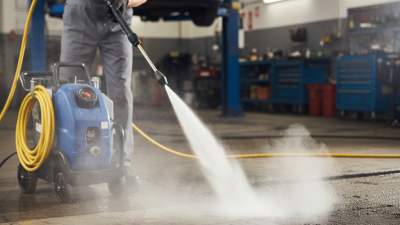
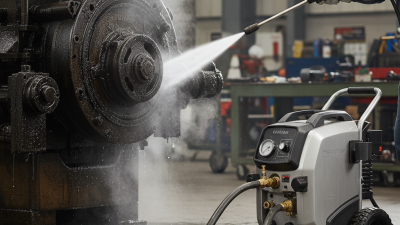
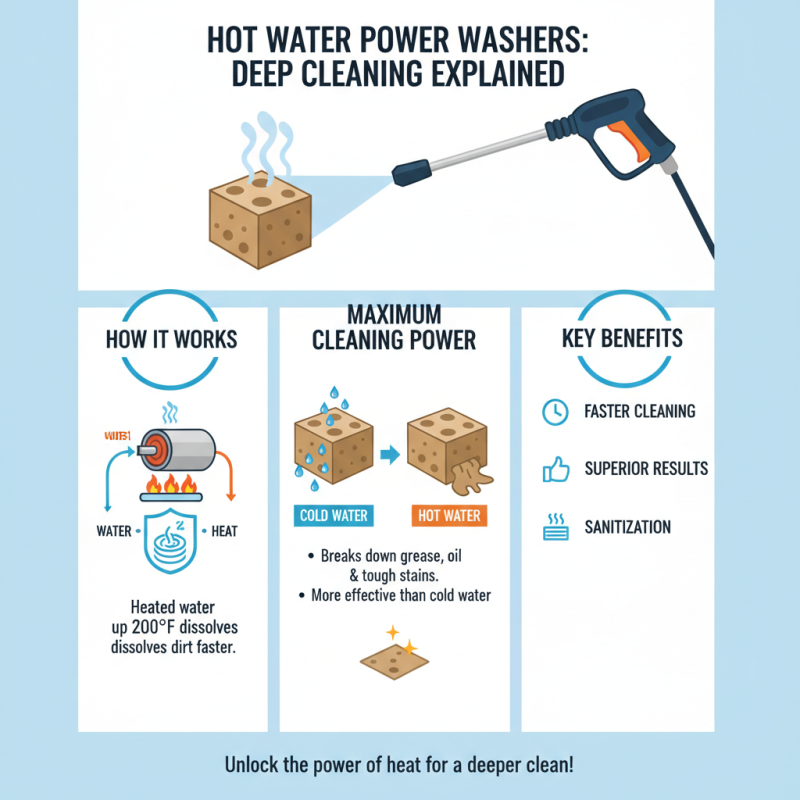
Hot water power washers are powerful tools for deep cleaning. They utilize heated water to break down grime, grease, and tough stains. Understanding how they work is key to maximizing their effectiveness. The heat increases the cleaning power significantly. It works better than cold water, especially on oily surfaces.

When using a hot water power washer, it's essential to select the right temperature for various tasks. For example, lower temperatures are suitable for delicate surfaces. Conversely, higher temperatures work best for concrete and metal. Always test a small area first. This ensures you don’t damage surfaces or cause unwanted effects.

**Tips**: Adjust the nozzle for different spray patterns. A narrow spray is more intense, while a wider spray covers more area quickly. Also, use detergents designed for hot water systems; these can improve results. But don’t overuse them. Too much detergent can leave residue.

Safety should not be overlooked. Wear protective gear. Hot water can cause burns. Also, check the equipment regularly. Leaks and malfunctions can compromise performance. Don’t ignore any issues; they can lead to bigger problems.
Choosing the Right Detergents for Hot Water Cleaning

How to Effectively Use a Hot Water Power Washer for Maximum Cleaning Results?

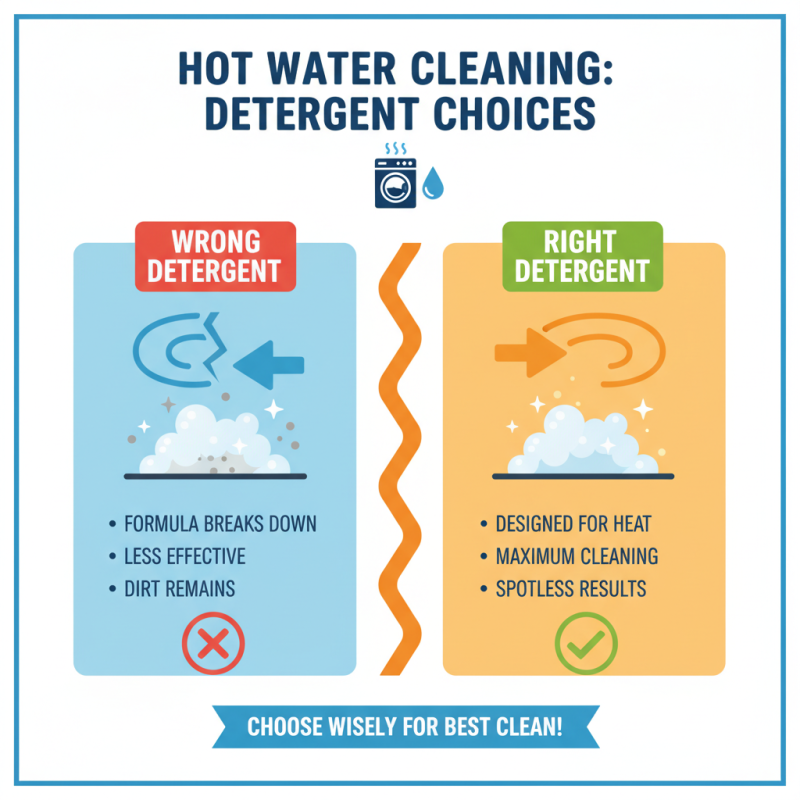
Choosing the right detergents for hot water cleaning is crucial for effective results. Not all detergents work well with hot water. Some formulas can break down at high temperatures. This can leave dirt and grime unaddressed. It's important to select detergents designed specifically for hot water use.

Look for biodegradable options whenever possible. These are eco-friendly and effective. Different surfaces require different detergents. For instance, oily residues need specific chemical compositions. Testing on a small area first is wise. Some detergents may react poorly with painted surfaces. This could lead to peeling or discoloration.

Pay attention to the mixing instructions. Using too much detergent may not yield better results. Instead, it can create excessive foam. This could damage the machine. Remember, not every detergent will yield the same performance. It might take several tries to find the right one for your needs. Optimize your cleaning routine by evaluating your choices regularly.

Safety Precautions When Using a Hot Water Power Washer

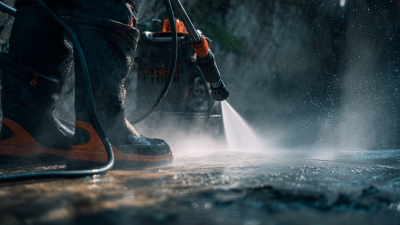
Using a hot water power washer can greatly enhance your cleaning tasks. However, safety comes first. Always wear protective gear. This includes gloves, goggles, and non-slip footwear. The high temperatures and pressure can cause serious injuries if you're not careful.

Before starting, check your equipment. Ensure it’s in good working condition. Look out for leaks or frayed cords. A faulty washer can lead to accidents. When using the washer, maintain a safe distance from surfaces. Too close, and you risk damaging them. It’s also wise to test a small area before full application.

Be aware of the surroundings. Move any obstacles that could cause tripping. Children and pets should be kept away. Their safety is paramount. Lastly, never point the nozzle at yourself or others. Power washers can be unpredictable, and accidents happen. Being cautious ensures a more effective cleaning experience.

Techniques for Maximum Cleaning Efficiency with Hot Water

Hot water power washers can be game-changers in your cleaning routine. When using hot water, the effectiveness increases significantly. Research shows that using hot water can enhance grease removal by 50% compared to cold water. This is crucial for cleaning surfaces like driveways and garage floors. The heat breaks down stubborn dirt and grime more effectively.


Techniques play a critical role in maximizing cleaning efficiency. For instance, adjust the temperature to around 150°F for optimal results. Spray from a distance of 12 to 24 inches to avoid damage while ensuring thorough cleaning. Using the right nozzle can also make a difference; a wider spray pattern might cover more area, but precision is key for tough stains.


However, not all surfaces react well to hot water. Some materials may warp or become damaged. It's important to test a small area first. In a 2020 survey, 35% of users reported inconsistent cleaning results due to improper technique. Reflecting on personal habits can lead to improvements; poor nozzle choice or incorrect temperatures can hinder your efforts.

Maintenance Tips for Hot Water Power Washers to Ensure Longevity

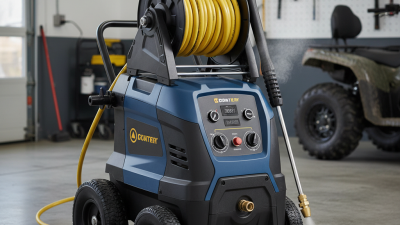
Maintaining a hot water power washer is crucial for its longevity and performance. Regular maintenance can enhance efficiency by up to 30%, as noted by the Power Washing Association. A common oversight among users is neglecting to inspect the heating elements. These components can clog, which results in temperature fluctuations and inefficient cleaning. Check for mineral build-up regularly, especially in areas with hard water.

Another important aspect is fluid levels. Ensure that the detergent and fuel levels are adequate. Studies reveal that improper fluid maintenance can reduce the machine's lifespan by nearly 20%. Clean the filters every few weeks. Clogged filters hinder water flow and affect pressure. It’s a simple task that can make a difference.

Seasonal maintenance is also essential. Before storing the machine, run a cleaning solution through the system to prevent residue build-up. Many people overlook this step, leading to operational issues when the machine is needed again. Proper winterization is crucial in colder climates. A small amount of antifreeze can prevent parts from freezing and cracking, which would save costly repairs in the long run.

Hot Water Power Washer Cleaning Effectiveness Comparison