Essential CNC Accessories You Need for Optimal Machining?
When working with CNC machines, having the right tools is crucial. Essential CNC Accessories can greatly enhance efficiency and precision. Each accessory plays a role in the machining process. Some accessories may seem minor, but their impact is significant.
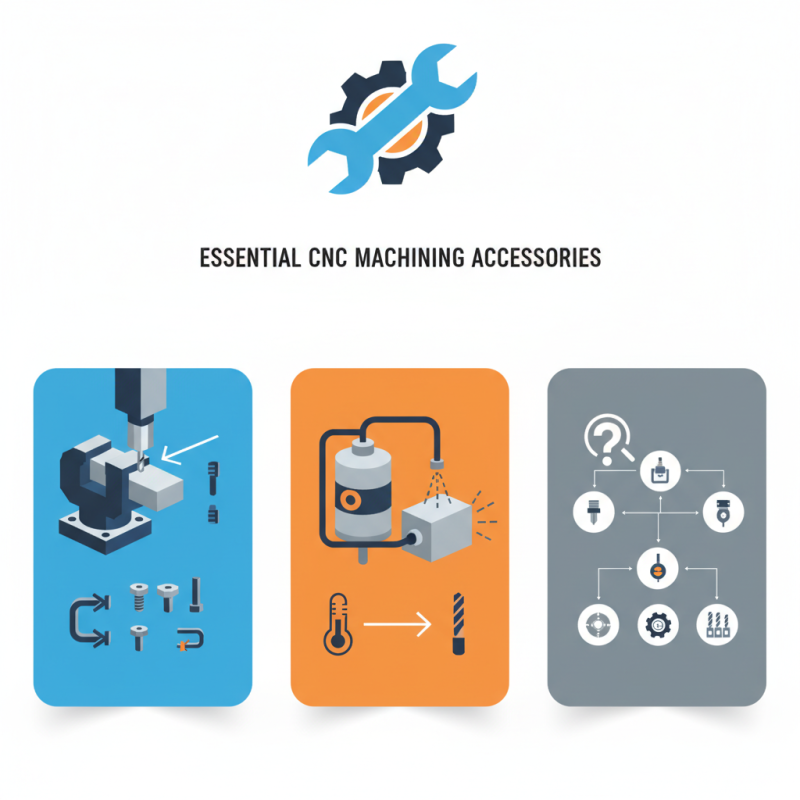
Consider, for example, tool vises and clamps. They provide stability and protection for your workpiece. This ensures accuracy during the machining process. However, many overlook the importance of investing in quality clamps. A poor clamp can lead to costly mistakes.
Additionally, coolant systems are vital for maintaining the temperature of both the machine and the material. Proper cooling extends the lifespan of your tools. Yet, not all CNC users understand the need for a reliable coolant setup. Identifying and acquiring the right CNC accessories can transform your machining experience. Take the time to evaluate what you truly need.
Key CNC Accessories for Enhanced Machining Precision
When it comes to CNC machining, accessories play a crucial role in achieving precision. A critical study by the Association for Manufacturing Technology revealed that inadequate tooling contributes to more than 60% of machining errors. This shows that selecting the right accessories can significantly enhance machining accuracy.
One essential accessory is the precision vice. A well-designed vice holds workpieces firmly while minimizing thermal expansion. This is vital since even slight movement can lead to dimensional errors. Additionally, using high-quality tool holders ensures that tools remain stable during operation. This reduces vibrations, which can degrade finish quality and impact tolerances.
Another valuable accessory is a probing system. Probes help in measuring workpieces in real-time, providing immediate feedback on dimensions. According to a report from the National Institute of Standards and Technology, using probes can improve part accuracy by up to 50%. However, not all CNC machines accommodate probing systems seamlessly, which may lead to unexpected complications.
Investing in the right accessories is essential, yet careful consideration is needed to avoid over-complicating setups.
Essential Cutting Tools for CNC Machines
When it comes to CNC machining, choosing the right cutting tools is crucial. These tools directly affect the quality of the final product. A sharp end mill can make precise cuts, while a dull one may cause burrs and inaccuracies. It’s vital to regularly inspect and replace tools as needed.
High-speed steel and carbide tools are popular choices. They offer durability and heat resistance, essential for longer life. However, many machinists overlook tool coatings that can enhance performance. A tool’s coating can help reduce friction and extend its lifespan. Without these coatings, tools may wear out faster than expected.
Choosing the right cutting tool isn’t always straightforward. Each material requires a specific tool to achieve the best results. Metal, wood, and plastics all have different needs. Experimenting with various tools can lead to mistakes, but those lessons are invaluable. Understanding the consequences of tool selection deepens skill and expertise.
Essential CNC Accessories You Need for Optimal Machining
| Accessory Type | Description | Material | Recommended Use |
| End Mills | Used for cutting and shaping materials. | Carbide | Aluminum and plastics machining. |
| Collets | Holds cutting tools firmly in place. | Steel | Precision milling. |
| Tool Holders | Securely hold tools during machining. | Aluminium or Steel | General machining applications. |
| Cutting Fluids | Lowers temperature and reduces friction. | Oil-based or Water-based | All machining operations. |
| CNC Software | Program CNC machines for various tasks. | Digital | Design and manufacturing processes. |
Crucial Workholding Solutions for CNC Setup
Workholding solutions play a pivotal role in CNC machining setup. They secure components firmly, preventing movement during machining. A stable hold helps to achieve precise cuts and shapes. Without proper workholding, parts can shift, leading to errors.
One crucial type of workholding solution is the vise. It grips workpieces tightly and allows for quick adjustments. However, selecting the right vise shape can be a challenge. Not all jobs require the same grip. Some pieces may need customized fixtures, and creating them can be time-consuming.
Another option is clamps, which are versatile for various applications. They can be adjusted to fit different sizes and shapes. But beware: using improper clamp techniques can damage components. Another area to reflect on is aligning the workpiece. Misalignment can lead to wasted materials and increased production time. Choosing the right workholding solutions requires thought and experience in CNC setups.
Vital Tool Measuring Instruments for Accurate Machining
Accurate machining is critical for achieving high-quality results. One key aspect is using reliable measuring instruments. Calipers, micrometers, and gages help ensure precise dimensions. Each tool serves a unique purpose. A caliper can measure internal and external dimensions effectively. Micrometers provide even tighter tolerances. Gages can quickly check existing parts for consistency.
Despite their importance, selecting the right tools can be challenging. Many machinists overlook smaller, yet crucial instruments. For example, a depth gage may seem unimportant, but it can improve part accuracy significantly. Regularly checking calibration is essential. A small error in measurement can lead to larger problems in production. It's vital to maintain a consistent routine.
Understanding the limitations of each tool is crucial. No instrument is perfect. Even the finest tools can wear down or become inaccurate. Being aware of these imperfections helps machinists adapt. Developing a keen eye for detail is essential. Investing time in learning to use tools properly pays off in the long run. Consideration of wear and calibration should not be ignored.
Must-Have Safety Gear for CNC Operating Environment
In a CNC operating environment, safety gear is essential. Operators face various risks, including flying debris and harmful noise levels. Proper attire significantly mitigates these dangers. Safety glasses protect your eyes from sharp particles. Ear protection is crucial, too, as machines can reach hazardous noise levels.
Gloves are a common necessity, but not all gloves are suitable for CNC work. The right gloves provide a grip while allowing dexterity. Be cautious, however, as improperly fitted gloves can lead to entanglement. Steel-toed boots are another vital piece of equipment. They shield your feet from heavy objects that may fall.
Wearing high-visibility clothing can also enhance safety. It makes operators stand out in busy workshops. You might think it’s unnecessary, but a visible presence can prevent accidental collisions. Regularly assessing your safety gear for wear and tear is important. Overlooking this can pose serious risks. Every piece of safety equipment should fit correctly and be comfortable to ensure consistent use. Always reflect on your gear and adapt as needed for a safer working environment.
Essential CNC Accessories for Optimal Machining