Top Pressure Washing Supplies You Need for a Perfect Clean?
When it comes to achieving a pristine exterior, the right pressure washing supplies are essential. According to a recent industry report, the pressure washing market is expected to reach $1.7 billion by 2027, highlighting the growing demand for effective cleaning solutions. Homeowners and professionals alike rely on top-notch supplies to enhance their cleaning results.
Selecting the right tools can be overwhelming. Each piece of equipment has its role. Quality pressure washers, nozzles, and detergents make a significant difference in the cleaning process. However, it's crucial to recognize that not all supplies are created equal. Inadequate or unsuitable products can lead to unsatisfactory results and environmental concerns.
Investing in reliable pressure washing supplies ensures efficiency. It's essential to choose products backed by credible manufacturers. Yet, the temptation to opt for cheaper alternatives can be strong. Such choices may lead to mistakes and regrettable outcomes. Therefore, understanding the specific needs of your project is vital for making informed decisions.

Essential Pressure Washing Equipment for Every Professional
Pressure washing is an essential service for various industries. Investing in the right supplies is crucial for efficiency and effectiveness. According to recent reports, over 60% of professional pressure washers emphasize the importance of quality equipment. This statistic highlights a trend: effective tools lead to superior cleaning results.
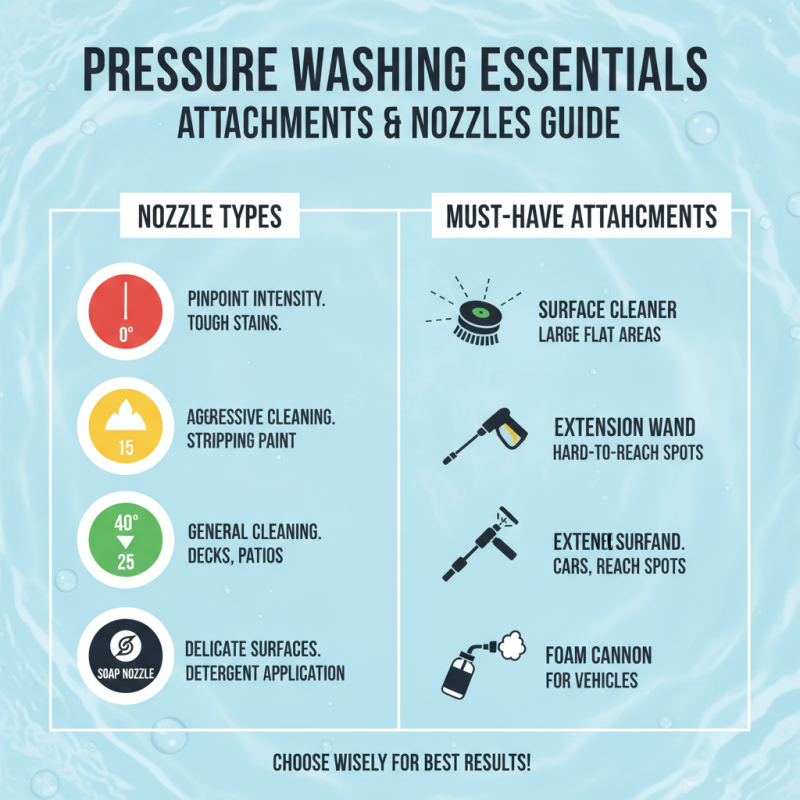
Key equipment includes high-pressure washers, nozzles, and surface cleaners. A standard gas pressure washer can generate up to 4000 PSI, making it suitable for tough surfaces. Additionally, nozzles with varying degrees (0°, 15°, 25°, and 40°) enable tailored cleaning for different tasks. Many professionals also recommend investing in a surface cleaner attachment. It can reduce cleaning time by up to 40%. That's significant for high-demand jobs.
However, not all equipment is perfect. Some machines may overheat after extended use. This issue can lead to downtime and increased costs. Proper maintenance is vital, yet often overlooked. Daily checks of hoses and connections are crucial for safety and longevity. Investing in quality pressure washing supplies can yield impressive results, but understanding their limitations is equally important.
Types of Pressure Washers: Choosing the Right One for Your Needs
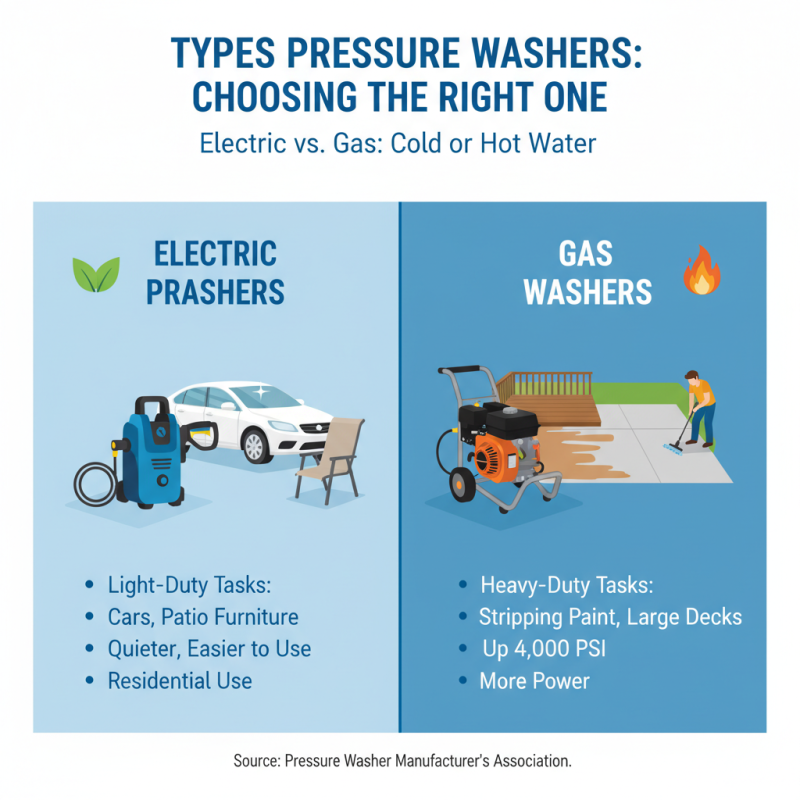
When selecting a pressure washer, it's vital to consider your specific needs. Pressure washers come in various types: electric, gas, and cold or hot water models. Electric pressure washers are great for light-duty tasks, like cleaning cars or patio furniture. They are generally quieter and easier to use, making them perfect for residential use. Gas-powered models, however, pack more power. According to the Pressure Washer Manufacturer's Association, gas units can generate up to 4,000 PSI, allowing them to tackle tough tasks like stripping paint or cleaning large driveways and decks.
Choosing between cold and hot water pressure washers is another important decision. Cold water units are effective for grime and dirt removal. They are more commonly used for home and light commercial jobs. Hot water washers, on the other hand, excel at breaking down oil and grease. According to industry surveys, 95% of commercial cleaners use hot water for industrial cleaning tasks. Remember, not all pressure washers are created equal. Always evaluate what you intend to clean to avoid a mismatch in power and application. A powerful machine is not always necessary for small clean-ups. Consider your cleaning routine carefully to choose the most suitable washer for your needs.
Must-Have Attachments and Nozzles for Effective Pressure Washing
The right attachments and nozzles are essential for effective pressure washing. Various nozzles can greatly influence performance. Standard pressure washer nozzles typically range in size from 0 to 40 degrees. Each size determines the water spray pattern. A narrow spray provides intense cleaning power for tough stains, while a wider spray covers larger areas efficiently.
According to a report from the Pressure Washer Manufacturers Association, using the correct nozzle size can increase cleaning efficiency by up to 50%. This is critical for both residential and commercial cleaning tasks. For example, a rotary nozzle enhances cleaning by creating a spinning action. This results in a more effective clean on surfaces like driveways and sidewalks.
Though many pressure washers come with basic attachments, professionals often invest in specialized tools. Surface cleaner attachments are popular for large flat areas. They save time but require careful adjustment to avoid streaks or damage. Adopting the wrong attachment can lead to unsatisfactory results, showcasing the need for continuous evaluation of equipment choices. Balancing efficiency with care for surfaces is vital in preventing potential missteps.
Cleaning Solutions: Chemicals and Soaps for Various Surfaces
Cleaning surfaces effectively requires the right chemicals and soaps. A recent industry report revealed that using the correct cleaning agents can improve surface cleaning efficiency by over 50%. Different surfaces need tailored solutions for optimal results. For example, concrete surfaces often require stronger detergents, while delicate wood surfaces benefit from milder soaps.
When using cleaning solutions, it’s crucial to follow manufacturer instructions. Concentrations matter. Using too much soap can leave residues that attract dirt. In contrast, too little might not eliminate grime effectively. Many cleaning professionals recommend testing a small area first to ensure compatibility.
Tip: Always use protective gear when handling chemicals. This simple step can prevent skin irritations and respiratory issues. Additionally, never mix different cleaning agents unless advised. Some combinations can produce harmful fumes. Pay attention to safety warnings on product labels for best practices.
Safety Gear and Precautions for Safe Pressure Washing Practices
Pressure washing is an effective way to clean surfaces. However, it requires safety precautions to prevent accidents. According to industry reports, over 30,000 injuries occur yearly due to improper use of pressure washing equipment. Therefore, safety gear is essential.
Wearing protective eyewear can prevent serious eye injuries from debris. Gloves protect against chemical exposure and skin abrasions. Footwear should be slip-resistant to avoid falls on wet surfaces. The right gear reduces risks but does not eliminate them. Anyone unfamiliar with pressure washing may underestimate the machine's power.
Additionally, users should be aware of their surroundings. A thorough assessment before starting can help identify hazards. Keep bystanders at a safe distance. Many accidents happen because people are not cautious enough. Remember, pressure washing can cause damage to surfaces and injuries to individuals if not handled properly. It’s crucial to balance efficiency with safety for a successful cleaning experience.