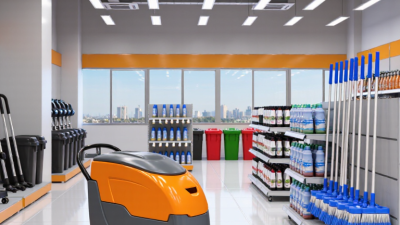
What is the best cleaning machine in 2026? The honest answer depends on the surface, the mess, and how often the machine will be used. A compact home vacuum has different demands from a scrubber-dryer working across a supermarket floor. Even within one home, dried coffee on tile and dust trapped in carpet call for different tools. No single specification tells the whole story.
Industry research helps explain why choice matters. Grand View Research’s Cleaning Equipment Market analysis tracks product categories, demand, and market trends, while Statista’s market reporting offers a broader view of household cleaning appliances. These reports describe a varied market, not a universal winner. For practical comparisons, buyers should look beyond advertised power and examine measured pickup, water use, runtime, noise, maintenance, and replacement-part availability. Test conditions matter, too: a machine can look impressive on a showroom floor and still struggle with a narrow hallway or sticky kitchen grout.
Design offers another useful lens. James Dyson, vacuum inventor and founder of Dyson, has said, “Enjoy failure and learn from it. You can never learn from success.” His remark is not a cleaning-machine test result, but it points toward a sound buying habit: question bold claims and check performance against real tasks. Small details count. A heavy tank, a clogged brush roll, or a hard-to-find filter can turn daily cleaning into a chore. This guide compares leading machine types and explains which features matter most, while recognizing that the best choice may be less powerful, less expensive, and simply easier to use.
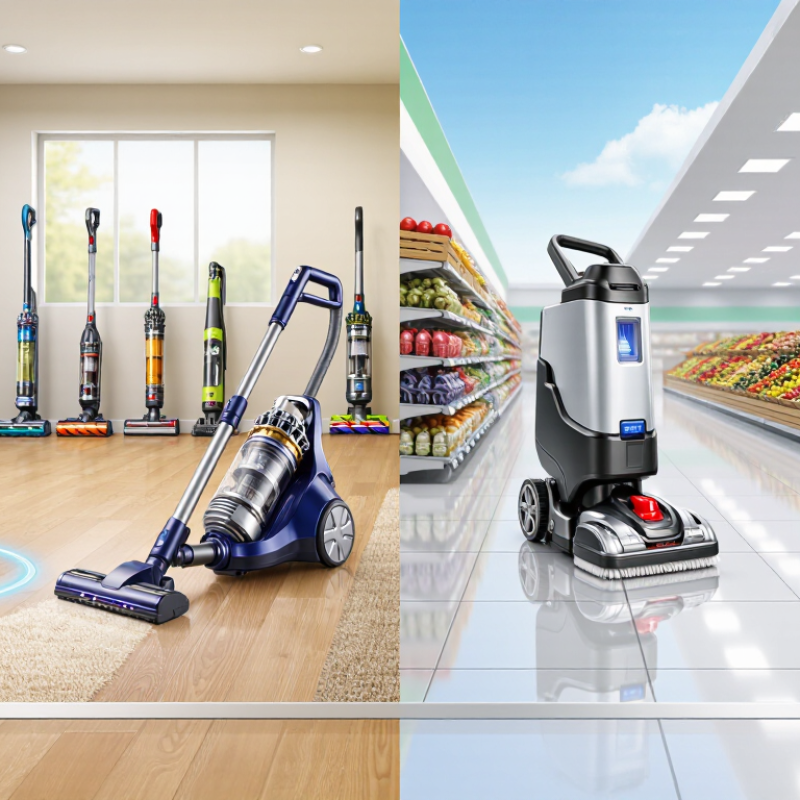
A cleaning machine is powered equipment that removes soil, dust, or liquid from a surface. The term covers familiar vacuums and floor scrubbers, plus carpet extractors and sweepers. Each works differently. A vacuum pulls loose particles into a collection bin; an autoscrubber applies solution, brushes the floor, and recovers dirty water. The machine does not replace good technique. The right choice depends on floor material, room size, soil type, and how often the area is cleaned. That distinction is easy to miss.
The market is broad, not a single product category. Grand View Research valued the global commercial cleaning equipment market at USD 11.9 billion in 2023 and projected 6.3% annual growth from 2024 to 2030. In the United States, the Bureau of Labor Statistics reported about 2.4 million janitor and building cleaner jobs in 2022, showing the scale of settings where equipment is used. A machine’s job is usually to clean, not disinfect: the CDC explains that cleaning removes dirt and many germs, while disinfection targets germs remaining on surfaces. Read the task label carefully. A polished floor can still hold residue, and excess water can create a slip risk. No machine fits every room.
Cleaning machines come in several distinct types. Upright and canister vacuums handle dust, crumbs, and dry debris on floors and upholstery. Wet-dry extractors wash carpet fibers and recover dirty water, while scrubber-dryers clean hard floors with rotating brushes and suction. Steam cleaners loosen grime with heated water vapor, but they are not suitable for every surface. Pressure washers serve outdoor areas, where controlled water flow can remove mud from paving.
For larger buildings, autonomous floor-cleaning robots can follow mapped routes; manual scrubbers still suit tight corners and cluttered rooms. The International Federation of Robotics’ World Robotics 2024 report recorded about 205,000 professional service robots sold in 2023, 30% more than in 2022. That total spans many industries, so it does not represent cleaning machines alone. Still, it shows automation gaining ground. Small spaces matter.
Selection depends on the soil, floor material, area, and available storage. A compact vacuum may be enough for daily dry debris, while a scrubber-dryer suits broad, sealed floors. Check tank capacity, noise, filtration, battery runtime, and how easily brushes can be cleaned. These details affect everyday use. A short on-site trial can reveal awkward turns, streaks, or a machine that is simply too heavy for staff.
Which types of cleaning machines are available? Compare common machine types by how well they typically suit different cleaning tasks.
Ratings are a general qualitative guide from 1 (limited suitability) to 5 (high suitability), not standardized test results. Actual performance varies by model and surface. The best machine depends on the job: vacuums handle dry debris, extractors deep-clean carpets, scrubber-dryers wash hard floors, and pressure washers tackle outdoor surfaces.
A cleaning machine’s performance depends on more than motor power. Suction matters for dust and grit, while brush design affects how well it lifts hair from carpet. On hard floors, controlled water flow and effective pickup help prevent streaks and damp patches. A machine that excels on one surface may struggle on another.
Look at cleaning results, not just specifications. Try a slow pass over a small area with tracked-in soil, then check the edges and corners. Notice whether debris remains near the wall, or whether dirty water is left behind. That matters. Battery runtime, tank size, and noise also shape everyday performance, especially in larger homes. A strong machine can still be inconvenient if it needs frequent refills.
Maintenance is part of the comparison, too. Removable filters and accessible brush rolls make it easier to clear hair and rinse residue. Check whether parts dry quickly; lingering moisture can cause unpleasant odors. Not always. Test claims against your own floors and cleaning habits, because advertised results may not match a crowded room or stubborn dried spills. Even careful comparisons have limits: soil, flooring, and technique can change what you observe.
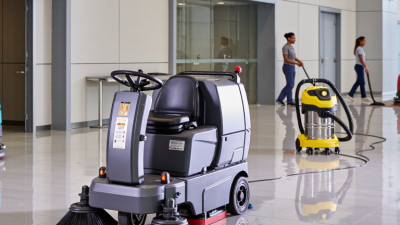
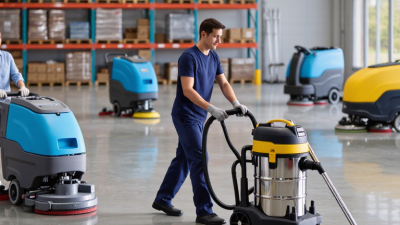
When comparing cleaning machines, start with the surface and the mess, not the biggest motor. A scrubber for a warehouse needs steady traction, a wide cleaning path, and reliable water recovery. In a narrow hallway, maneuverability may matter more. Check whether brushes, filters, and tanks can be reached without tools. Small delays add up during a shift.
Energy and operator comfort deserve equal attention. The U.S. EPA’s ENERGY STAR program reports that certified commercial vacuums use about 40% less energy than conventional models. That figure applies to vacuums, not every floor-cleaning machine, so compare like with like. Inspect noise ratings, handle adjustment, turning effort, and battery runtime under working conditions. A long advertised runtime means little if the machine slows on damp, gritty floors. Test it there.
For healthcare or food-service settings, check solution compatibility and dispensing accuracy. CDC environmental-cleaning guidance stresses following disinfectant label contact times; a machine cannot replace that step. Ask how evenly it applies solution and how much liquid remains on the floor. Wet patches matter. I would also compare water use, recovery performance, service access, and parts availability. Specs can look neat on paper. A short trial on your own floor often reveals what the brochure misses.
What Is the Best Cleaning Machine in 2026?
How Can You Choose a Cleaning Machine for Your Needs?
Choosing a cleaning machine starts with the mess you face most often. Fine dust, wet spills, pet hair, and greasy floors need different tools. A compact vacuum may suit a small apartment with rugs and hard floors. For sticky kitchen marks, a floor washer can save effort, but it needs regular rinsing. Check which surfaces it can handle. Some machines may scratch delicate finishes or leave too much moisture behind.
Think about storage, weight, and maintenance before comparing power ratings. Measure the cupboard or closet where the machine will live. A heavy unit can feel tiring on stairs, even if its cleaning results are strong. Look for clear instructions on filter washing, brush removal, and replacement parts. Noise matters too, especially in shared homes. Estimate the full cost of use, including filters and cleaning solution. Not just the purchase price. If possible, test the handle and controls in person; specifications rarely show how awkward a machine feels. I would not choose by suction numbers alone. One overlooked detail can change the choice.
| Machine type | Best suited for | Suitable surfaces | Cleaning method | Main advantages | Key limitations | Typical upkeep |
|---|---|---|---|---|---|---|
| Upright vacuum | Homes with substantial carpet and frequent dry debris | Carpet; many models also clean hard floors | Brush roll and suction collect dry dirt into a bag or bin | Often offers a wide cleaning head and a large dust capacity | Can be bulky on stairs and difficult to store in small spaces | Empty the bin or replace the bag; clean filters and remove hair from the brush roll |
| Canister vacuum | Mixed flooring, stairs, and cleaning under furniture | Hard floors and carpet, depending on the floor head | A hose and floor tool draw dry debris into a separate canister | Flexible reach; many designs are easy to maneuver around furniture | The hose and canister need to be moved together and stored | Empty the bin or replace the bag; inspect the hose, filters, and floor head |
| Cordless stick vacuum | Quick cleanups and homes where easy carrying matters | Hard floors and low- to medium-pile carpet, depending on the model | Battery-powered suction, often with a powered floor head | Lightweight, cordless, and convenient for spot cleaning | Runtime is limited by battery charge and power setting; bins are often smaller than those on full-size vacuums | Recharge the battery; empty the bin and clean filters and brush roll as directed |
| Robot vacuum | Routine maintenance cleaning between hands-on sessions | Mostly open hard floors and low-pile rugs; performance varies by design | Moves autonomously while brushing and suctioning dry debris | Can clean on a schedule and reach beneath some furniture | May miss corners or struggle with clutter, cords, thresholds, and some rugs; does not replace detailed cleaning | Empty the dust bin; remove hair from wheels and brushes; clean sensors as instructed |
| Steam mop | Cleaning sealed hard floors when steam is approved by the flooring maker | Certain sealed tile, stone, or other compatible hard floors | Heated water produces steam that is applied through a cleaning pad | Uses water rather than a bucket of cleaning solution for routine floor cleaning | Not suitable for every floor; excess heat or moisture can damage some wood, laminate, or unsealed surfaces | Wash or replace pads; empty and maintain the water tank according to instructions |
| Carpet extractor | Periodic deep cleaning of carpet and some upholstery | Carpet and upholstery specifically approved for the machine | Applies cleaning solution and water, agitates fibers, then extracts liquid and soil | Designed to remove embedded soil and liquid from fabric surfaces | Requires filling and emptying tanks; carpets need time to dry and should not be overwetted | Rinse tanks and cleaning components; clean the nozzle and allow parts to dry |
| Floor scrubber-dryer | Large hard-floor areas in commercial or institutional settings | Compatible hard floors, such as suitable sealed concrete or tile | Scrubs with a brush or pad, dispenses cleaning solution, and collects dirty water | Combines scrubbing and liquid recovery over broad floor areas | Typically larger, costlier, and less practical for small homes; floor compatibility matters | Empty and rinse tanks; clean brushes, pads, and recovery components after use |
Selection note: The best machine depends on floor type, cleaning frequency, home or facility size, storage space, and maintenance preferences. Features and performance vary between models; check the machine manual and flooring manufacturer's care instructions before use.