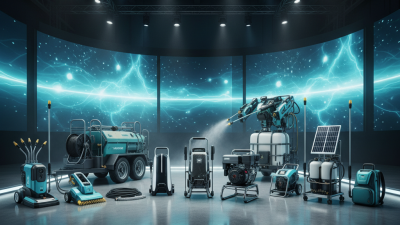
What is a High Pressure Washer and How Does It Work
The high pressure washer has emerged as an
indispensable tool in various industries, revolutionizing the way we clean surfaces.
According to a report by Market Research Future, the global pressure washer market is projected to reach
$2.3 billion by 2025, reflecting a burgeoning demand for
efficient and eco-friendly cleaning solutions. These powerful machines work by utilizing a
high-pressure water spray to remove dirt, grime, mold, and other contaminants from surfaces, making them particularly
popular in sectors such as automotive, construction, and agriculture.
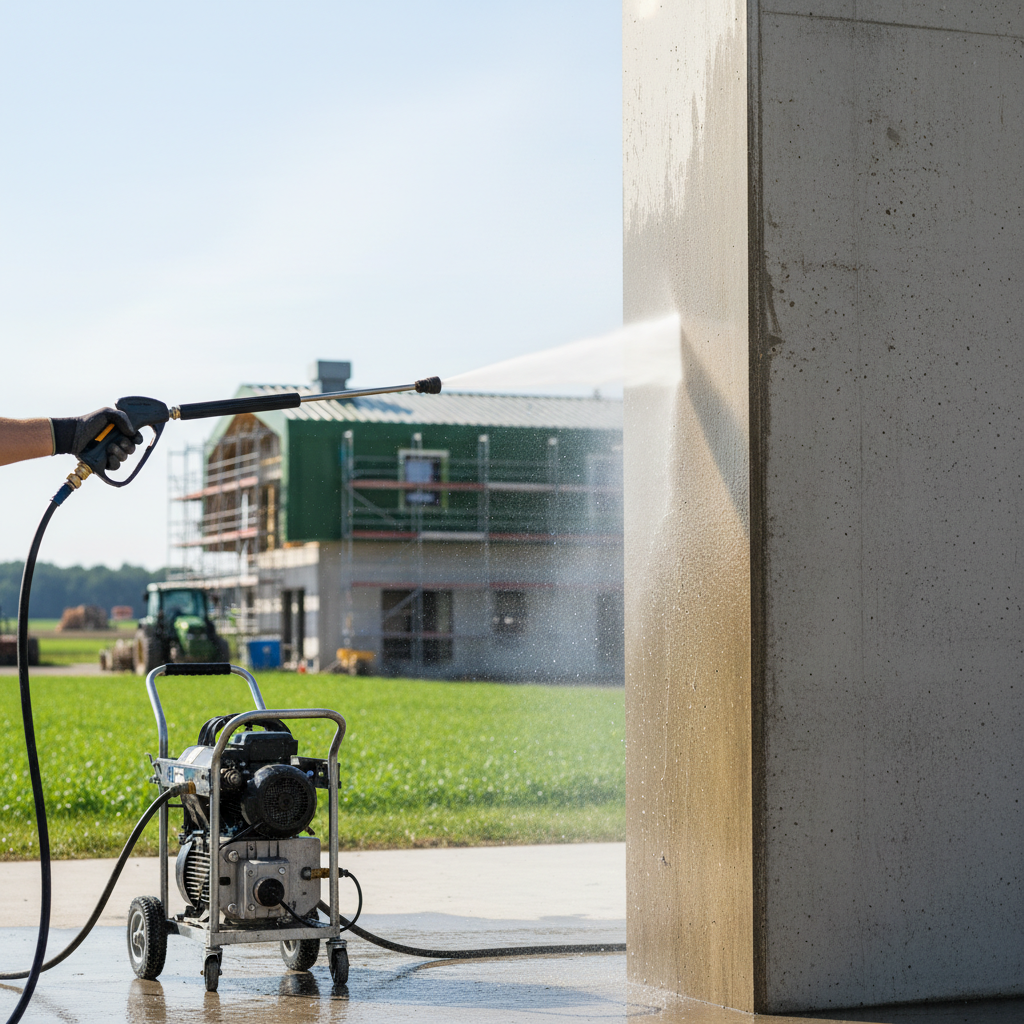
Understanding how a high pressure washer functions can illuminate its vast applications and advantages. By pressurizing
water to levels that can exceed 4,000 PSI (pounds per square inch), these devices
enhance the cleaning process, significantly reducing the time and effort required for industrial and residential tasks
compared to traditional cleaning methods. As environmental concerns rise, high pressure washers also offer a sustainable
option, often utilizing less water than conventional washing techniques while achieving superior results.
As such, they not only increase efficiency but also promote responsible resource use
in today's cleaning practices.
What is a High Pressure Washer?
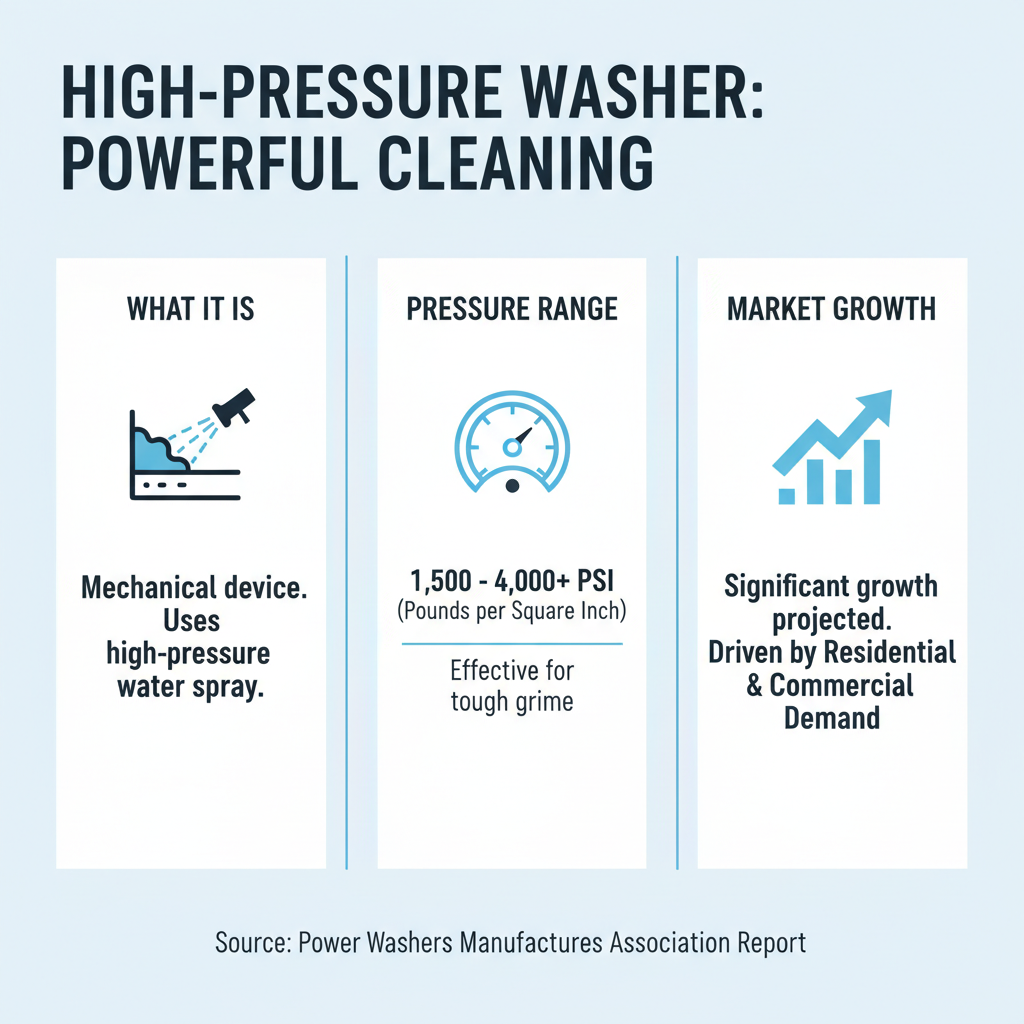
A high pressure washer, also known as a pressure cleaner, is a mechanical device designed to clean surfaces using high-pressure water spray. These machines can generate pressures ranging from 1,500 to over 4,000 psi (pounds per square inch), making them effective for various cleaning tasks, such as removing grime, dirt, mold, and grease from outdoor surfaces. According to a report by the Power Washers Manufacturers Association, the market for pressure washers is projected to grow significantly, driven by robust demand in both residential and commercial sectors.
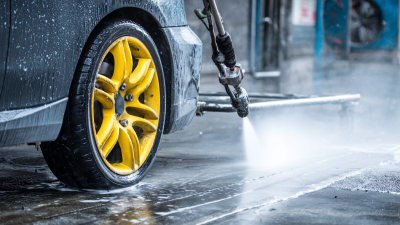
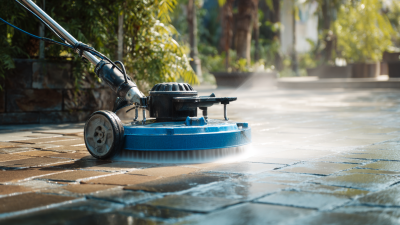
Utilizing a high pressure washer can significantly reduce cleaning time and improve the effectiveness of the task at hand. For instance, they are often employed in cleaning sidewalks, patios, vehicles, and even buildings. The mechanism involves a motor that powers a pump, which draws water from a source and expels it through a nozzle at high pressure. This concentrated spray easily dislodges stubborn materials that conventional cleaning methods may struggle to remove.
Tips: When using a high pressure washer, always start with a lower pressure setting to avoid damaging surfaces, especially delicate materials like wood or paint. Additionally, maintain a safe distance from the surface being cleaned—typically, a distance of 2-3 feet is recommended. Regular maintenance of the washer, including checking hoses and nozzles, ensures optimal performance and longevity of the equipment.
Key Components of a High Pressure Washer
A high pressure washer is an essential tool for various cleaning tasks, effectively removing dirt, grime, and stains from surfaces. At the core of its functionality are key components that work in unison to deliver powerful cleaning results. Understanding these components can help users optimize their pressure washing experience.
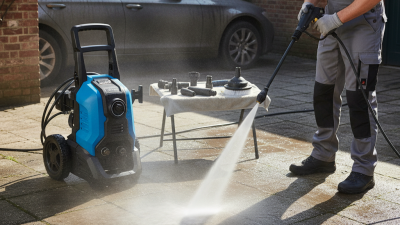
The pump is the heart of a high pressure washer, responsible for drawing in water and pressurizing it to create a powerful jet. Different types of pumps, such as axial and triplex pumps, vary in efficiency and durability. Another vital component is the motor, which can be electric or gas-powered, providing the energy needed to operate the pump. Additionally, the spray wand and nozzles play a crucial role in directing the water flow. Various nozzle types allow users to adjust the spray pattern and pressure according to cleaning needs, whether it’s a wide spray for gentle surface cleaning or a narrow jet for tough stains.
Lastly, the water inlet and hose facilitate the flow of water into the washer, while the detergent tank enables the use of cleaning agents for enhanced effectiveness. Together, these components are designed to work seamlessly, ensuring that a high pressure washer can tackle a wide range of cleaning tasks with efficiency and ease.
How High Pressure Washers Generate Pressure
High pressure washers, also known as pressure cleaners, utilize a powerful motor to generate high-pressure water streams for cleaning various surfaces. The heart of this cleaning device is its pump, which plays a crucial role in converting the motor's energy into hydraulic energy. This process begins when water from a source, such as a garden hose, enters the washer. The pump then compresses this water, increasing its pressure significantly, sometimes reaching levels over 3,000 PSI (pounds per square inch).
The generation of high pressure is primarily achieved through a mechanism called the piston or diaphragm. In piston-driven washers, a piston moves back and forth in a cylinder, drawing water in and forcing it out at high pressure. Diaphragm pumps, on the other hand, utilize a flexible diaphragm to create pressure. Once the water is pressurized, it is expelled through a narrow nozzle, which further increases its velocity. This high-velocity jet of water effectively removes dirt, grime, and even tough stains from surfaces like driveways, patios, and vehicles, making high pressure washers invaluable tools for deep cleaning tasks.
Pressure Generated by High Pressure Washers
This chart displays the maximum pressure generated by different types of high pressure washers measured in PSI (Pounds per Square Inch). Electric washers generally produce lower pressure, while gas and industrial models can achieve significantly higher pressures, suitable for tougher cleaning tasks.
Effective Cleaning Techniques Using High Pressure Washers
High pressure washers are powerful machines designed to clean a variety of surfaces effectively by using high-pressure water jets. These tools can tackle dirt, grime, mold, and stubborn stains that standard cleaning methods often struggle against. Using a high pressure washer involves directing the water jet at the surface to be cleaned, which helps to dislodge debris and contaminants with amazing efficiency.
When utilizing a high pressure washer, it's important to adopt effective cleaning techniques to ensure optimal results. Begin with a thorough assessment of the surface you wish to clean to determine the appropriate pressure setting. For delicate areas, such as painted surfaces or fragile materials, a lower pressure may be necessary to avoid damage. It’s advisable to start with a wider spray angle and gradually narrow down for concentrated cleaning as needed.
**Tips:** Always wear protective gear, including goggles and gloves, to safeguard yourself from flying debris. Additionally, maintain a steady motion while cleaning, keeping the nozzle at a consistent distance from the surface—you'll achieve better results and reduce the risk of surface damage that can occur with uneven pressure application.
What is a High Pressure Washer and How Does It Work - Effective Cleaning Techniques Using High Pressure Washers
| Feature |
Description |
Benefits |
Common Uses |
| Pressure Rating |
Typically ranges from 1300 to 4000 PSI |
Effective in removing tough stains |
Driveways, patios, decks |
| Water Flow Rate |
Measured in GPM (gallons per minute) |
Aids in rinsing off dirt and detergent |
Washing cars, siding cleaning |
| Power Source |
Electric or gas powered |
Flexible use for various settings |
Residential and commercial cleaning |
| Nozzle Types |
Different spray patterns (0°, 15°, 25°, 40°) |
Customizable cleaning for different surfaces |
Detailing vehicles, cleaning delicate surfaces |
| Chemical Injection |
Add detergents for enhanced cleaning |
Breaks down heavy grease and grime |
Heavy-duty outdoor cleaning |
Safety Precautions When Operating a High Pressure Washer
When operating a high pressure washer, adhering to safety precautions is paramount to prevent accidents and injuries. According to the U.S. Consumer Product Safety Commission (CPSC), the improper use of pressure washers can lead to over 6,000 injuries annually, with many cases resulting from reckless handling or lack of protective gear. Wearing appropriate safety equipment, including goggles, gloves, and non-slip footwear, is essential to safeguard against high-pressure water jets and debris that may be dislodged during cleaning.
Additionally, it is critical to maintain a safe distance from surfaces while using a pressure washer. The American Society for Testing and Materials (ASTM) recommends maintaining at least a 2-foot distance from the target area to minimize the risk of damaging surfaces and reducing the chance of injuries. Users should also be trained on the proper handling of electrical cords and fuel sources, as faulty equipment can result in electric shock or fire hazards. Regular maintenance checks, along with following manufacturer guidelines, can greatly enhance safety while utilizing these powerful cleaning devices.