What is a Hot Water Power Washer and How Does It Work?
In the world of cleaning equipment, a hot water power washer stands out. This machine is designed to tackle the toughest grime and dirt using heated water. According to industry expert John Miller, “Hot water power washers provide efficiency that cold water simply cannot match.” This statement reflects the advantages these machines bring to both commercial and residential use.
Hot water power washers utilize high temperatures to enhance cleaning efficacy. The heat not only helps dissolve grease but also kills germs and bacteria. This makes them essential for restaurants, auto shops, and even homeowners tackling stubborn stains. Yet, potential users often overlook their capabilities.
One must also consider the energy consumption of a hot water power washer. While they offer superior results, the operational costs can increase significantly. This poses a question: Is the performance worth the price? Balancing efficiency with cost-effectiveness is crucial for users. Ultimately, understanding how a hot water power washer functions can lead to better maintenance decisions and a clearer cleaning strategy.
What is a Hot Water Power Washer?
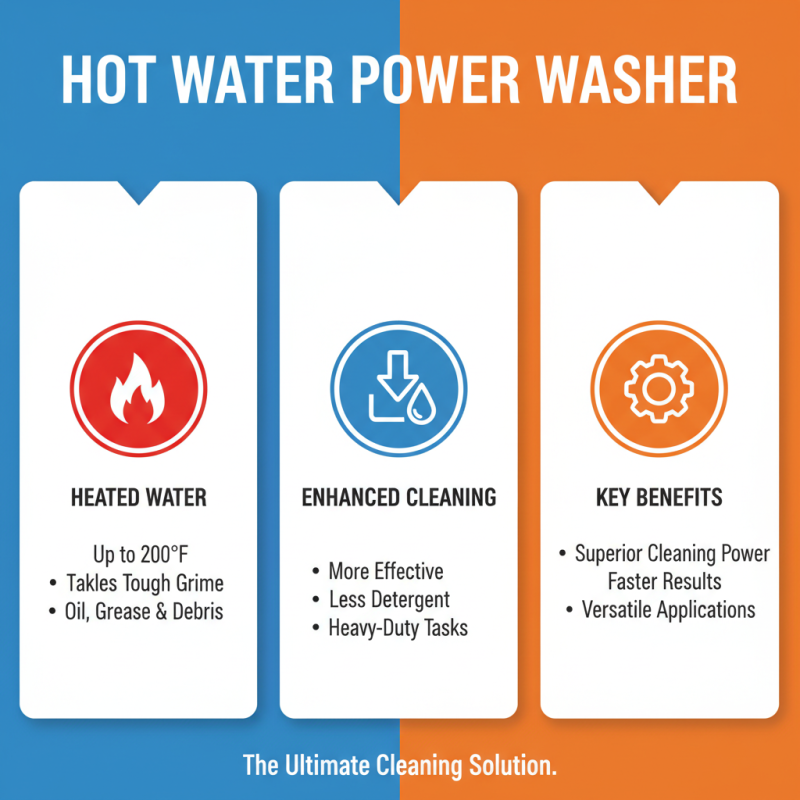
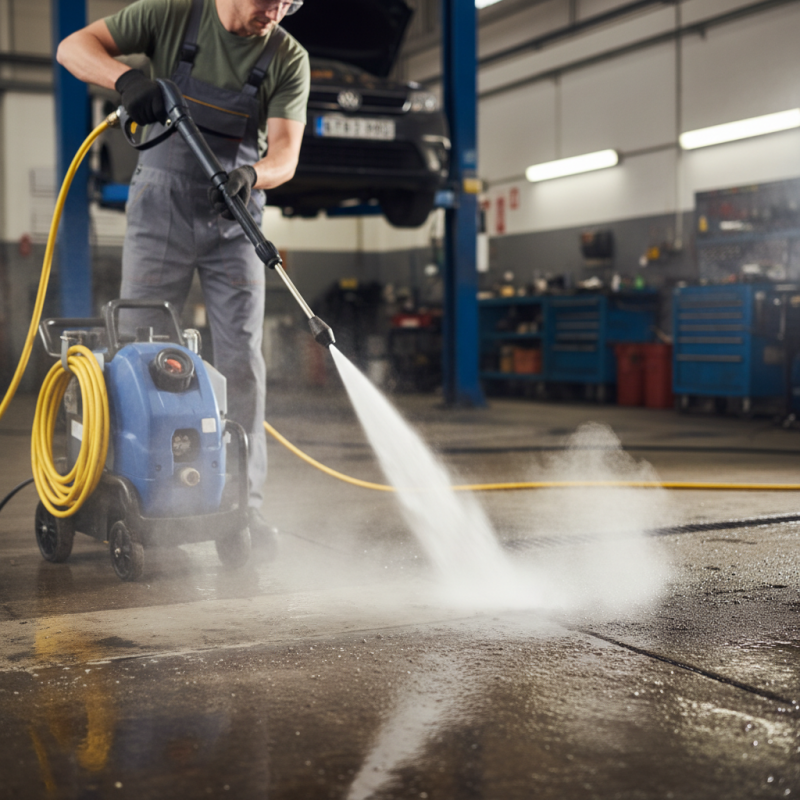
A hot water power washer is a cleaning tool designed for heavy-duty tasks. Unlike regular pressure washers, it uses heated water to tackle tough grime. The increase in temperature enhances the cleaning process, making it ideal for oil stains, grease, and debris. This type of washer can reach temperatures up to 200°F. Using heat allows for a more effective clean, requiring less detergent.
The machine operates using a water tank that heats the water. The pressurized water is then forced through a nozzle. This combination of heat and pressure dislodges dirt in a remarkable way. Users often find it effective in industrial settings, garages, and patios. However, it can be intimidating for beginners. It's easy to misuse or cause unintended damage. Careful handling is essential.
People should remember to follow safety guidelines. Proper training may be necessary to avoid accidents. Not everyone understands how it works in detail. It's important to reflect on best practices for effective use. Hot water power washers can be a powerful ally in cleaning, but knowledge is key.
Key Components of Hot Water Power Washers
Hot water power washers are specialized cleaning devices designed to tackle tough grime and stains. The key components of these machines include a boiler, a pump, and high-pressure hoses. The boiler heats the water, allowing it to reach temperatures as high as 200°F (93°C). This heated water enhances the cleaning power of detergents, making it effective against oil, grease, and other stubborn residues.
The pump is critical for generating high pressure, typically ranging from 1,500 to 4,000 PSI. This pressure forces hot water through the hoses and into the nozzle, maximizing cleaning efficiency. Data from industry reports suggest that using hot water can increase cleaning effectiveness by up to 50% compared to cold water alone. However, potential risks exist, such as damaging surfaces if the water is too hot or if the pressure is too high.
Tips: Always test a small area first before fully engaging the washer. Choose the temperature and pressure settings based on the surface material. Consider your environment too; hot water usage may be more effective on outdoor surfaces after a heavy rain. The choice of detergent matters as well. Not all soaps are formulated to work with heated water. Take your time to find the right combination for better results.
What is a Hot Water Power Washer and How Does It Work? - Key Components of Hot Water Power Washers
| Component |
Description |
Function |
| Heating Element |
An electric or gas device that heats the water before it is discharged. |
Increases the water temperature for effective cleaning. |
| Pump |
A mechanical component that generates high pressure for water flow. |
Delivers water with sufficient force to remove dirt and grime. |
| Hose |
A durable tube that transfers heated water from the machine to the nozzle. |
Ensures safe and efficient delivery of hot water during operation. |
| Nozzle |
An attachment that controls the direction and pressure of the water spray. |
Optimizes the cleaning process by allowing versatile spray patterns. |
| Thermostat |
A device that monitors and regulates the water temperature. |
Prevents overheating, ensuring safe operation. |
How Hot Water Enhances Cleaning Efficiency
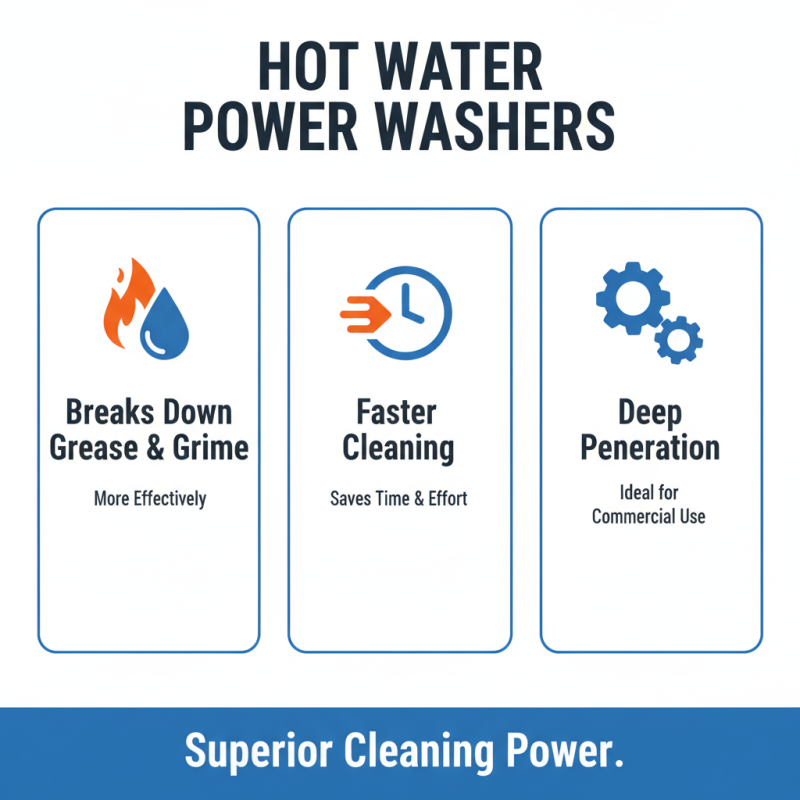
Hot water power washers are powerful cleaning tools that utilize heated water. The hot water breaks down grease and grime more effectively than cold water. This is particularly important in commercial settings where dirt can be tough to remove. When using hot water, surfaces become cleaner much faster. It penetrates deep into dirt and oils, making it easier to wipe away.
Heating the water enhances the efficiency of the cleaning process. Hot water helps to disinfect surfaces. Bacteria and germs can be stubborn, but heat can neutralize them. Cleaning with hot water may also require less detergent. This reduces the overall environmental impact, which is a win-win scenario. However, relying solely on heat can be flawed. Some stains still resist all efforts, and sometimes, additional scrubbing is necessary.
Using a hot water power washer requires careful attention. Temperature control is vital to avoid damage to sensitive surfaces. For instance, wood can warp, and paint can peel. It’s crucial to test on hidden areas first. While hot water makes cleaning efficient, it’s not a catch-all solution. Reflecting on these factors can lead to better cleaning strategies over time.
Operating Mechanisms of Hot Water Power Washers
Hot water power washers are fascinating machines that combine heat and high pressure to clean surfaces effectively. They operate using a straightforward mechanism. The core components include a heating element, pump, and spray nozzle. Upon activation, water is heated in the system, typically reaching temperatures between 150°F to 200°F. This heated water is then pumped at high pressure, often exceeding 1500 PSI, through the nozzle.
The cleaning action is impressive. Hot water can dissolve grease and grime more efficiently than cold water. Reports indicate that using hot water can boost cleaning efficiency by up to 50%. This is particularly useful in industrial cleaning scenarios where stubborn contaminants are prevalent. However, it's worth mentioning that not all surfaces are suitable for high-temperature cleaning. Some materials might warp or become damaged under intense heat.
While hot water power washers can significantly enhance cleaning productivity, they require proper handling. Operators must be trained to ensure safety and effectiveness. Misuse can lead to accidents or equipment damage. It's essential to regularly maintain only specific components to achieve optimal performance. Checking the heating element and pump regularly can prevent potential failures and ensure longevity.
Efficiency of Hot Water Power Washers by Temperature
Safety Considerations for Using Hot Water Power Washers
Using a hot water power washer can be highly effective for cleaning tough surfaces. However, safety should always be a priority. The high temperatures of the water can cause serious burns. It’s essential to wear appropriate protective gear, such as gloves and goggles. These items protect against splashes and steam that can arise during operation.
Before using the washer, check the surrounding area. Remove any obstacles or items that could become projectiles. Ensure that electrical cords are secured and not exposed to water. Be aware of slippery surfaces, especially when using hot water. If it feels too hot to handle, it might be a sign to adjust your technique or settings.
Always start with a lower pressure and test the spray. It’s easy to damage surfaces like wood or paint if the pressure is too high. Remember, the goal is effective cleaning, not destruction. After using the washer, allow it to cool down before handling. Reflect on your process for future improvements. Safety should never be an afterthought.