Is the Hot Water Pressure Washer the Must Have Tool of 2026?
As we look towards 2026, the hot water pressure washer emerges as a potential must-have tool. Industry expert John Smith, a leading figure at CleanTech Solutions, states, "The hot water pressure washer transforms the way we approach tough cleaning jobs." This sentiment echoes through industries looking for efficiency and power in their cleaning methods.
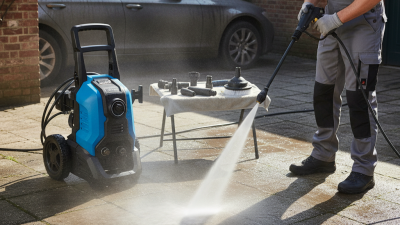
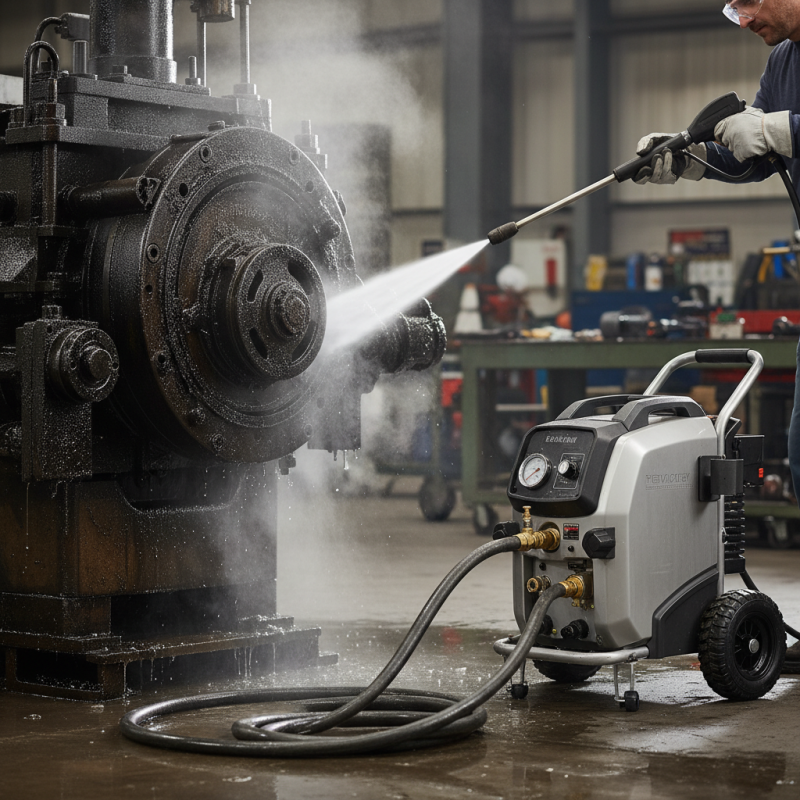
Hot water pressure washers not only deliver superior cleaning, but they also save time. Traditional methods often leave behind dirt and grime. The hot water penetrates deep into surfaces, ensuring thorough cleaning. Visualize removing grease from industrial machinery or restoring patio furniture. Each task appears daunting without the right equipment.
Despite these advantages, users must consider their specific needs. The investment in a hot water pressure washer can be significant. Will it deliver value for your projects? Some may find that smaller, less powerful units suffice. Balancing cost and performance becomes a vital consideration.
The Evolution of Pressure Washers: From Cold to Hot Water Innovations
The evolution of pressure washers has transformed cleaning tasks dramatically. Early models relied solely on cold water, often struggling with tough grime and grease. Over time, technology advanced, leading to the introduction of hot water pressure washers. These machines now offer superior cleaning power. Hot water breaks down dirt more effectively, making them a favorite among professionals.
As cleaning standards rise, many users seek efficiency and performance. In 2026, a hot water pressure washer may become essential. It could save countless hours on demanding jobs. However, these machines also come with challenges. Not all users have the expertise to operate them effectively. Improper use may damage surfaces or miss stubborn spots.
While the benefits are clear, learning to wield this tool requires commitment. Some individuals may find it daunting at first. Adapting to new technology always brings a learning curve. Observing and reflecting on one’s techniques can lead to improvement. The future of pressure washers appears bright, yet it's essential to embrace these changes thoughtfully.
The Benefits of Hot Water Pressure Washers in Various Industries
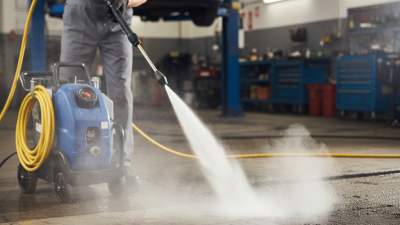
Hot water pressure washers are gaining popularity across many industries. Their versatility makes them a valuable tool. In construction, they effectively remove grime and grease from machinery. This leads to better performance and longevity. Food service businesses also benefit. Hot water helps sanitize surfaces quickly. Clean equipment is essential for food safety.
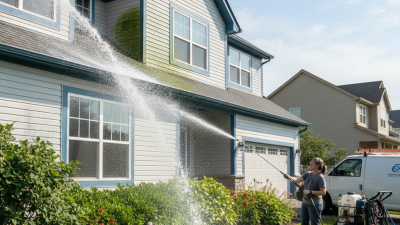
Using hot water pressure washers can save time and labor costs. For outdoor cleaning, they tackle tough stains like oil or mildew. Many users find that hot water, combined with pressure, enhances cleaning efficiency. However, some might struggle with handling the pressure settings. It’s important to adjust them according to the surface being cleaned.
Tip: Always start with low pressure on delicate surfaces. This helps prevent damage while you test effectiveness. Another tip is to regularly check the nozzle for blockages. This ensures optimal performance during use. Experimenting with different temperatures can yield even better results. Each task may require a unique approach, so it pays to evaluate and reflect.
Impact of Hot Water Pressure Washers Across Different Industries in 2026
Comparative Analysis: Hot Water vs. Cold Water Pressure Washers
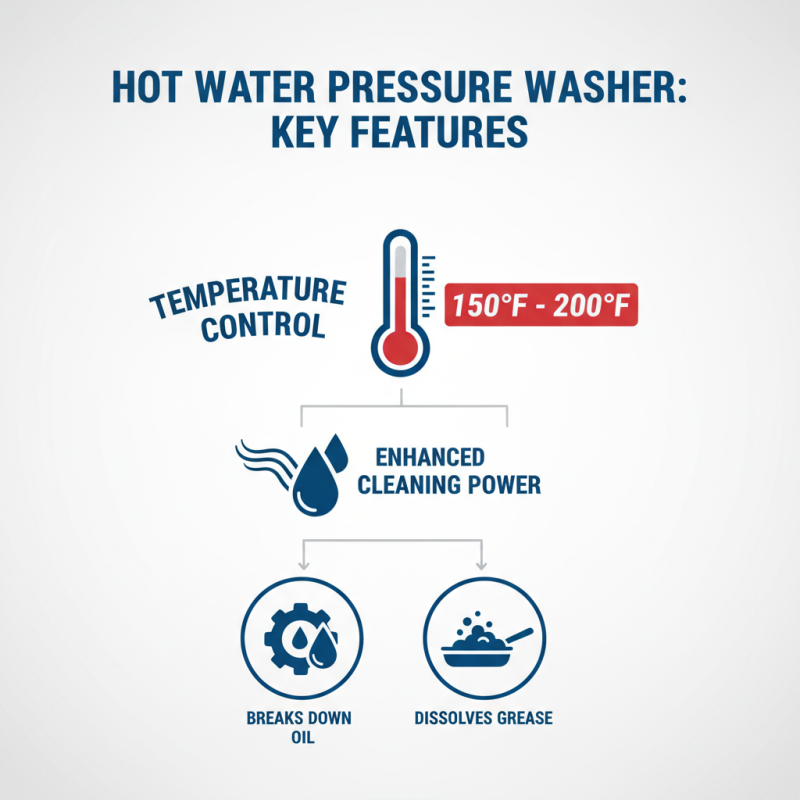
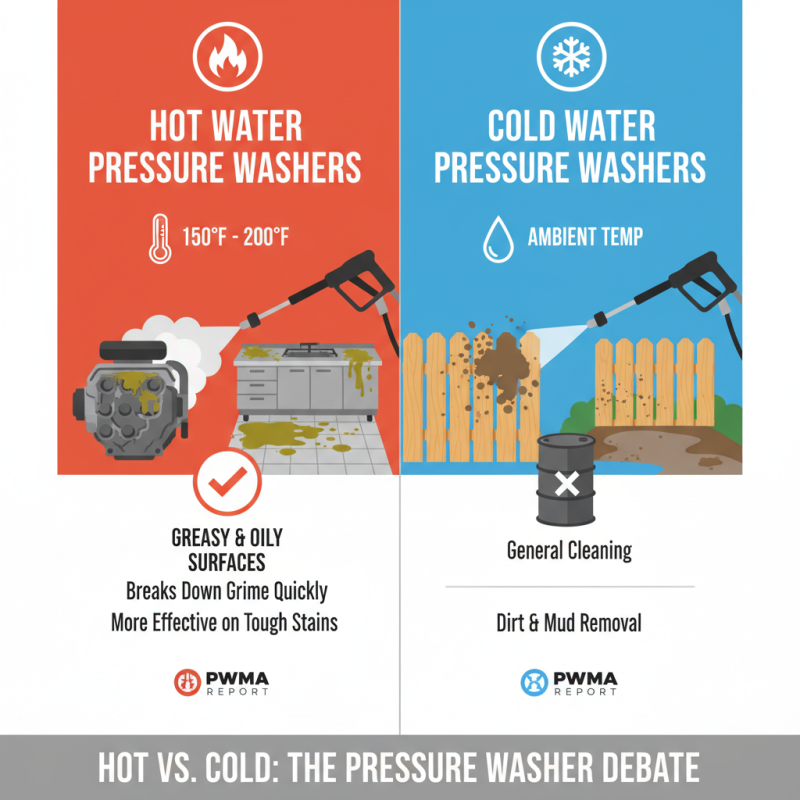
When it comes to pressure washers, the debate between hot water and cold water options is crucial. Hot water pressure washers excel in cleaning greasy and oily surfaces. According to a report from the Pressure Washers Manufacturers Association (PWMA), hot water units can eliminate tough stains more effectively than their cold counterparts. They reach higher temperatures, typically around 150°F to 200°F, which helps break down grime quickly.
Cold water pressure washers, on the other hand, are more versatile for general cleaning. They consume less energy and are generally easier to maintain. Their effectiveness is sufficient for lighter tasks like washing sidewalks or vehicles. The same PWMA report indicates that 60% of cleaning tasks can be effectively handled by cold water pressure washers, making them an appealing option for many users.
However, the efficiency of hot water machines comes with a cost. They are typically pricier and require more upkeep. Users must reflect on their cleaning needs before investing. Are they dealing with frequent heavy-duty tasks, or can they manage with a cold water model? Each option has its pros and cons, demanding careful consideration.
Predictions for the Future of Cleaning Technologies in 2026
The future of cleaning technologies is shaping up to be innovative and efficient. By 2026, we can expect advanced tools that streamline the process of cleaning. Among these, the hot water pressure washer is gaining attention. Its ability to remove tough grime with heated water makes it a contender for essential cleaning equipment.
Tips for using a hot water pressure washer effectively include adjusting the nozzle for different surfaces. A wider spray works for delicate areas, while a narrow stream tackles stubborn stains. Don’t forget to check the temperature settings. Too high can damage surfaces, while too low may be ineffective.
As technology advances, we may see enhancements like automated systems and smart controls. These innovations could analyze dirt types and suggest optimal settings. However, reliance on machines raises questions. Can we overlook traditional methods? Finding a balance is crucial. Embracing new tools does not mean abandoning effective techniques from the past.
Is the Hot Water Pressure Washer the Must Have Tool of 2026? - Predictions for the Future of Cleaning Technologies in 2026
| Technology Type |
Expected Adoption Rate (%) |
Key Features |
Environmental Impact |
Market Growth Forecast (%) |
| Hot Water Pressure Washers |
75% |
High efficiency, quick drying time |
Reduced water usage, lower chemical impact |
30% |
| Robotic Cleaners |
60% |
Automation, AI integration |
Energy-efficient, minimal waste |
25% |
| Eco-Friendly Cleaning Agents |
70% |
Biodegradable, non-toxic |
Minimal environmental footprint |
20% |
| UV Light Sanitizers |
50% |
Germicidal properties, chemical-free |
Low impact, reusable technology |
15% |
| Nano-Cleaning Technologies |
40% |
Surface protection, self-cleaning |
Reduced cleaning frequency |
12% |