How to Improve City Cleaning Efficiency for Global Buyers?
City cleaning has become a pivotal focus for urban management, especially as global population density increases. According to a report by the World Economic Forum, efficient city cleaning can reduce urban waste management costs by 30%. The need for effective cleaning solutions is greater than ever. With cities generating over 2 billion tons of waste annually, a strategic approach is essential.
Many cities face challenges due to outdated cleaning practices. Inefficiencies lead to higher operational costs and diminished public satisfaction. A survey conducted by Statista revealed that clean streets are a top concern for 65% of city dwellers. This highlights the urgency for improved cleaning methodologies. The integration of technology, including smart waste management systems, could enhance the efficiency of city cleaning operations significantly.
Moreover, local governments often lack the resources or expertise to implement efficient cleaning strategies. This points to the need for collaboration with global buyers who can provide innovative solutions. Reflecting on these issues, cities must adapt and embrace new cleaning technologies. Failure to do so risks falling behind in the global effort to enhance urban livability and sustainability.
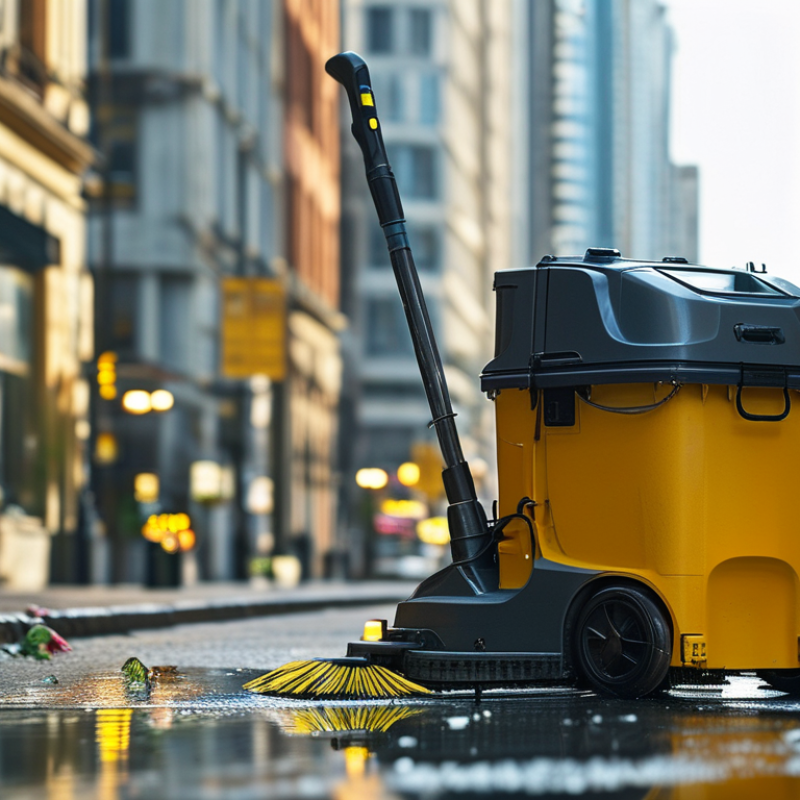
Strategies for Assessing Current City Cleaning Practices
Assessing current city cleaning practices is crucial for improving efficiency. Start by analyzing regular cleaning schedules. Are they meeting the needs of high-traffic areas? Gather data on pedestrian flow and waste generation. This information can highlight gaps in services.
Involve local communities in the evaluation process. Conduct surveys to understand their perceptions of cleanliness. Listen to their feedback. Their insights can uncover areas needing attention that may be overlooked. Evaluate the training programs for cleaning staff. Are they adequate and up-to-date? Investing in training can often enhance performance.
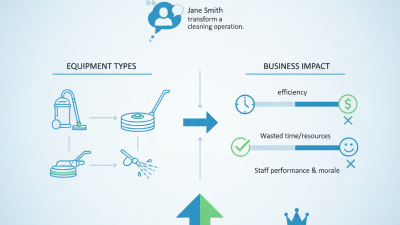
Review existing cleaning equipment and methods. Are they environmentally friendly? Do they meet current health standards? Outdated tools can lead to inefficiencies. Implementing new technologies can further amplify cleaning efforts. Consider alternative methods that reduce water and chemical use, but ensure these methods are thoroughly tested for effectiveness. The goal is a cleaner city, achieved through thoughtful assessment and adaptation.
How to Improve City Cleaning Efficiency for Global Buyers? - Strategies for Assessing Current City Cleaning Practices
| City |
Current Cleaning Methods |
Average Cleaning Frequency (Days) |
Citizen Satisfaction (%) |
Proposed Efficiency Improvement Strategy |
| City A |
Manual Sweeping, Broom Usage |
7 |
65 |
Automated Street Cleaners, Weekly Assessment |
| City B |
Mechanical Sweepers, Manual Pickup |
10 |
75 |
Implementation of Smart Sensors, Daily Monitoring |
| City C |
Composting, Manual Labor |
14 |
80 |
Community Involvement Programs, Increased Funding |
| City D |
Regular Pickup, Community Volunteers |
15 |
70 |
Incorporation of Drones for Waste Monitoring |
Innovative Technologies to Enhance Cleaning Efficiency in Cities
Urban cleaning efficiency is crucial for maintaining clean and healthy cities. Innovative technologies can play a significant role in enhancing this efficiency. Smart waste management systems use sensors to monitor waste levels in bins. This ensures timely collection and reduces unnecessary trips by cleaning crews. Drones can assist in inspecting hard-to-reach areas, providing real-time data for better resource allocation.
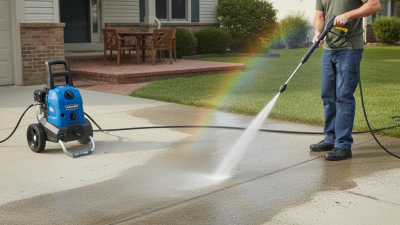
Adopting electric vehicles for street cleaning is another step forward. These vehicles are quieter and produce fewer emissions. This not only keeps the air cleaner but also improves the quality of life for residents. Furthermore, AI-driven analytics can optimize cleaning schedules. By analyzing foot traffic and weather conditions, cities can deploy teams more effectively.
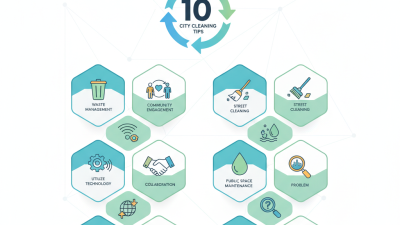
Tips for improving cleaning efficiency include training staff on the latest technologies. Regular workshops can help maintain high standards. Encouraging community involvement can also foster a sense of ownership. Residents can report issues through mobile apps, ensuring faster response times. Small adjustments, like using environmentally friendly cleaning solutions, can lead to significant gains too.
Enhancing City Cleaning Efficiency with Innovative Technologies
This chart illustrates the potential impact of various innovative technologies on city cleaning efficiency. Each technology contributes to reducing operational costs and enhancing overall productivity.
Best Practices from Global Cities with Successful Cleaning Programs
Urban cleaning efficiency is critical for maintaining livable cities. Globally, cities are implementing innovative practices to improve their cleaning programs. For instance, a study by the Urban Institute found that cities with regular street cleaning see a 15% reduction in litter and debris. This statistic highlights the importance of consistent effort in city cleanliness.
Technology plays a crucial role in these improvements. Cities are adopting smart waste bins that monitor fill levels. This allows for optimized collection routes, reducing fuel consumption and labor hours. According to a report by the International Solid Waste Association, cities using smart technology can lower operational costs by 30%. However, there are challenges. Some cities struggle with budget constraints and outdated equipment, which hinder progress. Finding a balance between investment and efficiency remains a key issue.
Engagement with the community is also essential. Cities that involve residents in cleaning initiatives report a noticeable increase in public responsibility. A case study from Barcelona showed that involving citizens led to a 20% increase in volunteer participation for local clean-up events. Yet, not all initiatives see such success. Some community programs fail due to lack of interest or organization. This reflects the necessity for ongoing assessment and adjustment of cleaning strategies.
Training and Development for Cleaning Staff in Urban Areas
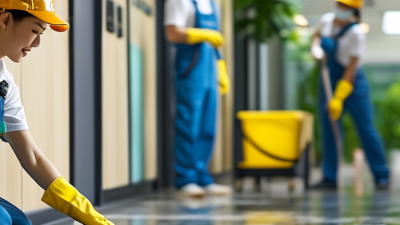
Training and development are crucial for improving urban cleaning staff efficiency. Research from the International City Cleaning Association (ICCA) highlights that well-trained staff can increase productivity by up to 30%. This level of training includes understanding proper waste segregation and effective use of cleaning tools.
A study conducted by the Urban Institute indicates that many city cleaning employees feel underprepared. Nearly 40% of surveyed workers reported lacking adequate training. This gap can lead to inefficiencies and reduced morale. Investing in ongoing training programs is essential. Workshops that focus on new technologies can enhance staff capabilities.
Mentorship programs are also valuable. Pairing experienced staff with newcomers encourages knowledge transfer. This practice fosters a strong team dynamic and builds confidence. Cities should also consider feedback mechanisms. Regular check-ins allow staff to voice concerns and suggest improvements, ultimately driving better results in urban cleaning efforts.
Community Engagement and Public Awareness for Effective City Cleaning
Effective city cleaning relies heavily on community engagement. When local residents participate actively, cleaning efforts become more successful. For instance, residents can join cleanup drives, raising awareness about littering. This bond between the community and cleaning teams fosters a sense of responsibility. People who feel attached to their environment often take better care of it.
Public awareness campaigns play a crucial role. Simple initiatives, like distributing educational materials, can change behavior. Schools can organize workshops on waste disposal. Visual cues, such as trash bins with clear labels, can encourage proper waste sorting. These small adjustments can lead to significant improvements. However, challenges remain. Not all community members may feel motivated to engage, and apathy can hinder progress. Reaching out to diverse groups is vital.
Moreover, feedback mechanisms should be established. These allow residents to share their views on current cleaning efforts. Understanding public sentiment can help local authorities adapt their strategies. Knowing what works and what doesn't can significantly boost effectiveness. Continuous dialogue between citizens and city officials is essential. It builds trust and promotes a unified approach toward cleaner communities.