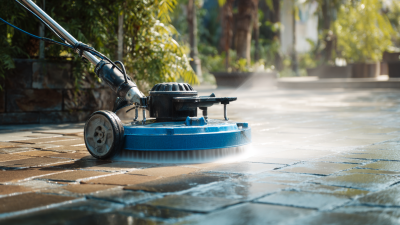
Top 10 Power Washing Equipment Tips for a Sparkling Clean Home
When it comes to maintaining a pristine exterior for your home, few approaches are as effective as utilizing power washing equipment. This powerful cleaning method not only enhances the aesthetic appeal of your property but also prolongs its lifespan by removing dirt, mold, and mildew that can cause long-term damage. Whether you are preparing for a special event or simply performing routine maintenance, understanding how to harness the capabilities of power washing equipment can make all the difference.
In this article, we will explore the top 10 tips for using power washing equipment to achieve a sparkling clean home. From selecting the right nozzle and pressure settings to knowing which surfaces benefit most from this technique, each tip will help you maximize the efficiency and effectiveness of your cleaning efforts. Power washing brings a transformative quality to driveways, patios, siding, and more, making your home look new again. As we delve into these practical insights, you will be equipped with the knowledge needed to elevate your cleaning game and enjoy the results that come from employing the right power washing equipment.

Essential Power Washing Equipment for Homeowners
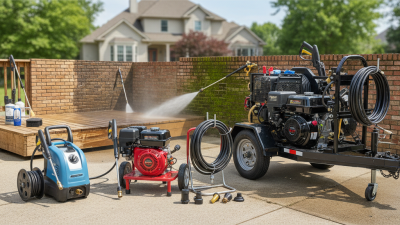
Power washing has become an essential task for homeowners looking to maintain the aesthetic appeal and value of their property. According to a recent report by the Power Washers of North America (PWNA), nearly 62% of homeowners engage in pressure washing at least once a year to combat the effects of weathering, dirt accumulation, and mold growth. To achieve optimal results, investing in the right power washing equipment is crucial. Key tools include an electric or gas pressure washer, a variety of nozzle tips for different surfaces, and appropriate detergents designed for specific cleaning tasks.
Safety gear is equally vital in the power washing process. The U.S. Consumer Product Safety Commission highlights that more than 6,000 injuries associated with power washing occur annually, underscoring the importance of protective equipment such as goggles, gloves, and non-slip footwear. Additionally, homeowners should consider the benefits of using a well-maintained power washer—units with a PSI (pounds per square inch) rating of 2000-3000 are ideal for most home applications, delivering sufficient pressure without inflicting damage on surfaces. By equipping themselves with the right tools and protective measures, homeowners can ensure a sparkling clean appearance for their properties while safeguarding their own well-being during the cleaning process.
Choosing the Right Pressure Washer for Your Cleaning Needs
Choosing the right pressure washer is fundamental to achieving a sparkling clean home. When selecting equipment, consider the specific cleaning tasks you will tackle. Pressure washers come with varying pressure ratings, typically measured in pounds per square inch (PSI). For light cleaning jobs such as washing patio furniture or vehicles, a model with a lower PSI rating (around 1,300 to 1,800 PSI) will suffice. Conversely, for tougher jobs like deep-cleaning driveways or removing mildew from siding, you may need a more powerful washer rated at 2,500 PSI or more.
Beyond pressure, the flow rate, measured in gallons per minute (GPM), is also crucial. Higher GPM ratings mean a washer can clean more area quickly, making it efficient for larger surfaces. Additionally, think about the weight and portability of the machine, especially if you need to move it around your property. Electric pressure washers are typically lighter and easier to handle, while gas-powered models offer higher performance but can be bulkier. Ultimately, selecting the right pressure washer involves balancing power, efficiency, and convenience to meet your unique cleaning needs effectively.
Top 10 Power Washing Equipment Tips for a Sparkling Clean Home
| Tip Number |
Tip Description |
Recommended Pressure (PSI) |
Best Attachment for Job |
| 1 |
Choose the right PSI for the surface |
1300-2000 |
Wide Spray Nozzle |
| 2 |
Use appropriate detergent for stains |
N/A |
Foam Cannon |
| 3 |
Start with the highest area |
N/A |
Extension Wand |
| 4 |
Maintain a consistent distance from the surface |
8-12 inches |
Standard Nozzle |
| 5 |
Test on a small area first |
N/A |
N/A |
| 6 |
Clear the area of obstacles |
N/A |
N/A |
| 7 |
Avoid using too much pressure on fragile surfaces |
< 1300 |
Fan Nozzle |
| 8 |
Rinse the surface thoroughly |
N/A |
Spray Gun |
| 9 |
Inspect the work after cleaning |
N/A |
N/A |
| 10 |
Store equipment properly after use |
N/A |
N/A |
Important Safety Precautions When Using Power Washing Equipment
When using power washing equipment, safety should always be your top priority. First and foremost, always wear appropriate protective gear. This includes safety goggles to shield your eyes from debris, heavy-duty gloves to protect your hands, and sturdy footwear to prevent slips and falls. Additionally, consider wearing ear protection, especially if you are using a loud machine for an extended period. By taking these precautions, you can significantly reduce the risk of injury while achieving a sparkling clean surface.
Moreover, it's crucial to be aware of your surroundings when operating power washing equipment. Ensure that the area is free of people, pets, and fragile items that could be damaged by water pressure. Before starting, inspect the equipment for any signs of wear or malfunction. Keep in mind that power washers can produce intense water pressure, which can lead to serious injuries if misused. Maintain a safe distance from surfaces and always follow the manufacturer's instructions for maintaining control over the machine. By adhering to these safety protocols, you can enjoy a successful power washing experience without compromising your well-being.
Techniques for Effective Power Washing on Different Surfaces
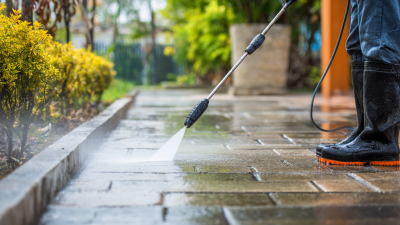
When it comes to power washing, understanding different techniques for various surfaces is crucial for achieving the best results without causing damage. For concrete surfaces, such as driveways and patios, a powerful nozzle is often beneficial, as it allows for deep cleaning while effectively removing stains. Utilizing a straight stream can lift embedded dirt, but it’s important to maintain a safe distance to prevent etching the surface. For older concrete, a more gentle approach with a fan spray might be necessary to avoid any potential harm.
When tackling wood surfaces, such as decks or fences, a much lower pressure setting is required to prevent splintering or damaging the wood grain. It’s advisable to use a wide-angle nozzle and keep the sprayer moving steadily to avoid saturating one area too much. Moreover, it is beneficial to use a cleaning solution designed specifically for wood to enhance the cleaning process. Finally, for delicate surfaces like siding or cars, using a softer spray angle in conjunction with a biodegradable cleaner will effectively remove dirt without causing scratches or fading paint. Adapting your technique to the surface type is essential for optimal results in power washing.
Maintenance Tips to Ensure Longevity of Power Washing Tools
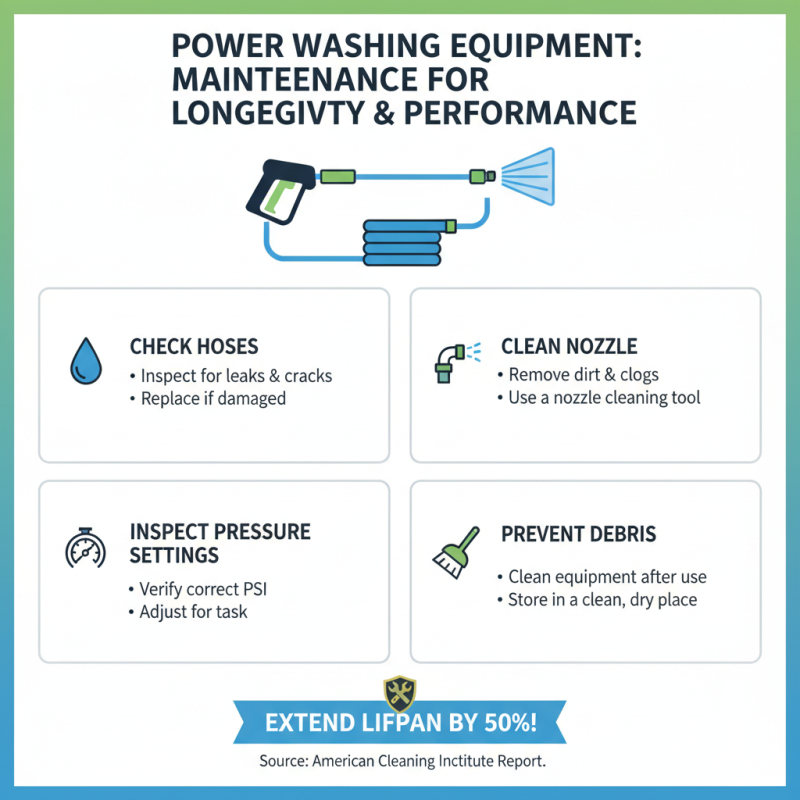
Proper maintenance of power washing equipment is crucial for longevity and optimal performance. According to a report by the American Cleaning Institute, regular maintenance can extend the lifespan of power washing tools by as much as 50%. Simple practices such as routinely checking the hoses for leaks, ensuring the nozzle is clean, and inspecting the pressure settings can prevent costly repairs and ensure your equipment operates at peak efficiency. Keeping the equipment free of debris and contaminants will not only help maintain performance but also reduce wear and tear during use.
Another key aspect of maintenance involves proper storage and winterization. Research from the Power Washers of North America emphasizes the importance of storing power washing equipment in a dry, sheltered area to protect it from harsh weather conditions that can cause rust and corrosion. Additionally, winterizing the machine by draining the water and adding a non-toxic anti-freeze solution can prevent damage during colder months. Taking these proactive measures can significantly decrease the likelihood of breakdowns, ensuring your power washing tools remain in excellent condition for years to come.