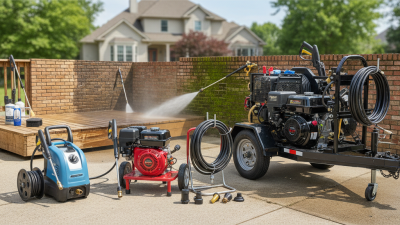
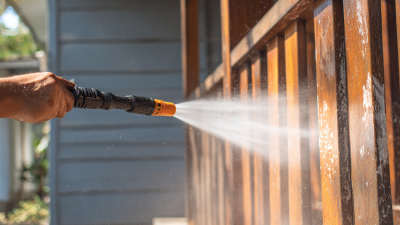
A soft wash pressure washer is designed to clean with controlled water flow and cleaning solutions, not brute force. It can remove algae, mildew, pollen, and surface grime from siding, roofs, fences, and delicate masonry. The difference is important. A traditional pressure washer may depend on high PSI. Soft washing depends more on chemical action, steady flow, and careful rinsing.
AC Lockyer, founder of SoftWash Systems and a recognized soft-washing educator, expresses the principle clearly: “Clean with chemistry, not force.” That idea should guide your buying decision. The strongest machine is not always the best machine. Sometimes, excessive pressure creates damage that remains hidden until paint peels or mortar weakens.
This guide explores seven practical tips for choosing a soft wash pressure washer. It considers pump type, working pressure, gallons per minute, chemical resistance, hose length, portability, and warranty support. Look for a system that matches your surfaces and workload. A homeowner cleaning a small patio needs different equipment from a contractor washing multi-story buildings.
Pay attention to real details. Will the pump tolerate diluted bleach solutions? Can the hose reach a second-story gutter? Is the flow strong enough for efficient rinsing? These questions matter more than impressive marketing numbers.
A small mistake can become expensive. I have found that beginners often focus on PSI first, although flow rate and chemical compatibility may matter more. That assumption deserves reconsideration. Safe cleaning requires training, protective equipment, surface testing, and responsible runoff control. The right equipment helps, but judgment still does the cleaning.
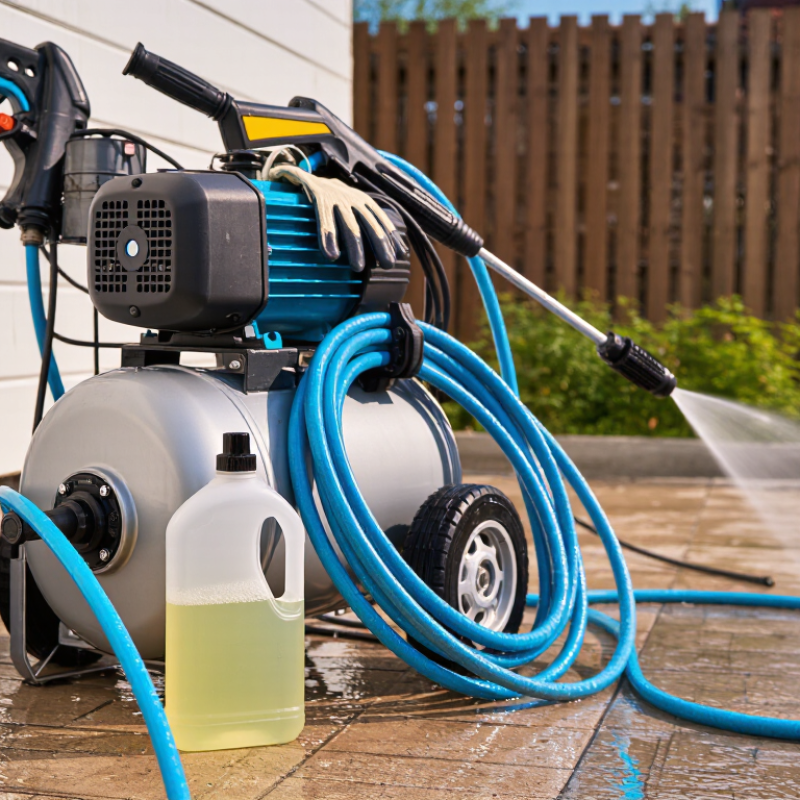
A soft wash pressure washer uses low pressure and a cleaning solution to remove organic stains, dust, and surface grime. Unlike conventional pressure washing, it does not depend mainly on force. The solution loosens algae and mildew, while gentle water rinses the surface clean. Pressure commonly stays far below standard power washing, but the correct level depends on the material.
A practical soft wash system usually includes a pump, solution tank, hose, spray gun, and adjustable nozzle. Choose a pump that delivers steady flow without creating excessive pressure. Check the hose quality, chemical resistance, and nozzle control. A wide spray pattern helps protect painted siding, roof shingles, and delicate wood. Test a small hidden area before cleaning the whole surface. It sounds cautious because it is.
Read the solution instructions carefully, and protect nearby plants, windows, and outdoor fixtures. Good ventilation matters when working around enclosed spaces. Rinse thoroughly, since leftover cleaner may discolor some materials. A soft wash pressure washer should feel controlled, not aggressive. If the surface requires repeated passes, the solution may be weak, the dwell time too short, or the stain may need professional assessment. I have found that choosing the highest flow rate is not always smarter. It can waste water and make delicate surfaces harder to manage. Look for reliable fittings, clear maintenance instructions, and accessible replacement parts before buying.
Soft washing differs from conventional pressure washing mainly through force. A typical pressure washer removes dirt with high-impact water. A soft wash system uses low pressure, cleaning solution, and dwell time. The water feels closer to a garden hose than a cutting jet. This approach suits roof shingles, painted siding, solar panels, and delicate masonry.
The U.S. Environmental Protection Agency’s WaterSense program reports that outdoor water use exceeds 30% of household consumption nationally. Soft washing may reduce unnecessary rinsing because chemistry loosens organic growth before washing. However, lower pressure does not automatically mean lower water use. Poor nozzle selection, repeated passes, and excessive rinsing can waste it. I have seen clean-looking surfaces that still held residue beneath gutters.
Choose a system with adjustable pressure, controlled chemical proportioning, and dependable hose connections. A useful setup should apply solution evenly from ground level, without forcing operators onto unstable ladders. The Centers for Disease Control and Prevention links mold exposure with respiratory irritation, so surface treatment requires ventilation, protective equipment, and careful runoff control. Never assume one mixture fits every material. Test a hidden area first. Keep records of pressure, dwell time, weather, and surface response; those details expose mistakes that a quick visual check can miss. The International Cleaning and Restoration Association also emphasizes material identification before cleaning, which remains essential when choosing between soft washing and conventional pressure washing.
A soft wash pressure washer suits surfaces that can be damaged by force. It uses low pressure and a cleaning solution to remove organic growth. The solution does most of the work.
Vinyl siding, painted wood, stucco, and exterior plaster usually respond well to soft washing. It can loosen algae, mildew, moss, and bird residue from walls and fences. Roof shingles may also benefit, but the operator must avoid walking on fragile areas. Older paint needs extra care. Test a small hidden patch first.
Soft wash systems are useful for homes, garden walls, awnings, and delicate outdoor furniture. They are less suitable for thick grease, hard rust, or deeply embedded tire marks. Those jobs may need a different method. Concrete can often handle more pressure, yet weak joints and old surfaces may crumble. I have seen operators focus too much on pressure and ignore dwell time. That creates damage, not better cleaning.
Keep the nozzle moving. Never aim directly at vents, damaged seals, or electrical fittings. Protect plants with water and suitable coverings, then rinse them again afterward. Follow the chemical label, wear proper protective equipment, and control runoff. Solar panels require special instructions from their manufacturer. This detail is easy to miss. A careful soft wash should leave the surface clean, intact, and free from visible streaks.
A soft wash pressure washer should deliver steady flow without aggressive pressure. When checking a machine, examine its adjustable pressure control and flow rate. A wide adjustment range helps protect painted siding, roof materials, and delicate outdoor furniture. Test the trigger before purchase. It should respond smoothly, not jerk suddenly.
The pump material matters. Chemical-resistant components usually last longer when the system handles cleaning solutions regularly. Check the injector, seals, hose, and fittings carefully. A blocked injector can interrupt the spray halfway through a job. That is frustrating. Look for clear maintenance instructions and replacement parts that are easy to identify. Reliable support also shows that the manufacturer understands real working conditions.
Portability deserves attention, especially when a property has narrow paths or uneven ground. Large wheels, a balanced frame, and a long hose reduce unnecessary lifting. Confirm whether the washer can draw water from its intended source. Some models require strong inlet flow, while others work with a tank. Read the operating limits instead of trusting a sales description. I once focused too much on maximum flow and ignored hose storage; the machine worked well but became awkward to carry. That mistake changed my checklist. Before choosing, inspect the noise level, electrical protection, chemical control, and emergency shutoff. Use the lowest effective pressure and test an inconspicuous area first.
| Tip | Feature to Check | Practical Specification or Target | Why It Matters | What to Verify Before Buying |
|---|---|---|---|---|
| 1 | Low-pressure output | Adjustable pressure, generally suitable for low-pressure cleaning rather than high-pressure blasting. Many soft-wash tasks are performed below about 1,000 PSI, depending on the surface and equipment. | Lower pressure helps reduce the risk of damaging roofing granules, paint, siding, seals, and delicate exterior surfaces. | Check the operating-pressure range, pressure adjustment method, and whether the unit includes a regulator, bypass, or unloader system. |
| 2 | Water flow rate | Select a flow rate that matches the job. A compact soft-wash setup may use approximately 2–5 GPM, while larger commercial systems may require more. | GPM determines rinsing speed, chemical delivery capacity, and how quickly a surface can be covered. | Confirm rated GPM at the intended pressure, not only the pump’s maximum theoretical flow. Check that the water source can supply it continuously. |
| 3 | Chemical compatibility | Use chemical-resistant hoses, seals, fittings, valves, and pump components. Materials such as compatible plastics, stainless steel, or purpose-rated elastomers may be appropriate depending on the solution. | Soft washing often relies on cleaning solutions to remove algae, mold, mildew, and organic staining instead of using high mechanical pressure. | Review the chemical-resistance chart and verify compatibility with the detergents or sanitizing solutions you plan to use. Never mix chemicals unless the label specifically permits it. |
| 4 | Injection and proportioning system | Look for adjustable chemical injection, a downstream injector, or a dedicated proportioning system with a clearly stated draw or mixing range. | Accurate dilution improves cleaning consistency and helps prevent unnecessary chemical use or surface damage. | Check whether the system can draw chemical at the required flow and pressure, and whether the chemical ratio can be adjusted without guesswork. |
| 5 | Hose, wand, and nozzle options | Choose hose lengths and spray tips that support the required working distance while maintaining a controlled, fan-shaped spray pattern. | The correct accessories improve coverage and help keep the operator at a safe distance from ladders, roofs, and treated surfaces. | Confirm hose inner diameter, maximum working pressure, chemical compatibility, quick-connect type, nozzle angle, and replacement availability. |
| 6 | Water source and pump protection | The system should include suitable inlet filtration and protection against running the pump without adequate water. A buffer tank may be useful when the supply cannot meet the required GPM. | Insufficient water, debris, or dry running can reduce performance and shorten pump life. | Check inlet requirements, filter size, minimum supply flow, tank capacity, thermal protection, and whether a low-water shutoff is included. |
| 7 | Safety, portability, and maintenance | Prioritize stable frames, secure hose storage, emergency shutoff access, clear controls, manageable weight, and easy access to filters, seals, and pump components. | A practical system is easier to transport, operate, clean, winterize, and maintain safely. | Review total weight, wheel or cart design, electrical or fuel requirements, ventilation needs, maintenance intervals, replacement-part support, and operating instructions. |
Soft washing uses low pressure and a cleaning solution rather than force alone. The goal is to remove algae, dust, and grime without stripping paint or damaging sealants. A U.S. Consumer Product Safety Commission NEISS report recorded 6,057 emergency-department-treated pressure-washer injuries in 2014. That figure is old, but it remains a useful warning. Water still cuts.
Before operating, read the machine manual and every chemical Safety Data Sheet. Wear goggles, waterproof gloves, non-slip boots, and hearing protection. Inspect the hose, trigger, wand, fittings, and electrical cable for damage. Replace worn parts, not tape. Test the spray on a hidden surface first. Begin with the lowest effective pressure and keep the wand moving. Never aim it at people, animals, windows, or uncovered electrical connections. Keep children away. Never rush.
Use a ground-fault circuit interrupter where electrical equipment and water meet. OSHA’s Hazard Communication Standard requires accessible safety information for hazardous chemicals. Never mix products, and follow the label’s dilution and contact-time instructions. Ventilate enclosed areas carefully. After cleaning, switch off the machine and relieve pressure before disconnecting anything. Flush chemical lines with clean water, drain the pump, and store hoses loosely. I have learned that small oversights cause large repairs; once, I focused on surface speed and missed a loose fitting. Slow checks feel inefficient, but they prevent sudden spray, wasted solution, and avoidable damage.