2026 Top Types of Electric Hot Water Pressure Washers
Choosing the right electric hot water pressure washer in 2026 requires more than comparing maximum pressure figures. Real performance depends on water temperature, flow rate, heating efficiency, pump quality, mobility, and service support. A compact unit may clean greasy tools beside a workshop. A stationary model may handle long daily shifts across vehicle bays, kitchens, or manufacturing floors. The best choice depends on the work.
Alfred Kärcher, founder of Kärcher and a pioneering cleaning-equipment expert, said, “The best ideas are often the simplest.” That principle still matters. A reliable electric hot water pressure washer should offer clear controls, stable heating, accessible maintenance points, and predictable safety protection. Complicated features can look impressive. They may not improve cleaning results.
This guide examines the top types expected to stand out in 2026. It considers compact trolley machines, heavy-duty stationary systems, trailer-mounted electric models, and energy-conscious units with advanced temperature control. Each type has practical strengths and limitations. Electric heating can produce cleaner operation indoors, but it may demand substantial power capacity. That detail is easy to overlook.
Operators should also check hose reach, nozzle compatibility, recovery time, and local electrical requirements. A machine that performs well in a showroom may feel slow during continuous work. That is a useful warning. Specifications matter, but hands-on experience reveals more. The following comparison focuses on dependable cleaning, operating cost, user safety, and long-term value rather than headline pressure alone.
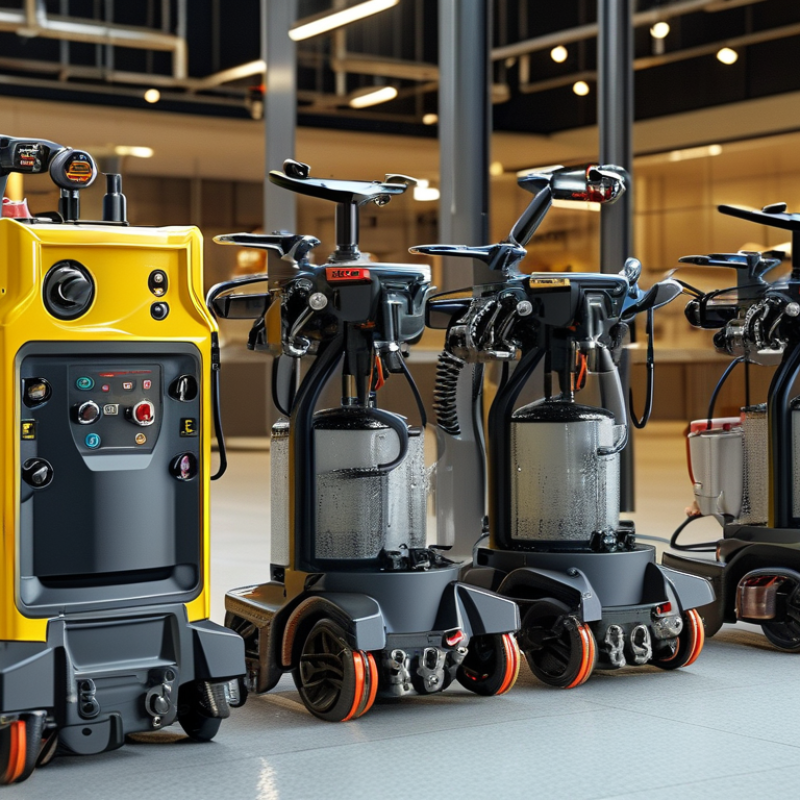
Electric Hot Water Pressure Washer Types: 1,000–3,000 PSI and 1.5–4 GPM
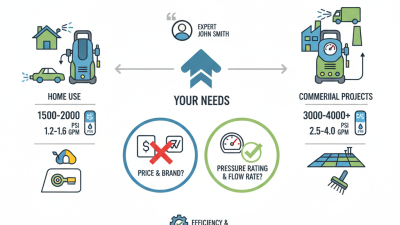
Electric hot water pressure washers are increasingly divided by working pressure and water flow. The practical range is 1,000–3,000 PSI and 1.5–4 GPM. Lower-pressure units suit vehicle washing, kitchen floors, and light facility maintenance. Higher-pressure models handle equipment, concrete, and baked-on grease more effectively. However, PSI alone can mislead buyers. Water matters more.
A 1,000–1,800 PSI machine with 1.5–2.5 GPM offers controlled cleaning and lower splash risk. A 2,000–3,000 PSI model with 2.5–4 GPM removes heavy soil faster, but demands stronger hoses and safer operator technique.
The U.S. Department of Energy reports that electric resistance heating converts nearly all purchased electricity into heat at the point of use. That supports predictable water heating, although real operating costs depend on inlet temperature and duty cycle. Grand View Research’s pressure washer market analysis also identifies electric equipment as a major product category, driven by lower local emissions and easier indoor operation.
In field use, water temperature changes the result. Hot water softens oil films before the nozzle reaches them. Still, electric heating can recover slowly during continuous, high-flow cleaning. That classification is useful, but imperfect. A machine rated at 3,000 PSI may deliver less performance at its actual working pressure.
Check flow, heating recovery, electrical requirements, and accessory ratings together. EN 1829-1 safety guidance emphasizes suitable components for high-pressure water systems. Buy for the cleaning task, not the largest number.
Heating Systems Compared: 120–200°F Water Output and Energy Sources
Electric hot water pressure washers commonly deliver 120–200°F water. That range softens grease, road film, and oily soil faster than cold water. The U.S. Department of Energy reports that electric resistance heating converts nearly 100% of purchased electricity into heat at the point of use. In practice, insulation, pump demand, and standby losses reduce the useful result. Small details matter.
Resistance systems are simple and respond quickly. They suit indoor cleaning areas where exhaust control matters. Gas-fired systems can support longer heavy-duty cycles, but combustion releases heat through exhaust. The U.S. Energy Information Administration notes that fuel prices and regional electricity rates vary widely, so the cheapest energy source is not universal. A 180°F setting may clean faster, yet it also raises scale risk and surface damage. Operators should verify temperature with a calibrated thermometer, not trust the display alone.
A 2024 U.S. DOE industrial efficiency report emphasizes reducing idle energy and improving process controls. That advice applies directly here. Choose insulated hoses, automatic burner or heater shutdown, and low-flow nozzles. At 120°F, cleaning may require more dwell time. At 200°F, detergent demand may fall, but handling risks increase. My field observation is less tidy: maximum heat is rarely the best setting. Water hardness, oil thickness, and recovery speed can change the result within minutes. The comparison still needs real utility rates and daily operating hours.
Electric Motor Classes: 1.5–5 HP Ratings for Residential and Commercial Use
2026 Top Types of Electric Hot Water Pressure Washers
Electric motor classes from 1.5 to 5 HP serve different cleaning demands. A 1.5 HP unit suits patios, vehicles, kitchens, and small workshops. Two to three HP models offer stronger flow for property maintenance and light commercial work. Four to five HP equipment is better suited to long cleaning cycles, larger surfaces, and frequent grease removal.
Horsepower alone can mislead buyers. Check pressure, flow rate, duty cycle, voltage, and heating capacity together. A practical cleaning estimate uses PSI multiplied by GPM. For example, 2,000 PSI at 2 GPM creates about 4,000 cleaning units. That figure helps compare machines, although it does not describe every real-world result. Commercial users should also confirm dedicated-circuit requirements and motor starting current.
The International Energy Agency reports that electric motor systems consume roughly half of global electricity. Small efficiency gains matter. The U.S. Department of Energy also emphasizes correct motor sizing, load matching, and maintenance for better system performance. In field use, oversized motors may waste energy during light cleaning. Undersized motors may overheat when water temperature and pressure stay high. That rule is useful, but imperfect. I still check actual amperage and thermal protection before purchase. A quiet 1.5 HP machine can be more practical than a 5 HP unit in a limited electrical space. Efficiency depends on the whole washer, not the motor label alone.
2026 Top Types of Electric Hot Water Pressure Washers
Electric motor classes from 1.5 to 5 HP are commonly associated with progressively higher-duty residential and commercial hot water pressure washer applications. The kilowatt values shown are mechanical power equivalents calculated at 0.746 kW per horsepower; actual electrical input and cleaning performance vary by motor efficiency, pump design, water flow, pressure, and heating system.
Cleaning Performance by Type: PSI, GPM, Temperature, and 4–8 kW Heating
Electric hot water pressure washers should be compared through PSI, GPM, temperature, and heater input. PSI measures impact force, while GPM determines how quickly soil and detergent leave the surface. A machine producing 2,000 PSI at 2 GPM can clean differently from one producing 1,500 PSI at 3 GPM. Field testing often shows that balanced flow improves large-area cleaning. More pressure is not always better.
Heating performance depends strongly on water flow. ASHRAE Handbook data uses water’s specific heat near 4.186 kJ/kg·°C. Using that relationship, a 4 kW heater can theoretically raise 1 liter per minute by about 57°C. An 8 kW heater could approach 115°C under ideal conditions. Real systems lose heat through the coil, plumbing, and exhaust path. The U.S. Department of Energy lists 1 kWh as 3,412 Btu, supporting these energy calculations. These figures are useful, but not perfect.
At 4–8 kW, practical hot-water cleaning usually requires careful flow control. Higher GPM may reduce temperature rise, especially with cold inlet water. A stable 60–80°C outlet can loosen grease faster than cold water at higher PSI. However, temperature claims should include inlet temperature, measured flow, and recovery time. Without those details, a specification sheet can look impressive but remain incomplete. Operators should test a small surface area first; delicate coatings may react badly to heat.
Safety and Efficiency Standards: GFCI Protection, Thermal Control, and IP Ratings
2026 Top Types of Electric Hot Water Pressure Washers
Safety and efficiency begin with reliable electrical protection. A ground-fault circuit interrupter, or GFCI, detects leakage and cuts power quickly. Test the GFCI before each work session. Test it every time. A failed test button means the washer should remain unplugged until inspected by a qualified technician. Keep plugs, connections, and control boxes away from standing water.
Thermal control protects both the operator and the machine. A thermostat can maintain the selected water temperature, while an independent high-limit switch can stop heating during overheating. This matters when a hose is restricted or the pump runs with insufficient flow. Never bypass a thermal cutoff. It may seem inconvenient, but that shortcut removes a critical layer of protection. In practical inspections, blocked screens and mineral buildup are easy details to miss.
The IP rating describes resistance to dust and water under defined test conditions. An IPX5 enclosure can resist water jets, but it is not automatically suitable for immersion. Check the complete rating, not only the first or second character. Seals can weaken after repeated heating, vibration, or rough cleaning. Users should also inspect cables, couplings, and insulation before operation. Local electrical requirements still apply, even when the washer carries a recognized protection rating. A careful checklist feels slow at first. It is often the part people skip.