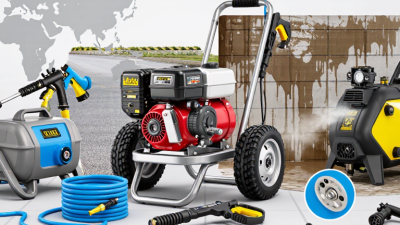
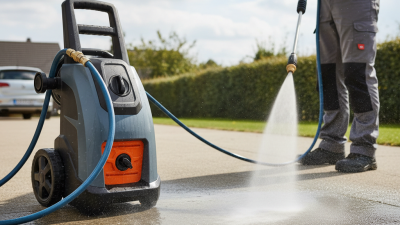
10 Best Pressure Washers for Home and Commercial Use

Choosing the right pressure washer starts with the work, not the biggest number on the box. A compact electric model may suit patio furniture, garden tools, and a small driveway. A larger gas unit can better handle frequent cleaning across broad surfaces, but it also brings more noise, weight, and maintenance. Small details matter. A hose that kinks beside the garage door can turn a quick job into a frustrating one.

Market demand is growing, though sales figures do not prove that any machine cleans well. Grand View Research estimated the global pressure washer market at about USD 2.8 billion in 2023 and projected a 4.6% compound annual growth rate from 2024 to 2030. That estimate offers context, not a buying verdict. For this guide to the 10 best pressure washers for home and commercial use, compare pressure and water flow together, then consider power source, portability, nozzle options, and stated duty cycle. PSI alone can mislead; gallons per minute affect how quickly rinsed dirt clears away. Check the manual before using a machine on painted siding, soft wood, or vehicle finishes. Even a capable washer can damage a surface at close range. There is no perfect pick for every property. Some trade-offs remain. A sensible choice matches the washer to the surfaces, cleaning frequency, and storage space you actually have.
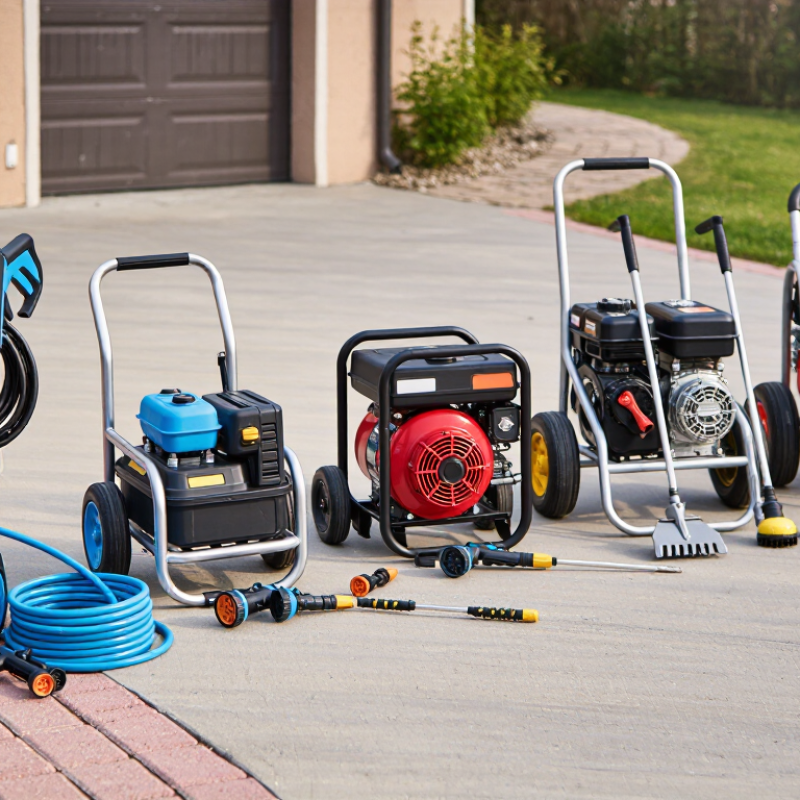
10 Best Pressure Washers for Home and Commercial Use

How Pressure Washers Work and Which Specifications Matter

A pressure washer uses a pump to push water through a narrow nozzle, creating a concentrated spray. An electric or gas motor powers the pump, while a hose supplies water. Pressure is measured in pounds per square inch, or PSI. Flow rate, measured in gallons per minute, or GPM, describes how much water moves through the machine. Both numbers matter. High pressure can loosen stubborn grime, while greater flow can rinse large areas faster.

For home use, a moderate combination of pressure and flow is often enough for patio furniture, bins, and lightly soiled paving. Commercial cleaning may demand longer run times and higher output, but a bigger rating alone does not guarantee better results. Nozzle angle changes the spray’s force and coverage. A narrow stream can damage soft wood or paint, so test a wider spray on an inconspicuous spot. Keep distance. It sounds obvious, yet it is easy to rush.

Also check the pump type, hose length, water supply needs, and duty cycle—the time a machine can run before resting. A thermal shutoff can help protect a motor from overheating. Detergent systems may save effort on greasy dirt, but soap should suit the surface and machine. Specifications are useful, not promises; real performance varies with nozzle choice, water supply, and the operator’s technique.

Main Types of Pressure Washers for Residential and Commercial Tasks

Pressure washers are best understood by their power source, water temperature, and intended workload. Electric models suit patios, cars, and small home projects because they are usually quieter and easier to store. Their cords and lower flow rates can limit movement or slow large jobs. Gas-powered machines offer more mobility and often higher output, but they are louder and require outdoor use and engine maintenance. Not every job needs the stronger option.

Cold-water washers handle common dirt, mud, and loose grime. Hot-water models can help loosen oily residue on suitable surfaces, so they are often considered for workshops, kitchens, and commercial equipment. Heat does not make every cleaning task safer or better; delicate finishes may be damaged. Check the surface guidance before choosing a nozzle or detergent. Test an inconspicuous area.

For larger, repeated workloads, commercial units may use durable pumps and frames designed for longer operating periods. Portable models trade capacity for easier transport, which can matter when cleaning steps, fencing, or separate work areas. Flow rate affects how quickly water rinses away debris, while pressure affects cleaning force. Both matter. A common planning mistake is choosing by maximum pressure alone. The right type depends on the surface, water access, run time, and the operator’s ability to control spray safely. A careful match can still take trial and adjustment.

Criteria for Comparing Performance, Reliability, and Value

A useful comparison starts with pressure and water flow, not the largest PSI printed on a label. CETA’s pressure-washer performance guidance treats pressure and flow as paired measures; cleaning power depends on both.

For example, 2,000 PSI at 1.5 gallons per minute equals 3,000 cleaning units, using the common PSI × GPM calculation. That figure helps compare ratings, but it does not predict every job.

A narrow nozzle may clean a concrete strip quickly and leave visible marks on soft decking. Test the spray on an inconspicuous patch.

Water use matters, especially during long commercial jobs. The U.S. EPA’s WaterSense at Work guide reports typical pressure-washer flow of about 2–5 gallons per minute, compared with roughly 10 gallons per minute for a garden hose. Check whether a model can sustain its stated flow, then weigh that against the available water supply.

Reliability also depends on practical details: pump materials, hose fittings, service access, and thermal protection. A metal fitting is reassuring, but it cannot make up for a pump that is difficult to maintain.

I still find noise and vibration easy to underestimate. Stand nearby for ten minutes. The difference becomes obvious.

For value, compare purchase price with expected operating hours, maintenance costs, and accessories included—not just the advertised pressure.

Ten Recommended Pressure Washers for Home and Commercial Use

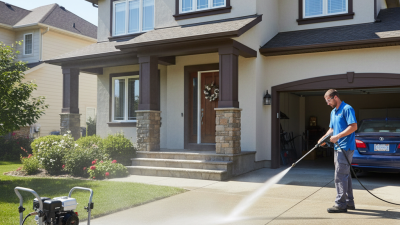
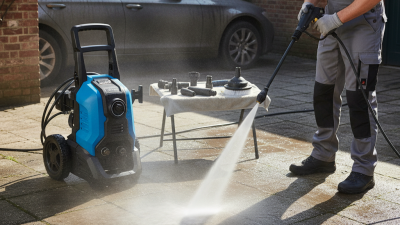
For patios and cars, consider a compact electric washer, a wheeled electric model, or an adjustable-pressure unit. These suit shorter sessions and nearby outlets. For larger driveways, a cold-water gas washer or a commercial-duty gas model offers more mobility. A high-flow unit can help rinse broad surfaces faster. Match the machine to the task, not just its maximum pressure rating.

For frequent work, compare a belt-drive model, a direct-drive model, a hot-water washer, and a commercial electric washer. Add a compact washer with interchangeable nozzles as a tenth option for mixed household tasks. The U.S. EPA’s WaterSense at Work guide lists typical pressure-washer flow rates around 2–5 gallons per minute; check each unit’s specifications, since actual flow varies. More pressure is not always better. A narrow nozzle can damage soft wood or strip paint.

Before buying, check the hose length, power source, rated flow, and available service support. OSHA warns that high-pressure spray can cause serious injury, so use eye protection and keep the nozzle pointed away from people. For occasional cleaning, a commercial-grade machine may be excessive. I would still choose one with a clear pressure adjustment; beginners can misjudge a surface.

How to Match a Pressure Washer to Your Cleaning Needs

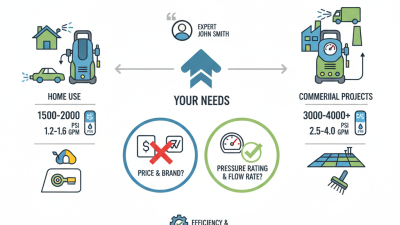
Choosing a pressure washer starts with the surface, not the biggest number on the box. High pressure can strip paint from a wooden fence or leave marks on soft stone. For patio furniture, cars, and light grime, a lower-pressure electric model may be easier to control and store. Check both PSI, which describes force, and GPM, which affects how quickly water moves dirt away. Neither figure tells the whole story. Use a wide spray nozzle on delicate surfaces, and test a hidden area first.

For long driveways, masonry, or frequent commercial jobs, higher flow and a durable pump can save time. Gas-powered machines often suit work far from outlets, but they are louder and need ventilation outdoors. Think about the workday, too. A homeowner washing a deck twice a year has different needs from a crew cleaning several large areas daily. Look for clear duty-cycle guidance and available replacement parts. A common mistake is choosing extra power “just in case.” That can make ordinary cleaning harder, not better. I still find surface condition hard to judge from appearance alone. Start gently, keep the nozzle moving, and adjust only when the test patch stays unharmed.

10 Best Pressure Washers for Home and Commercial Use

Match a pressure washer to the surfaces and cleaning tasks you handle most often.

These values are representative pressure levels in PSI, not product specifications. Start with the lowest effective pressure, use an appropriate nozzle, and test on an inconspicuous area. Delicate surfaces may require lower pressure.