What Is City Cleaning Equipment and How Does It Work?
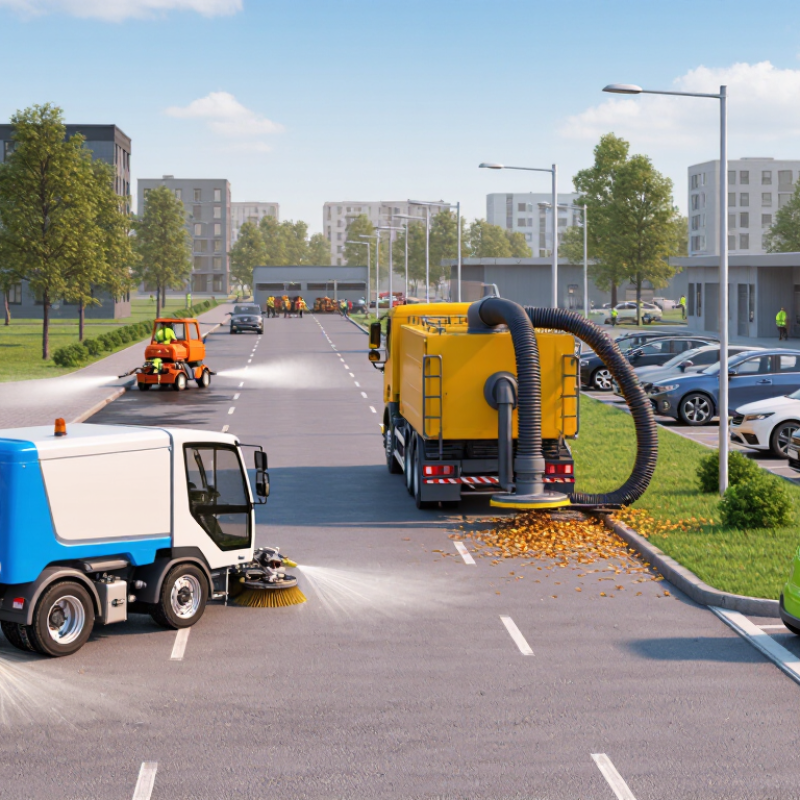
City cleaning equipment includes sweepers, vacuum trucks, pressure washers, litter pickers, and compact utility vehicles. Each machine handles a different kind of public-space mess. A mechanical sweeper uses rotating brushes to guide debris into a hopper. Some models add suction and water sprays to reduce airborne dust. Vacuum trucks collect leaves and small litter from drains or narrow streets. Pressure washers remove stuck grime from pavements, though operators must manage runoff and protect delicate surfaces.
That is the basic picture. The details matter. City cleaning equipment works best when its size, brush pressure, water use, and route match the task. A wide street sweeper may clear an arterial road quickly, but struggle beside parked cars. A small electric unit may reach a plaza early in the morning with less noise. It still needs charging, inspections, and a realistic working range.
For city cleaning teams, equipment is only one part of the result. Trained operators, planned routes, weather, and regular maintenance affect performance. A clogged filter or worn brush can leave grit behind, even when a vehicle looks impressive. Results vary. This is worth remembering. Buyers and residents should also distinguish visible cleaning from less obvious tasks, such as drain clearing and dust control. The sections ahead explain common equipment types, how their systems operate, and what influences their effectiveness. No machine solves every condition. Understanding those limits helps cities choose practical tools and set reasonable expectations.
What City Cleaning Equipment Includes and Why It Is Used
City cleaning equipment covers the machines and tools used to keep streets, sidewalks, parks, and drainage areas usable. Typical equipment includes mechanical or vacuum street sweepers, sidewalk scrubbers, litter collection vehicles, and sewer-cleaning trucks. Hand tools still matter around benches, curb corners, and parked cars. Machines cannot reach every narrow space.
A sweeper uses rotating brushes to move grit toward a pickup system; vacuum models draw debris into a hopper. Operators may adjust brush pressure and water spray to limit dust, though excess water can leave muddy residue. The World Bank’s What a Waste 2.0 report estimated that the world generated 2.01 billion tonnes of municipal solid waste in 2016, with at least 33 percent not managed in an environmentally safe way. That scale helps explain the need for reliable collection and street-cleaning fleets. In the United States, the EPA’s 2018 Advancing Sustainable Materials Management report recorded 292.4 million tons of municipal solid waste, or 4.9 pounds per person per day. These figures describe waste generation, not street debris alone. Still, they show why cities need equipment matched to local routes and waste streams. A machine that works well on a broad road may perform poorly beside a crowded curb. Operational details matter. Dust control, safe visibility, and careful routing all affect daily results.
The Main Types of Equipment for Urban Cleaning
City cleaning equipment includes street sweepers, sidewalk scrubbers, litter vacuums, and wash vehicles. Each tool handles a different kind of mess. Mechanical sweepers use rotating brushes to move leaves and grit toward a collection hopper. Vacuum models draw in finer dust, which can otherwise hang in the air. Dust matters.
For sidewalks and plazas, compact scrubbers spray water and cleaning solution, then brush the surface and recover dirty water. Pressure-washing units remove stuck-on grime from paving and curb edges, though operators must adjust the spray to avoid scattering debris or damaging delicate surfaces. Wash vehicles can rinse broad road areas, often after loose litter has been collected. Not every street.
The right equipment depends on pavement, traffic, weather, and the debris itself. A narrow lane may need a small sweeper, while a wide road can accommodate a larger vehicle. Operators check brushes, filters, water levels, and collection bins before work, then change speed around parked cars and pedestrians. Some corners still need hand tools. Machines save time, but they can miss the same awkward curb gaps repeatedly; route planning and occasional manual checks help catch them.
Key Components That Make the Equipment Work
City cleaning equipment works through several components that share the same task: lifting dirt and containing it. The chassis supports the machine, operator station, and cleaning tools. A battery or engine supplies power to the wheels, brushes, pumps, and vacuum system. The cleaning head makes direct contact with the ground. Rotating brushes loosen grit from pavement, while side brushes guide debris toward a central pickup area.
Different machines handle debris in different ways. A street sweeper may use a conveyor or suction system to move leaves and dust into a hopper. A compact scrubber sprays water and cleaning solution, then uses a squeegee and vacuum to recover the dirty liquid. The tanks matter. Too little clean water can interrupt a route, while a full recovery tank may reduce cleaning performance. Small details count.
Filters help trap fine particles before air leaves the machine. Sensors, lights, and controls help the operator monitor speed, brush pressure, and tank levels, especially near pedestrians or parked vehicles. In daily use, clogged filters and worn brushes can quietly lower performance. Maintenance is easy to postpone, and that can be a costly mistake. Even good equipment may leave residue on uneven paving, so operators need to adjust settings and inspect the cleaned surface.
How City Cleaning Equipment Operates Step by Step
A city sweeper begins with route planning and a safety check. The operator inspects the brushes, suction system, water jets, warning lights, and collection hopper. Water sprays lightly ahead of the brushes to limit airborne dust. Rotating side brushes pull grit and leaves toward the central pickup path. On vacuum models, airflow draws the loosened material into the hopper; mechanical-broom models lift it onto a conveyor. The design varies, but the goal is the same: collect debris without scattering it. Small details matter. A worn brush can leave a visible trail.
The operator adjusts speed and brush pressure for the surface, traffic, and debris. After a pass, the hopper is emptied at an approved transfer or disposal site, then checked for blockages and wear. The World Bank’s 2018 What a Waste 2.0 report estimated that cities generated 2.01 billion tonnes of municipal solid waste in 2016, with at least 33% not managed in an environmentally safe way. Street sweepers handle only part of that wider waste challenge, but careful collection helps keep litter and sediment from moving into drains. Routes still need judgment; parked cars and wet leaves can defeat a tidy plan.
Where and When Different Cleaning Machines Are Used
Street-cleaning machines work best when matched to the surface, debris, and hour.
Mechanical broom sweepers handle curb lanes after rush hour, lifting grit, leaves, and litter before traffic spreads them. Vacuum or regenerative-air sweepers suit streets with finer dust, especially during dry periods. The U.S. EPA identifies street sweeping as a stormwater management practice because it removes pollutants before they enter drains.
Timing matters.
On pedestrian plazas and covered markets, compact scrubbers clean hard surfaces after closing, when foot traffic is low. Pressure-washing units are useful around transit stops and underpasses, but crews need to control runoff and avoid spraying pedestrians.
In autumn, leaf collection needs more frequent passes; after winter, crews may target accumulated sand and road grit. The World Bank’s What a Waste 2.0 report estimates that global waste could rise from 2.01 billion tonnes in 2016 to 3.40 billion tonnes by 2050. That growth puts added pressure on municipal collection and street-cleaning schedules.
A practical route plan pairs machine capacity with local conditions: narrow sidewalks need smaller equipment, while broad roads allow larger sweepers. Operators should inspect brushes, filters, and water systems before each shift.
Small details count.
Still, a neat schedule can miss sudden litter after events or windblown leaves overnight; local crews often need to adjust routes by observation, not data alone.