What Is Professional Cleaning and Why Does It Matter?
Professional cleaning means more than wiping visible dust from desks, floors, or kitchen counters. It combines trained judgment, suitable products, controlled methods, and repeatable standards. A professional cleaner examines how people use a space before choosing a process. High-touch points, such as door handles and lift buttons, may need careful attention. Carpets require different treatment from sealed wood or natural stone. The wrong chemical can leave a dull film or damage a surface.
Reliable professional cleaning also supports healthier, more usable environments. Removing soil, spills, and accumulated dust can improve presentation and reduce avoidable hygiene concerns. However, cleaning is not a magic solution. It cannot replace ventilation, maintenance, or responsible daily habits. That limitation matters. Honest providers explain what their service can achieve, rather than promising perfect protection.
Quality is visible in small details. A clear checklist, labeled equipment, measured dilution, and documented inspection create accountability. Staff should understand product instructions and use appropriate protective equipment. Clients should receive realistic schedules and a way to report missed areas. Even then, results may vary with traffic, building design, and surface condition. A clean lobby can look impressive at 9 a.m. and worn by late afternoon. Professional cleaning matters because it brings structure to an ongoing task, not because it creates perfection. Maybe that is the more useful standard: consistent care, transparent limits, and steady improvement.
Defining Professional Cleaning: Standards, Scope, and Service Categories
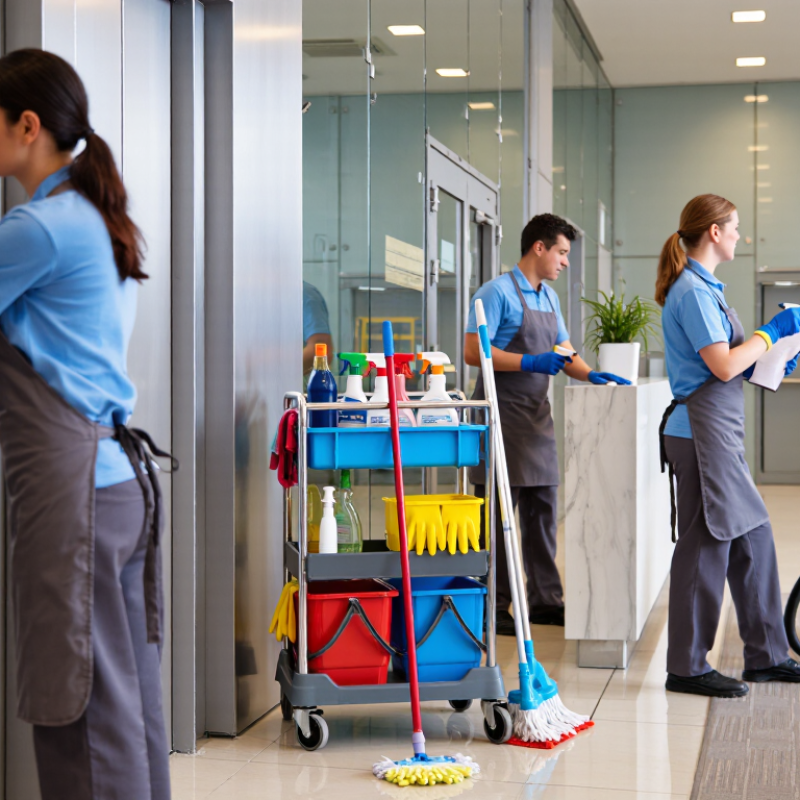
Professional cleaning means more than making a room look tidy. It follows defined methods, trained judgment, and measurable hygiene standards. A professional cleaner identifies surfaces, soil types, risks, and client expectations before work begins. They select suitable tools, use correct dilution, and respect contact times. A kitchen may need degreasing, while a clinic requires stricter touchpoint control. Gloves, labeled containers, and ventilation are practical safeguards. These controls protect occupants, staff, surfaces, and indoor air quality. Records also matter. A dated checklist can show what was cleaned, when, and by whom. In real workplaces, standards are not always perfectly applied. Staff may rush during busy handovers. That weakness deserves review, not concealment.
The scope of professional cleaning varies by setting and agreement. Routine services cover floors, bathrooms, dusting, waste handling, and high-touch surfaces. Deep cleaning reaches neglected edges, grout lines, vents, and behind movable furniture. Specialist categories may include carpet extraction, window cleaning, post-construction cleaning, and infection-sensitive environmental cleaning. Each category needs different equipment, training, and quality checks. A reliable provider explains exclusions before work starts. For example, stain removal is not guaranteed when fibers are damaged or dye has faded. Clear communication prevents unrealistic promises. Supervisors can inspect corners, fingerprints on glass, odor sources, and damp areas. Photos and service logs support accountability, although they cannot replace careful observation. Sometimes a clean-looking surface still needs attention.
What Is Professional Cleaning and Why Does It Matter? - Defining Professional Cleaning: Standards, Scope, and Service Categories
| Dimension | Professional Cleaning Definition or Practice | Typical Scope or Data Point | Why It Matters |
|---|---|---|---|
| Core Purpose | A structured service that removes soil, dust, residues, and selected contaminants using trained personnel, documented procedures, and suitable equipment. | Includes planned cleaning activities rather than occasional or purely informal tidying. | Creates a repeatable level of cleanliness and makes service quality easier to evaluate. |
| Service Standard | Work is performed according to a written scope, task schedule, approved methods, and site-specific requirements. | Standards may cover appearance, hygiene, safety, response times, inspection points, and documentation. | Clear standards reduce inconsistent results and clarify what is included in the service. |
| Routine Cleaning | Regular cleaning carried out on a daily, weekly, or otherwise scheduled basis. | Dusting, vacuuming, mopping, waste removal, restroom care, touchpoint cleaning, and surface wiping. | Controls the gradual buildup of dirt and supports a consistently presentable environment. |
| Deep Cleaning | More detailed cleaning that reaches areas or surfaces not addressed during routine service. | Baseboards, vents, high surfaces, grout, fixtures, built-up deposits, and hard-to-reach areas. | Addresses accumulated soil and helps maintain surfaces that require periodic attention. |
| Sanitizing and Disinfection | Sanitizing reduces microorganisms to an accepted public-health level, while disinfection uses an appropriate product and contact time to destroy many or specified microorganisms on surfaces. | High-touch surfaces, restrooms, kitchens, shared equipment, and areas identified by a risk assessment. | Supports infection-control practices when products, dilution, dwell time, and surface compatibility are correctly managed. |
| Specialized Floor Care | Cleaning and maintenance methods selected for the floor material and its condition. | Vacuuming, damp mopping, machine scrubbing, carpet extraction, polishing, or refinishing where appropriate. | Protects flooring, reduces slip-related risks caused by residues, and improves appearance. |
| Post-Construction Cleaning | Removal of construction-related dust, debris, labels, residues, and visible soil before occupancy or handover. | Rough clean, detailed clean, final clean, and touch-up work may be scheduled in stages. | Prepares a newly built or renovated space for safe, functional, and presentable use. |
| Window and Glass Cleaning | Cleaning of glass and related frames, sills, or tracks using methods suitable for height, access, and surface condition. | Interior glass is commonly serviced separately from exterior or elevated glass. | Improves visibility and appearance while requiring attention to access controls and fall protection. |
| Waste Handling | Collection, segregation where required, containment, and transfer of ordinary waste according to site procedures. | General waste, recyclables, food waste, and regulated or hazardous materials require different controls. | Reduces odors, pests, cross-contamination, and unsafe handling practices. |
| Chemical Management | Selection, labeling, storage, dilution, use, and disposal of cleaning chemicals according to safety information and site procedures. | Safety Data Sheets, container labels, personal protective equipment, and ventilation requirements should be available as applicable. | Limits exposure risks, prevents incompatible chemical mixing, and helps protect surfaces and occupants. |
| Equipment and Tools | Equipment is selected for the task, maintained in working condition, and used according to manufacturer and site instructions. | Examples include vacuum cleaners, microfiber systems, floor machines, wet-floor signs, and extension tools. | Suitable tools improve productivity and reduce damage caused by incorrect cleaning methods. |
| Color Coding and Cross-Contamination Control | Separate tools, cloths, or procedures may be assigned to different areas to reduce transfer of soil and microorganisms. | Restrooms, food-preparation areas, general areas, and clinical or high-risk spaces may require different controls. | Supports hygienic work practices and helps prevent contamination from moving between areas. |
| Training and Competence | Workers should be trained in task procedures, equipment use, chemical safety, personal protective equipment, and incident reporting. | Training depth depends on the environment, hazards, equipment, chemicals, and level of specialization. | Competence improves consistency and lowers the likelihood of injury, surface damage, or incomplete work. |
| Inspection and Quality Control | Completed work is checked against defined requirements through visual inspections, checklists, audits, or other suitable verification methods. | Inspection frequency may be daily, weekly, monthly, or linked to specific tasks and risk levels. | Provides evidence of performance and identifies corrective actions before problems become recurring. |
| Risk-Based Service Planning | Cleaning frequency and methods are adjusted according to occupancy, traffic, surface type, contamination risk, regulatory needs, and client requirements. | High-traffic or high-touch areas generally require more frequent attention than low-use spaces. | Directs time and resources toward areas where cleanliness and hygiene have the greatest practical impact. |
Note: Service frequency, cleaning methods, and acceptance criteria should be adapted to the facility type, applicable regulations, surface materials, occupancy patterns, and documented risk assessment.
Related Posts
-
How to Choose Cleaning Equipment Supplies for Your Business?
-
How to Find a Reliable Professional Cleaning Service?
-
Top 5 Essential Cleaning Equipment and Supplies for a Spotless Home
-

Top 10 Cleaning Accessories Manufacturers in China for Global Buyers?
-
What Are the Top Professional Cleaning Products?
-
Why Choosing Eco-Friendly Cleaning Supplies Can Boost Your Home's Cleanliness by 50%