Why Is Floor Cleaning Important for Businesses?

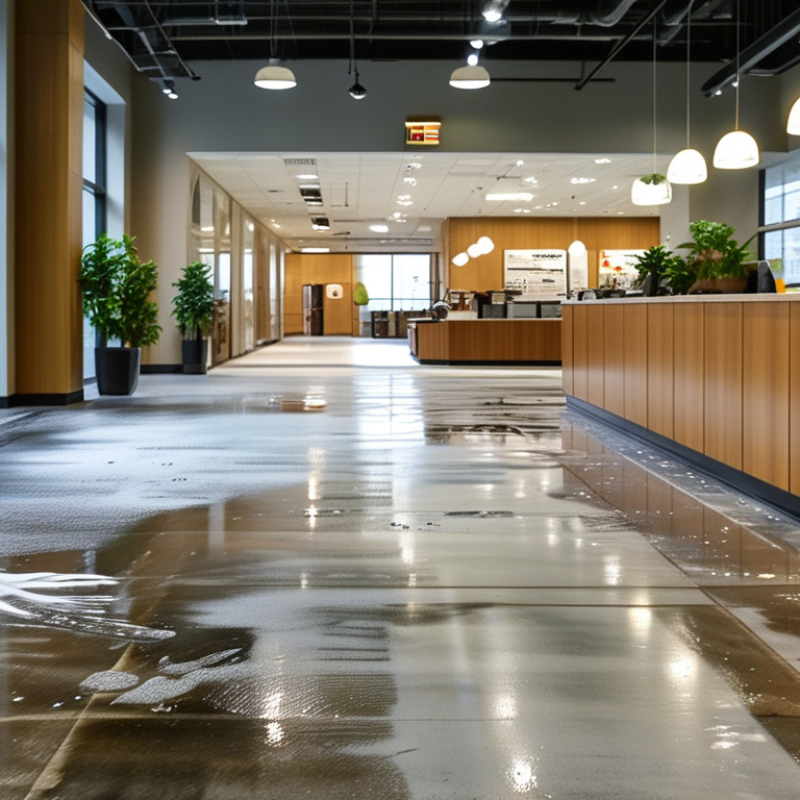
A clean floor does more than improve a business’s appearance. It shapes how customers, employees, and visitors judge the entire workplace. Dust near a reception desk, sticky marks in a shop aisle, or damp footprints across an entrance can quickly suggest poor management. Floor cleaning helps maintain a safer, more welcoming environment while protecting expensive flooring from gradual damage.

Different businesses face different cleaning demands. A restaurant may need grease removal around food preparation areas. An office may mainly deal with dust, spills, and heavy traffic near elevators. Warehouses often require careful treatment of concrete floors and visible safety markings. Effective floor cleaning depends on the surface, soil type, foot traffic, and suitable equipment. Using the wrong chemical or excessive water can create new problems, including dull finishes, slippery patches, or damaged joints. Small details matter.

Good practice is consistent, documented, and adjusted when conditions change. Staff should inspect entrances, corners, restrooms, and busy walkways rather than relying on appearance alone. A written schedule can support accountability, although schedules should not replace judgment. Unexpected spills still need immediate attention. There is no perfect routine for every business. That is worth remembering.

Professional cleaners can offer practical knowledge about floor materials, dilution rates, machinery, and maintenance intervals. Their recommendations should be clear and supported by product instructions or recognized industry guidance. Regular inspections also provide useful evidence. They show whether cleaning standards are working or need revision. In the long term, thoughtful floor cleaning can support hygiene, reduce avoidable repairs, and strengthen customer confidence. It is a modest task with visible consequences.
Why Is Floor Cleaning Important for Businesses?

What Floor Cleaning Means in a Business Environment

Why Is Floor Cleaning Important for Businesses?

What Floor Cleaning Means in a Business Environment

Floor cleaning in a business environment is more than removing visible dirt. It supports safe movement, professional presentation, and healthier daily operations. Customers notice sticky entrances, dull tiles, and damp smells quickly. Employees notice them too. Details matter. These signs can suggest weak maintenance, even when the workplace looks organized.

Effective cleaning starts with the floor itself. Porcelain tile, sealed concrete, carpet, and natural stone require different methods. Using too much water can damage flooring or create slippery paths. Using too little attention leaves fine grit near doorways and under desks.

Experienced cleaning teams inspect traffic patterns, moisture levels, and problem areas before choosing a schedule. A busy lobby may need attention several times daily, while a quiet office may need less frequent service.

Written checklists improve consistency, but they are not perfect. Staff can miss corners during rushed periods. A reliable plan also records products, equipment, floor conditions, and completed tasks. This gives managers useful evidence for practical quality checks. Regular inspections may reveal worn seals, loose edges, or stains that routine mopping cannot solve. Those findings should guide repairs, not be hidden beneath stronger chemicals. A manager may discover that one overlooked entrance changes the entire cleaning priority on a wet morning.

How Clean Floors Support Workplace Health and Safety

Why Is Floor Cleaning Important for Businesses?

How Clean Floors Support Workplace Health and Safety

Clean floors are a practical part of workplace safety, not merely a visual concern. Dust, spilled drinks, grease, and loose packaging can create slipping or tripping hazards. In busy offices, one unnoticed spill may affect several people within minutes. Regular cleaning removes these risks before they become accidents.

A reliable floor-care routine should match the workplace. Food areas may need frequent degreasing, while offices need dust removal and prompt spill response. Entryways deserve extra attention during wet weather. Mats should be checked daily because saturated mats can spread moisture instead of containing it. Clear warning signs also help protect employees and visitors while floors are drying.

Clean flooring supports healthier indoor conditions as well. Fine dust can collect near desks, shelves, and ventilation points, then return to the air through foot traffic. Consistent vacuuming and damp mopping can reduce this buildup. However, no cleaning plan is perfect. A schedule may look complete while neglected corners remain dirty. Supervisors should inspect high-traffic areas, record recurring problems, and adjust cleaning times when work patterns change. A short inspection after cleaning can reveal wet patches, damaged surfaces, or residue that routine work missed.

Which Business Areas Require Regular Floor Cleaning

Floor cleaning is not merely a cosmetic task for businesses. It affects safety, hygiene, and the way customers judge a workplace. In my experience, entrances require the most attention because rainwater, dust, and grit collect quickly near doors. Damp mats should be checked often. Otherwise, they may spread moisture instead of containing it. Reception areas also need regular vacuuming and mopping. Customers notice footprints, dull patches, and unpleasant smells within seconds.

Which business areas require regular floor cleaning?

Retail aisles need frequent care because food particles, packaging dust, and spilled liquids can create slipping risks. Restaurants require deeper cleaning, especially beneath tables, counters, and food preparation zones. Grease can remain invisible while making floors dangerously slick. Offices may need less frequent washing, but corridors, lifts, and shared kitchens still collect heavy traffic and bacteria. In healthcare and childcare settings, cleaning schedules should be stricter. Staff should follow approved procedures, use suitable products, and respect each floor’s material.

Warehouses deserve attention too. Forklift paths, loading areas, and staff entrances often carry oil, soil, and metal dust indoors. A practical inspection should check corners, grout lines, and areas beneath equipment. Cleaning logs improve consistency, although they are not perfect. A rushed inspection can miss a sticky patch under a chair. Human judgment still matters. Managers should review traffic patterns and adjust cleaning frequency when weather, staffing, or customer volume changes.

How Professional Floor Cleaning Methods Work

Why Is Floor Cleaning Important for Businesses?

How Professional Floor Cleaning Methods Work

Professional floor cleaning starts with inspection, not a bucket of solution. Technicians identify flooring material, traffic patterns, stains, and damaged edges. A polished stone floor needs different chemistry from sealed vinyl or textured ceramic tile. They also check moisture risks near entrances, drains, and stored equipment. This step prevents avoidable damage. Small details matter.

The working method usually follows a controlled sequence. Loose grit is removed with vacuuming or dust mopping, because grit can scratch surfaces during scrubbing. The cleaner then measures the solution and follows the stated dilution. Too much chemical may leave a sticky film. Too little may fail against oily soil. After application, the solution needs contact time. Mechanical agitation loosens embedded dirt from pores and grout lines. An extractor or clean mop removes the suspended soil. Clean water may be needed afterward. Floors must dry quickly, especially near customer walkways.

Experienced crews use warning signs, suitable gloves, and equipment matched to the floor. They inspect results under normal lighting, not only bright work lights. I have seen floors look clean while fine residue remained along corners. That is an easy miss. Review matters. A maintenance plan should adjust cleaning frequency, pad choice, and drying procedures according to real traffic. No method is perfect. Weather, footwear, and rushed scheduling can change the outcome. Honest records help businesses correct weak points before they become expensive repairs.

Why Is Floor Cleaning Important for Businesses? – How Professional Floor Cleaning Methods Work
Professional Cleaning Method Common Commercial Floor Types Typical Planning Frequency How the Method Works Key Operating Data Business Benefit
Dry Dust Mopping Tile, polished concrete, vinyl, stone, and sealed hard floors Daily in busy entrances and corridors; more often during bad weather Microfiber or treated dust mops collect loose soil, grit, and hair before they are spread or ground into the floor. Uses little or no water; should be completed before wet cleaning. Reduces visible debris, protects floor finishes from abrasive grit, and lowers slip and trip risks caused by loose particles.
Damp Mopping Resilient flooring, ceramic tile, sealed concrete, and other water-resistant surfaces Daily to several times per week, depending on traffic and contamination A controlled amount of cleaning solution loosens water-soluble soil, which is then removed with a clean mop or pad. Use correctly diluted solution; excessive water can increase drying time and damage moisture-sensitive materials. Removes tracked-in soil and spills while maintaining a cleaner appearance between deep-cleaning cycles.
Automatic Scrubbing Large areas of tile, vinyl, concrete, terrazzo, and sealed resilient floors Daily to weekly in high-traffic facilities; scheduled according to soil load Rotating brushes or pads agitate the floor while a solution is applied and a vacuum system recovers the dirty water. Combines mechanical agitation, chemical action, and water recovery in one pass. Provides more consistent cleaning across large areas and leaves less residual water than traditional mopping.
Low-Moisture Carpet Cleaning Commercial carpet tiles and low-pile carpeting Weekly to monthly for routine maintenance, based on traffic Encapsulation or controlled-moisture processes surround soil particles so they can be removed by extraction or subsequent vacuuming. Generally uses less moisture than full extraction; drying time depends on airflow, humidity, carpet construction, and soil level. Helps maintain appearance while reducing disruption in occupied offices, retail spaces, and hospitality areas.
Hot Water Extraction Textile flooring, commercial carpets, and heavily soiled carpeted areas Quarterly or as needed; increase frequency in entrances and food-service areas Pre-spray loosens embedded soil, hot water rinses the fibers, and a vacuum removes the suspended soil and moisture. Requires controlled water application and sufficient ventilation or airflow for thorough drying. Removes deeper soil and residues that routine vacuuming and low-moisture cleaning may not address.
Spray Buffing or Burnishing Maintained resilient floors and some finished hard-floor surfaces Weekly to monthly, depending on finish wear and appearance requirements A high-speed pad removes light marks and smooths the surface of a compatible floor finish. Only appropriate for floors and finishes designed for the selected pad speed and process. Improves gloss and removes light scuff marks without requiring complete floor stripping.
Deep Scrubbing and Floor Stripping Finished resilient floors, such as vinyl composition tile and similar surfaces Several times per year or when accumulated finish becomes dull or damaged Agitation and a suitable stripping solution remove worn finish layers and embedded residue before rinsing and refinishing. Requires controlled chemical dilution, wet-floor signage, thorough rinsing, and adequate drying time. Restores the surface for new finish application and can extend the service life of the flooring.
Spill Response and Spot Cleaning All floor types, with products selected for the specific material Immediately after spills or visible contamination are reported The affected area is isolated, the spill is removed, and the surface is cleaned with a compatible product before it dries or spreads. Wet-floor signs or barriers should remain in place until the surface is safe and dry. Limits staining, reduces slip hazards, protects indoor air quality, and prevents small problems from becoming costly repairs.
Planning note: Cleaning frequencies are typical commercial planning ranges, not universal requirements. Actual schedules should be adjusted for foot traffic, weather, floor material, soil type, occupancy, and the manufacturer’s care instructions.

How to Establish an Effective Floor Cleaning Schedule

Why Is Floor Cleaning Important for Businesses?

A clean floor protects visitors, staff, and the business’s daily operations.

The U.S. Bureau of Labor Statistics reports that falls, slips, and trips account for roughly one-fifth of workplace injury cases involving days away from work.

A practical floor cleaning schedule can reduce visible hazards before they become expensive incidents. It also improves customer confidence.

Mud near an entrance, sticky residue in a café, or dust along a reception desk sends an immediate message about management standards.

How to Establish an Effective Floor Cleaning Schedule

Begin with a written site assessment. Mark entrances, kitchens, restrooms, loading areas, and other high-traffic zones. Inspect these areas during opening, midday, and closing.

Clean spills immediately. Do not wait for the scheduled round.

Most businesses need daily sweeping and mopping in busy areas. Restrooms and food-service spaces may require checks every two to four hours. Vacuum carpets daily where foot traffic is heavy.

Schedule deeper machine cleaning weekly or monthly, depending on soil levels and flooring materials. Wet floors should be clearly managed until dry, following occupational safety guidance from the Occupational Safety and Health Administration.

Record each task, including time, location, product dilution, and employee initials. Supervisors should review the log weekly.

A perfect schedule can still fail when rain, events, or staffing changes occur. That weakness needs attention.

Adjust cleaning frequency using inspection results, not habit. The CDC also recommends cleaning high-touch and frequently used surfaces more often when they become visibly soiled, supporting a flexible, risk-based approach.