2026 Best Soft Wash Power Washing Equipment for Buyers

Choosing the right soft wash power washing equipment in 2026 is about more than comparing pump ratings. A setup must deliver a steady, controllable flow and withstand repeated contact with the products it is designed to handle. Hoses, seals, fittings, and proportioning components deserve close attention. Small failures can interrupt a job.

Soft-wash educator Doug Rucker’s equipment guidance can be paraphrased this way: “Choose for controlled application and dependable performance, not the biggest number on a spec sheet.” That is a useful lens for buyers. A large pump may look impressive, yet it can be a poor match for the work, water supply, or crew. Fit matters.

This guide compares equipment by practical details: flow, chemical compatibility, portability, service access, and the support available after purchase. It also considers how a system feels in use: the reach of a hose, the stability of a cart, and the effort required to rinse components after a job. Details matter. No single setup suits every buyer, and product claims should be checked against manufacturer specifications. Even a careful comparison has limits; real-world conditions vary, and that deserves honest attention.
2026 Best Soft Wash Power Washing Equipment for Buyers

What Soft Wash Power Washing Equipment Is and How It Works

Soft wash power washing equipment applies cleaning solution at low pressure, then rinses surfaces with controlled water flow. A typical setup includes a chemical tank, low-pressure pump, metering valves, chemical-resistant hoses, and spray tips. The operator adjusts the dilution and spray pattern for the surface and soil. Unlike high-pressure cleaning, the goal is not to blast grime away. The solution needs time to work. Not too long.

A 2023 Grand View Research report valued the global pressure washer market at about $2.5 billion in 2022. That figure describes the broader equipment market, not soft wash performance, but it shows the scale of demand for cleaning systems.

In practice, consistent results depend on calibrated dosing, steady flow, and a careful rinse. Operators should follow product-label directions, use suitable protective equipment, and manage runoff responsibly.

The weak point? Rushed application. A shaded wall may need a different dwell time than a sunlit one, and judgment still matters. That part takes practice.

Core Components of a Soft Wash System

A soft wash system depends on balanced components, not simply a pump and a tank. The water supply tank should be sized for the job, with a secure lid and a clear way to check the level. A chemical tank needs compatible fittings and materials, since unsuitable seals can swell or leak. Small parts matter.

The pump moves the solution through the system, so match its flow capacity and chemical compatibility to the equipment instructions. A proportioning setup controls how much solution enters the water stream. Check that its settings are repeatable; guessing can lead to uneven coverage. Add an inline filter to catch debris before it reaches the pump or nozzle. Leaks waste time.

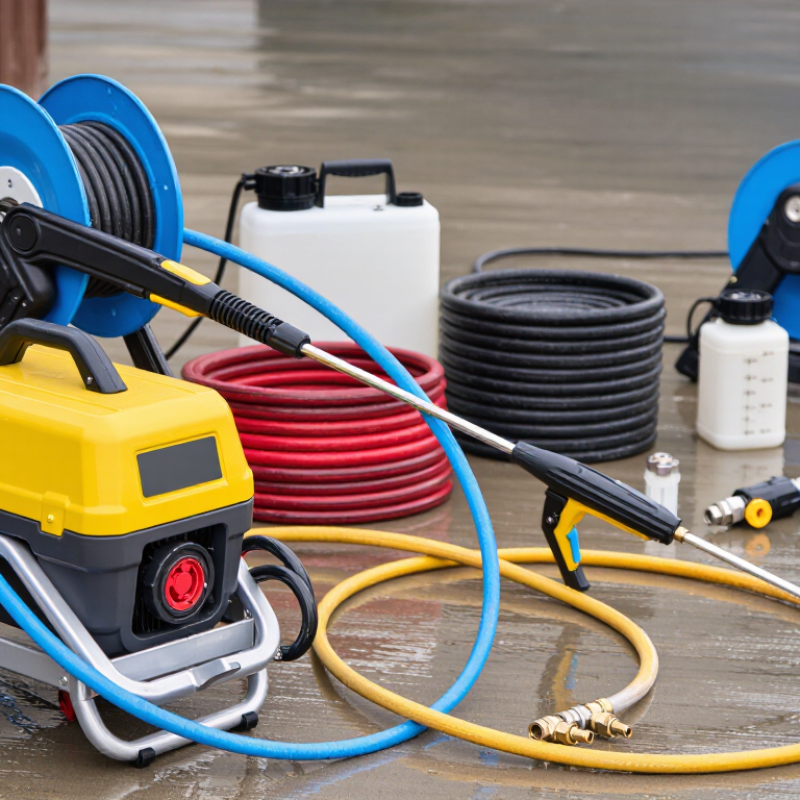
Use chemical-resistant hoses with fittings that stay secure under operating conditions. At the end of the line, a spray wand and suitable nozzle help distribute solution over broad surfaces and detailed areas. Soft wash is about controlled application, not forcing water through a narrow tip at high pressure. Keep the spray pattern even, and test on a small, inconspicuous area first.

I have seen buyers focus on tank size and overlook hose length, which can make setup awkward around a building. That choice is not always obvious. Include shutoff controls, pressure monitoring where appropriate, and protective equipment specified for the solution. Review the component instructions together; a mismatch between parts can affect flow, durability, and consistent application.

2026 Best Soft Wash Power Washing Equipment for Buyers - Core Components of a Soft Wash System
System Component Typical Specifications Primary Function Buyer Checks
Soft-wash pump Common electric diaphragm setups deliver approximately 4–10 GPM at low pressure; actual output varies with hose length, elevation, and chemical mixture. Moves cleaning solution from the tank to the application hose and nozzle. Confirm chemical compatibility, rated flow and pressure, duty cycle, voltage, and availability of service parts. Do not select by maximum flow alone.
Power source Options include 12 V or 24 V battery systems, or engine-driven setups. Electrical pump requirements depend on the specific pump. Supplies power to the pump and, where fitted, control equipment. Check battery capacity, charging method, wiring gauge, fuse protection, and whether the power source matches the pump’s voltage and current requirements.
Chemical tank Usually a chemical-compatible plastic tank; capacity is selected for the job size, vehicle space, and solution weight. Stores the prepared cleaning solution or, in some systems, concentrated chemical for proportioning. Verify material compatibility with the intended chemicals, secure mounting, a closable fill opening, a visible level indicator, and practical drain access.
Water tank or water supply connection May be a dedicated water tank or a connection to an approved on-site supply. Tank capacity varies by workflow and transport limits. Provides water for mixing, rinsing, or feeding the system. Check supply flow, backflow-prevention requirements, tank restraint, and total loaded vehicle weight. Never assume a pump can draw reliably from every water source.
Intake strainer and filter Mesh size and filter capacity should suit the pump manufacturer’s inlet requirements and the water source. Helps keep debris from entering the pump and obstructing valves or nozzles. Choose a chemical-compatible, cleanable or replaceable filter that is easy to inspect. Keep a spare element available.
Hoses and fittings Use hose and seals rated for the system’s operating pressure and compatible with the chemicals being handled. Connects the tank, pump, valves, and application wand while carrying solution. Check chemical compatibility, pressure rating, inside diameter, connection type, abrasion resistance, and leak-free coupling fit.
Mixing and proportioning controls Systems may use batch mixing in a tank or separate chemical and water feeds with proportioning controls. Sets the solution concentration delivered for a particular cleaning task. Look for clearly identified valves, repeatable adjustment, secure connections, and a procedure for confirming dilution. Follow product-label directions.
Application wand and nozzle Low-pressure application equipment is selected for the desired spray pattern, reach, and pump output. Applies solution to the work surface without relying on high-pressure cleaning. Confirm chemical compatibility, suitable reach, controlled spray pattern, and the ability to rinse equipment safely after use.
Pressure gauge and regulator or bypass Ratings and settings must match the pump and plumbing; exact operating pressure is system-specific. Helps monitor pressure and manage flow in systems designed with regulation or a return bypass. Use components rated for the system and follow the pump’s operating instructions. Ensure a bypass return is routed safely if the design requires one.
Shutoff valves and fittings Valve materials and seals should be suitable for the solution and the system’s pressure range. Isolates sections of the system and helps control flow during operation or maintenance. Check for easy access, clear valve identification, compatible seals, and a safe way to relieve pressure before servicing.
Personal protective equipment Selection depends on the chemical label and task; may include chemical-resistant gloves, eye or face protection, and protective clothing. Reduces exposure risks during mixing, application, and equipment maintenance. Follow the safety data sheet and product label. Keep appropriate spill-response supplies and clean-water access available.
Rinse and maintenance supplies Provide clean water and the cleaning procedure specified by the pump and chemical manufacturers. Supports flushing and routine care of wetted components after use. Confirm the system can be flushed safely and that seals, filters, and hoses can be inspected and replaced as needed.

Buyer note: Specifications shown are general, illustrative ranges or configuration-dependent descriptions—not guaranteed ratings. Verify every component’s pressure, flow, electrical, and chemical-compatibility requirements with its manufacturer before purchase or operation.

How to Choose Equipment for Your Cleaning Needs

Choose equipment by the surfaces you clean, not by the largest pressure rating on a sales sheet. Siding, painted trim, and roof materials often need controlled application rather than force. A low-pressure pump with a steady flow can help apply solution evenly across broad areas. Check that the pump, seals, hose, and fittings tolerate the cleaning products you plan to use.

Think about the worksite, too. A long hose can reach around a house, but it adds weight and may reduce convenient handling. Tank size affects how often you refill; a compact setup may suit occasional jobs, while larger properties can demand more capacity. Small details matter. Test the spray pattern on a discreet area, and make sure the equipment can rinse surfaces thoroughly with clean water.

Plan for safe, repeatable work. Choose adjustable application options, secure hose connections, and wear protective gear suited to the product label. Keep people, pets, and nearby plants away from spray and runoff. Read the chemical instructions before selecting compatible equipment, and follow local requirements for storage and disposal. A setup that looks efficient on paper may feel awkward on a ladder or in a narrow yard. That costs time. Consider your water source, transport space, maintenance needs, and typical job size before buying.

2026 Best Soft Wash Power Washing Equipment for Buyers

Use these typical planning ranges to compare pump flow for different cleaning needs. Actual output varies with pump type, hose length, elevation, and operating pressure; check the pump’s flow rate under working conditions before buying.

Buyer tip: Match the pump’s delivered flow to the job, and use low-pressure application equipment designed for soft washing. A pump’s maximum rated flow may not reflect its output at the nozzle.

Comparing Soft Wash Equipment Types for 2026 Buyers

2026 Best Soft Wash Power Washing Equipment for Buyers

Comparing soft wash equipment types for 2026 buyers starts with the pump, not the advertised pressure. A 12-volt diaphragm system suits smaller jobs and mobile setups, while an engine-driven system can support longer workdays and higher flow. Battery-powered units reduce noise and simplify starts, but runtime depends on battery capacity, temperature, and workload. Quiet matters. Check that wetted parts are compatible with the solutions you plan to use. Seals and fittings can fail sooner than expected when compatibility is overlooked.

Cart-mounted equipment is easier to move between residential sites. Skid-mounted systems can carry larger tanks and hose reels, but need suitable vehicle space and secure mounting. Compare flow rate, hose length, tank capacity, and access to a clean water supply. Bigger is not automatically better. A high-capacity setup may add weight and maintenance without helping on small properties. No setup is perfect; the right choice depends on the surfaces, travel distance, and job frequency.

Tips: Ask for pump specifications and replacement-part availability before buying. Inspect connections, filters, and strainers regularly, especially after dusty jobs. Test first. Use low pressure on a small, inconspicuous area, and follow equipment instructions for dilution, rinsing, and protective gear. Keep a simple maintenance log; it may feel fussy, but missed checks can lead to downtime.

Safety, Maintenance, and Long-Term Operating Costs

Soft-wash equipment should be judged by how safely it handles chemicals, not just by its advertised output. Look for chemical-compatible tanks, seals, and hoses, plus clear controls that are easy to reach while wearing gloves. Keep chemical containers secured and labeled, and use eye protection and suitable gloves during mixing and maintenance. A small splash can turn a routine setup into a serious interruption.

Inspect hoses for bulges, soft spots, and loose fittings before each job. Rinse the system as directed after use, since dried residue can clog injectors and shorten seal life. Check filters and connections regularly. Small leaks matter. Keep a simple log of repairs, cleaning, and replaced parts; it helps reveal recurring failures, though busy crews may forget to update it. That is a real weakness in many maintenance plans.

Long-term costs include more than the purchase price. Budget for fuel or power, replacement seals, hoses, nozzles, protective gear, and time spent flushing the system. Downtime is expensive. A cheaper unit may cost more if its parts wear quickly or service is difficult to arrange. Compare expected maintenance intervals and parts availability, then estimate costs across several seasons. The numbers will still be imperfect, but a written estimate is better than guessing from the initial price alone.