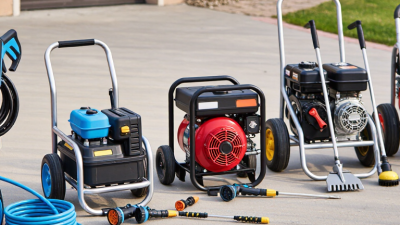
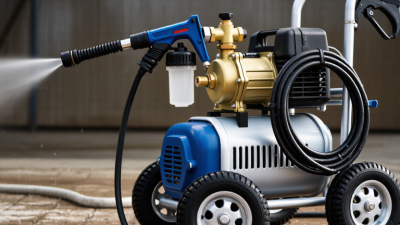
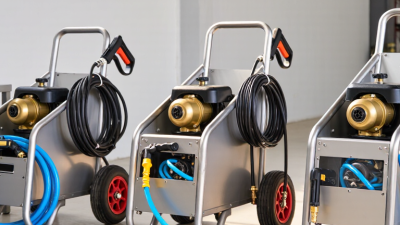
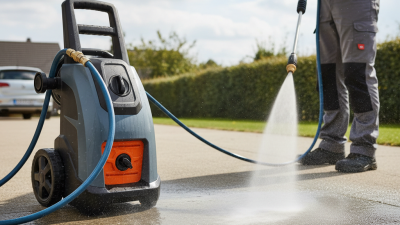
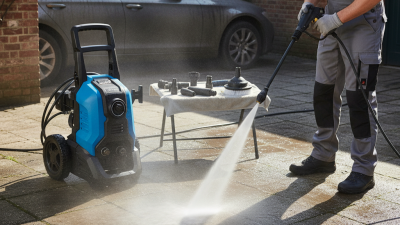
Choosing a water pressure washer is not just about buying the machine with the highest PSI. The right model should clean effectively without damaging siding, decking, vehicles, or delicate outdoor furniture. A broad spray can rinse a patio safely; a narrow, forceful jet may strip paint or scar wood. Small details matter, too: hose length, nozzle storage, wheel stability, and how easily the unit starts after sitting in a garage.
Pressure-washer reviewer Doug Mahoney’s hands-on testing points to a useful buying principle: match the machine to the task, rather than chasing the biggest pressure rating. That is a paraphrase of the approach reflected in his product reviews, not a direct quotation. For homeowners, a compact electric model may handle patio chairs and garden tools with less noise and upkeep. Businesses cleaning larger areas may need stronger output, longer run times, and components built for frequent use. A bigger machine is not automatically better.
This guide compares ten options for home and business use, focusing on practical performance, handling, and everyday value. We consider where each unit fits, what it may struggle with, and which details deserve a closer look before purchase. Ratings alone can mislead. A pressure washer that excels on concrete may be too aggressive for a painted fence. No single choice suits every job, and real-world results also depend on the nozzle, surface, and technique. The comparisons below aim to make those trade-offs easier to see.
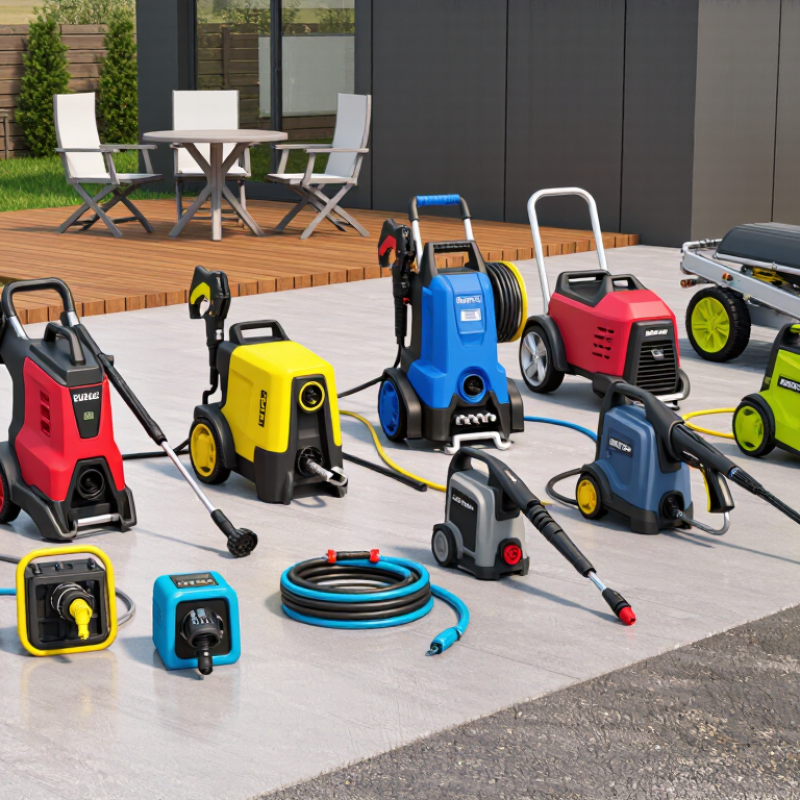
A water pressure washer uses a pump to raise incoming water pressure, then sends it through a narrow nozzle. The concentrated stream loosens soil from concrete, siding, equipment, and other hard surfaces. Pressure, measured in pounds per square inch, affects impact; flow, measured in gallons per minute, affects how quickly debris is rinsed away. Pressure alone is not the whole story. A narrow nozzle can damage soft wood or force water behind siding, so test an inconspicuous patch and keep the tip moving.
Water use matters at home and on job sites. The U.S. EPA’s WaterSense at Work guide reports typical pressure-washer flow of about 2–4 gallons per minute, compared with 10 gallons per minute or more from an open hose. Less water, often. The result still depends on the task, nozzle, and operator. Cold-water units handle ordinary mud and dust; heated water can help loosen oily grime. In practice, a stubborn stain may need slower passes, not more pressure. Collecting wash water and limiting detergent also helps keep runoff out of storm drains. The small details are easy to miss.
When choosing a pressure washer, match its output to the work, not the biggest number on the box. Pressure is measured in PSI, while gallons per minute affects how quickly loosened dirt rinses away. Driveway grime, patio algae, and delicate siding need different approaches. Too much force can strip paint or scar soft wood. Start with a wide spray pattern and test a hidden area. Small test first.
Consider power and duty cycle, too. Electric models can suit occasional cleaning near an outlet. Gas-powered models may offer more mobility across larger sites, but they bring extra noise and maintenance. For business use, check the rated operating time and cooling design. Long sessions can expose weak components, and specifications are not always easy to compare. I would verify them in the manual rather than guess.
Look for a hose that reaches around a vehicle, stable wheels, and fittings that are easy to access. A detergent tank can be convenient, but confirm which cleaning solutions the machine supports. Check water-supply requirements and winter storage instructions before buying. Gloves and eye protection are sensible because spray can throw grit back toward the operator. The purchase price is only part of the cost; repairs, replacement nozzles, and storage space matter too.
| Washer Type | Best For | Typical Working Pressure | Typical Water Flow | Power Source | Key Advantages | Important Selection Factor |
|---|---|---|---|---|---|---|
| Compact electric | Small patios, outdoor furniture, bicycles, and occasional light cleaning | 1,300–1,800 PSI | 1.1–1.5 GPM | Household electricity | Lightweight, relatively quiet, and easy to store | Check that the electrical supply and extension-cord setup meet the unit’s requirements. |
| Mid-range electric | Cars, fences, decks, and general home maintenance | 1,800–2,300 PSI | 1.4–1.8 GPM | Household electricity | Convenient for routine jobs with no fuel or engine maintenance | Compare water flow as well as pressure; flow has a major effect on rinsing speed. |
| Heavy-duty electric | Larger driveways, masonry, and frequent residential cleaning | 2,000–2,500 PSI | 1.8–2.5 GPM | Household electricity | More cleaning capacity while avoiding engine exhaust and fuel storage | Confirm the circuit can support the motor and use suitable outdoor-rated connections. |
| Entry-level gas | Detached homes, larger yards, and jobs away from electrical outlets | 2,400–3,000 PSI | 2.0–2.5 GPM | Gasoline engine | Portable and generally offers more flow than compact electric units | Account for engine maintenance, fuel, noise, and outdoor-only operation. |
| General-purpose gas | Driveways, siding, fences, and regular property maintenance | 2,800–3,500 PSI | 2.3–3.0 GPM | Gasoline engine | Balances cleaning output and mobility for varied outdoor tasks | Choose adjustable pressure or appropriate nozzles to reduce the risk of surface damage. |
| High-flow gas | Large paved areas, farm equipment, and demanding outdoor work | 3,000–4,000 PSI | 3.0–4.0 GPM | Gasoline engine | Higher flow can clear broad areas and rinse debris more quickly | Verify that hoses, fittings, and accessories are rated for the machine’s pressure and flow. |
| Hot-water professional | Commercial equipment, greasy surfaces, and fleet maintenance | 2,000–4,000 PSI | 2.5–5.0 GPM | Fuel-powered or electric pump with a separate heating system | Heated water can help with oily or greasy soil when used appropriately | Consider heating-fuel use, ventilation, water-temperature limits, and added service needs. |
| Cold-water commercial | Contractors, large properties, and frequent general-purpose cleaning | 3,000–4,000 PSI | 3.0–5.0 GPM | Usually gasoline or diesel; some electric models | Designed for extended or frequent work, with higher-duty components on many models | Check the duty rating, pump serviceability, warranty terms, and available replacement parts. |
| Stationary electric | Workshops, wash bays, and facilities with a fixed cleaning area | 1,500–3,500 PSI | 1.5–4.0 GPM | Fixed electrical installation | No fuel handling at the point of use; can suit a dedicated wash station | Match voltage, phase, amperage, water supply, and installation requirements before purchase. |
| Trailer-mounted professional | Mobile cleaning businesses, remote sites, and large outdoor jobs | 3,000–4,000 PSI | 4.0–8.0 GPM | Typically fuel-powered, sometimes with an onboard water tank | Combines high output with transportable equipment and job-site flexibility | Check towing capacity, tank capacity, operating time, local regulations, and total setup cost. |
Specification ranges are typical examples, not guarantees for every model. Actual working pressure and water flow vary by equipment and setup. Use the correct nozzle and test on an inconspicuous area; excessive pressure can damage paint, wood, mortar, and other surfaces.
Ten top water pressure washers for home and business should be compared by pressure, water flow, power source, and intended workload—not headline PSI alone. PSI indicates cleaning force, while gallons per minute (GPM) affects how quickly a surface can be rinsed. A machine that suits a small patio may feel underpowered on a long commercial driveway. Too much pressure can also scar soft wood or strip paint. Small details matter.
The U.S. Environmental Protection Agency’s WaterSense guidance estimates that outdoor water use accounts for more than 30% of average household water use nationally, with higher shares in drier regions. That figure covers outdoor uses broadly, not pressure washers specifically, but it makes water efficiency worth checking. Compare listed GPM, nozzle options, and whether the unit supports detergent application. For regular business use, also examine duty cycle, hose reach, serviceability, and available electrical supply. For occasional home cleaning, portability and easy storage may matter more. Honestly, spec sheets rarely show how tiring a heavy hose feels after an hour. Test the handling if possible, and match the machine to the surfaces you clean most.
A water pressure washer should match the work, not just the highest pressure on its label. For home use, cleaning patio furniture or a short driveway often calls for manageable pressure and steady water flow. Larger commercial areas benefit from higher output, durable fittings, and longer working cycles. Pressure, measured in PSI, helps remove stubborn grime; flow rate, measured in GPM, affects how quickly debris rinses away. Both matter. A powerful machine can still feel slow if its flow is limited.
Tips: Test a small, hidden patch first. Start with a wider spray pattern, then adjust carefully. Keep the nozzle moving, especially on painted wood and softer stone.
Features affect comfort and cost. A hose reel, quick-connect fittings, and adjustable pressure can save time across repeated jobs. Electric models are often quieter and need less routine engine care; fuel-powered units can suit sites without convenient outlets. Compare purchase price with detergent, water, electricity or fuel, and likely maintenance. Check hose and pump replacement costs before buying. Exact expenses vary with local utility rates and weekly use, so estimates deserve a little skepticism. I would also leave room in the budget for repairs; that part is easy to overlook.
Before starting a pressure washer, check the hose, trigger, and connections for cracks, leaks, or loose fittings. Wear safety glasses and closed-toe shoes; a narrow spray can cut skin or send grit flying. Keep both hands on the wand when possible, and point it away from people, pets, windows, and electrical equipment. Start with a wider nozzle and test on an out-of-sight patch. The jet may strip paint or mark soft wood faster than expected. Keep stable footing. Avoid using the machine from a ladder, where recoil can upset your balance. It is easy to rush this check, especially when a patio looks ready for cleaning.
After use, release pressure by switching off the machine and squeezing the trigger as directed in its manual. Disconnect the water supply, then inspect the inlet screen and remove sand or leaves. Rinse the nozzle if its spray pattern becomes uneven; never clear it while the unit is running. Small checks matter. Look for worn seals and damaged hoses before storing the washer. Drain remaining water, and follow the manual’s storage instructions in freezing weather to reduce the risk of cracked parts. A quick wipe-down is useful, but it does not replace inspection. Some wear is easy to miss until the next start.