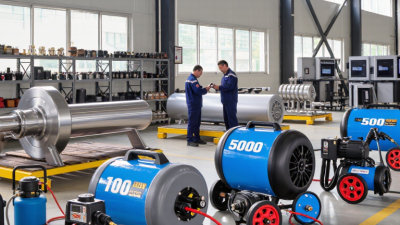
Top China Pressure Washer Cleaning Machines for Global Buyers
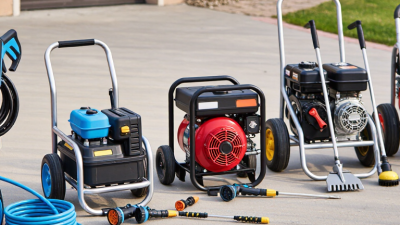
For global buyers, choosing a pressure washer cleaning machine from China involves more than comparing maximum pressure and price. A model that looks powerful on a product page may not suit daily commercial work, limited water supply, or local service conditions. Buyers should compare working pressure, water flow, motor type, pump materials, operating temperature, and recommended duty cycle. Small details matter.
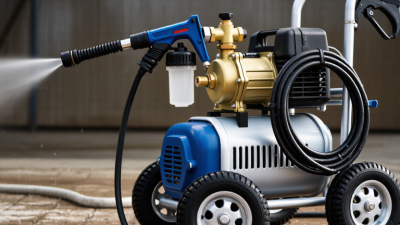
A brass pump head, clear wiring diagram, and accessible replacement parts can make maintenance easier. So can a realistic assessment of shipping, spare-parts availability, and supplier communication. Specifications should be checked against the intended use, whether that means washing vehicles, cleaning workshop floors, or removing grime from equipment. Still, higher pressure is not always better; the wrong setting can damage delicate surfaces or waste water. There is no universal winner.
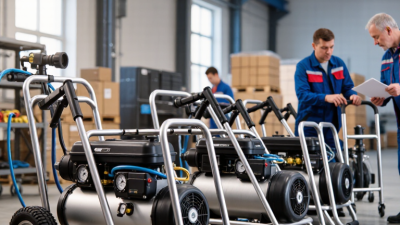
This guide introduces leading types of pressure washer cleaning machines offered by Chinese manufacturers and explains what global buyers can compare before requesting a quote. It also highlights questions worth asking about quality checks, warranty terms, documentation, and relevant market requirements. Confirm details with the supplier, and verify that stated certifications apply to the exact model and destination market. Photos help, but they cannot show long-term reliability. Sometimes paperwork needs a closer look. Use the comparison as a starting point, then match the machine to your workload, budget, and maintenance capacity. Buy carefully.
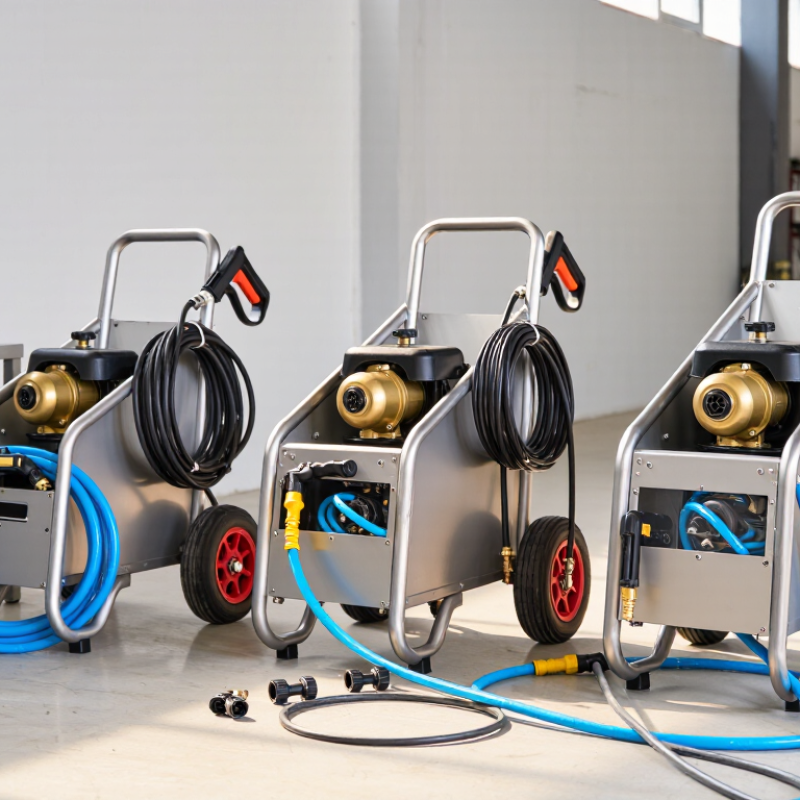
Pressure Washer Basics: Cleaning Units (CU) = Pressure (PSI) × Flow (GPM)
Cleaning Units, or CU, are calculated by multiplying pressure in PSI by water flow in GPM. A machine rated at 2,000 PSI and 2 GPM produces 4,000 CU. This figure helps global buyers compare cleaning capacity using two measurable factors. It is useful, but not a complete measure of cleaning performance.
Pressure helps loosen stubborn dirt from hard surfaces. Flow carries away the loosened soil and rinses the area. For example, a narrow nozzle may deliver a forceful stream, while a higher flow rate can rinse a wider patch more quickly. The surface matters, too: painted metal, concrete, and outdoor equipment may need different pressure and nozzle choices. Test on an inconspicuous area.
More CU is not always better. I would pause before choosing a machine on that number alone; it is tempting to treat one calculation as a full performance verdict. Check the rated PSI and GPM together, then consider water supply, hose length, nozzle options, and expected work time. A steady rinse can matter more than peak pressure. A little restraint helps. Buyers should also confirm that the operating figures match the manufacturer’s published specifications, since ratings and test conditions can vary.
Compare Chinese Models by PSI, GPM, Motor Power, and Duty Cycle
Chinese pressure-washer models should be compared at their stated working pressure, not only their maximum PSI. Flow rate matters just as much: a unit delivering 2,000 PSI at 2 GPM produces 4,000 cleaning units, a useful screening figure, but not a complete measure of cleaning speed. CETA performance-testing guidance makes test conditions important; ask whether pressure and flow were measured together under load. Small details matter. A narrow nozzle can feel forceful, yet clean slowly across a wide driveway.
Check motor power against the pump’s continuous output. NIST lists mechanical horsepower as approximately 745.7 watts, which helps convert supplier specifications; it does not prove the pump can sustain that output. Duty cycle deserves equal scrutiny. A model rated for short bursts may struggle with repeated vehicle or equipment washing, even when its PSI looks impressive. Request the stated run-and-rest schedule, water temperature limits, and warranty conditions. I would not rank machines by motor wattage alone. That comparison misses pump efficiency and heat buildup. Compare units using the same test setup, then weigh PSI, GPM, power, and duty cycle against the actual workload.
Match Spray Nozzles to Common Angles: 0°, 15°, 25°, and 40°
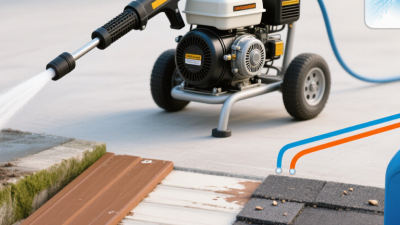
On a pressure washer, nozzle angle controls how widely water spreads and how strongly it hits one spot. A 0° nozzle produces a narrow, forceful stream. It can remove stubborn marks from durable concrete, but may scar wood, chip paint, or damage seals. Keep it away from people, tires, and fragile surfaces. Test first.
A 15° nozzle covers a little more area while retaining strong cleaning force. It can help lift grime from robust paving or metal, provided the surface tolerates concentrated spray. The 25° nozzle is a practical choice for routine washing of outdoor furniture, walkways, and equipment. Start at a sensible distance, then move closer only if needed. Keep moving.
A 40° nozzle spreads water broadly, making it useful for rinsing vehicles, windows, and delicate finishes. It usually cleans more gently, though heavy buildup may need detergent or repeated passes. Angle is only a starting point, and it is easy to forget how much distance changes impact. Check the machine’s manual, since nozzle markings and suitable pressure can vary. Before a large job, test a small, hidden area and watch for fading, etching, or loose coating.
Top China Pressure Washer Cleaning Machines for Global Buyers - Match Spray Nozzles to Common Angles: 0°, 15°, 25°, and 40°
| Spray angle |
Spray pattern |
Typical cleaning use |
Surfaces to consider |
Key precautions |
| 0° |
Very narrow, concentrated stream; highest impact over a small area. |
Removing stubborn deposits from a small, suitable hard target. |
Only durable surfaces that can safely withstand concentrated spray; test an inconspicuous spot first. |
Highest risk of surface damage and injection injury. Avoid people, animals, tires, painted finishes, wood, and fragile materials. |
| 15° |
Narrow fan with relatively concentrated cleaning force. |
Focused cleaning of tough grime on compatible, robust surfaces. |
Some concrete, masonry, or metal surfaces, subject to the washer and surface manufacturer's guidance. |
Keep the nozzle moving, begin at a greater distance, and check for etching, coating loss, or joint damage. |
| 25° |
Medium-width fan, balancing coverage and impact. |
General-purpose rinsing and cleaning of many outdoor hard surfaces. |
Suitable hard surfaces such as some patios, driveways, and outdoor equipment when used at an appropriate pressure and distance. |
Test first; use care around mortar, grout, soft stone, wood, and painted or coated finishes. |
| 40° |
Wide fan with broader coverage and less concentrated impact than narrower tips at the same operating conditions. |
Broad rinsing and lighter cleaning where surface care is important. |
Many vehicles, outdoor furniture, and painted surfaces may require a wide fan, low pressure, and adequate distance; follow their care instructions. |
A wide angle does not make every surface safe to pressure wash. Avoid forcing water into seals, electrical parts, or openings. |
Note: Nozzle angle describes the spray fan, not the machine's pressure or flow rate. Cleaning force also depends on the washer, nozzle orifice, distance, and technique. Check the equipment manual, use the correct nozzle for the machine, and wear appropriate eye protection.
Check Safety Compliance with IEC/EN 60335-2-79
For global buyers, IEC/EN 60335-2-79 is a practical safety checkpoint for many high-pressure cleaners and steam cleaners. It addresses hazards including electric shock, excessive temperatures, and mechanical risks. Confirm the applicable edition and product scope for the machine’s intended use; the standard is not a substitute for checking local market requirements.
Grand View Research estimated the global pressure washer market at USD 2.8 billion in 2023 and projected a 3.6% compound annual growth rate from 2024 to 2030. This market estimate signals broad demand, not proof that any individual machine is safe. Small details matter. Ask suppliers for a test report that matches the exact model, voltage, and accessories—not merely a general certificate or declaration.
Review evidence for electrical protection, temperature control, stability, and the durability of pressure-carrying parts. Check that the operating pressure and temperature are clearly marked, and that the hose, spray gun, and trigger controls suit the stated conditions. Where possible, inspect a sample during operation: watch for leaks, unexpected vibration, and awkward handling. A tidy document file can still miss a real-world weakness. Use an appropriately qualified laboratory to clarify test scope and report findings before purchase.
Assess Export Fit: 220–240 V, 50 Hz, Plugs, Warranty, and Spare Parts
For global buyers, a pressure washer’s export fit starts with its electrical rating. Check the nameplate for 220–240 V and 50 Hz, not just the voltage printed on a quotation. A machine may run poorly if its motor or pump controls are designed for a different frequency. Confirm the rating in writing before ordering.
Tips: Match the plug to the destination and confirm the cable length suits the work area. Ask for a clear photo of the plug and nameplate. Also request the warranty period, what it covers, and how claims are handled. Small details matter. A warranty is less useful if replacement seals, hoses, or switches are difficult to obtain. Ask for a spare-parts list, part numbers, and typical dispatch times.
Compare suppliers using the same questions, then keep their written answers with your order records. Check whether routine wear parts are available separately, rather than only as a full assembly. This can reduce downtime when a seal fails during a busy cleaning day. One limitation: paperwork cannot prove local service quality. I would still check sample parts availability before placing a large order; it takes extra time, but it may prevent an avoidable pause later.