China has become a major manufacturing base for pressure washer cleaning equipment, serving contractors, distributors, retailers, and industrial users worldwide. Grand View Research estimated the global pressure washer market at approximately USD 2.5 billion in 2023, with continued growth expected through 2030. Fortune Business Insights reports a similar expansion trend, although market estimates differ by product scope and regional coverage. That difference matters. A supplier ranking should not rely on factory size alone.
The leading Chinese suppliers typically offer electric, petrol, diesel, and hot-water machines. Their product ranges may include compact 100-bar units, heavy-duty 500-bar systems, hose reels, spray guns, and replacement pumps. Real evaluation requires more than a polished catalog. Buyers should check flow rate accuracy, pump material, motor efficiency, noise levels, testing procedures, and spare-parts availability. Look closely at certification records, factory audits, warranty terms, and export experience. A clean workshop floor is useful, but it does not prove long-term reliability.
This guide examines China’s top pressure washer cleaning equipment suppliers through practical purchasing criteria. It considers manufacturing capability, customization, quality control, delivery performance, and after-sales support. Industry reports provide market context, while supplier evidence should come from technical documents, independent inspections, and customer feedback. Some claims may remain difficult to verify. That is a weakness worth admitting. Even experienced buyers can overvalue low prices and overlook total operating costs. A dependable supplier should deliver stable pressure, consistent components, and responsive support after the shipment arrives.
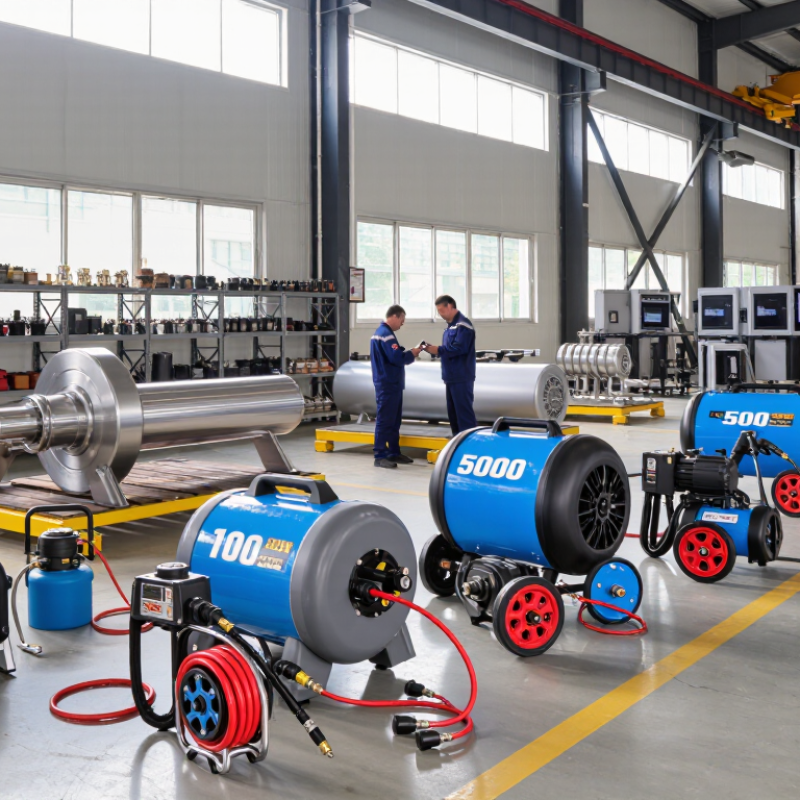
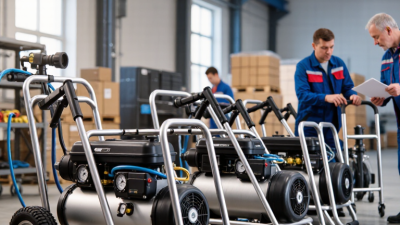
A top pressure washer equipment supplier in China is more than a factory offering a low quotation. It should show practical experience with pumps, motors, hoses, spray guns, and complete cleaning systems. During a factory visit, buyers should inspect assembly areas, incoming-part checks, and final performance testing. Look for evidence. A serious supplier can explain how water flow, working pressure, noise, and heat affect daily operation. Technicians should discuss real cleaning conditions, not simply repeat catalog figures.
Professional knowledge appears in the details. The supplier should match the machine to water quality, operating hours, surface type, and local power requirements. It should provide readable specifications, user instructions, maintenance schedules, spare-part lists, and safety guidance. Sample units deserve a practical test. Measure start-up behavior, pressure stability, leakage, hose flexibility, and shutdown performance after extended use. Independent inspection or documented test records can strengthen confidence, especially for larger orders.
Reliability also depends on communication after shipment. A capable supplier responds clearly to technical questions, confirms changes in writing, and tracks corrective actions. Ask how defects are recorded and how replacement parts are handled. No supplier is perfect. I have seen promising samples hide inconsistent assembly in later batches. That is why a top supplier welcomes audits, keeps batch records, and accepts reasonable re-testing. Transparent cooperation often matters more than polished sales language.
China Top Pressure Washer Cleaning Equipment Suppliers?
Key Types of Pressure Washer Cleaning Equipment Available
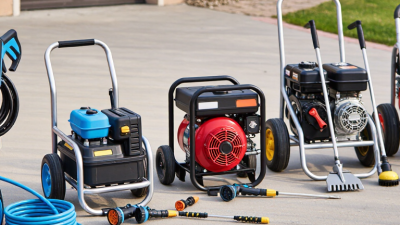
Pressure washer cleaning equipment varies by pressure, water flow, power source, and working environment. Cold-water units suit vehicles, patios, walls, and general maintenance. They remove dust, mud, and loose grime efficiently. Hot-water machines add heat for oil, grease, and food residue. The heat softens contamination before the spray reaches the surface. This often reduces chemical use and cleaning time.
Electric pressure washers are quieter and practical for workshops, garages, and indoor service areas. Petrol-powered units offer greater mobility where electrical access is limited. They need proper ventilation and careful fuel handling. Compact models help with light household work, while industrial machines support long operating periods. A stable frame, large wheels, and accessible controls matter during daily use. Small details matter.
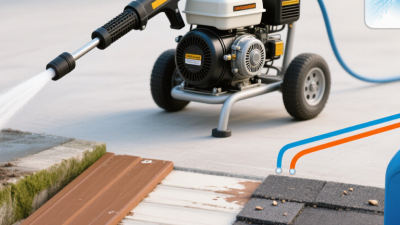
Useful accessories expand cleaning performance. Adjustable spray lances support different surface distances and pressures. Rotary nozzles can remove stubborn dirt from concrete, but they may damage weak coatings. Surface cleaners produce more even results on broad floors. Drain-cleaning hoses reach narrow pipes and channels. Foam applicators help spread detergent across vehicles and equipment.
Choosing equipment only by maximum pressure is a common mistake. Water flow can influence real cleaning speed more than pressure alone. I would check the pump material, hose length, thermal protection, and spare-part access. My first choice may still be too powerful for delicate paint. Testing a small area is safer. A reliable supplier should provide clear specifications, operating guidance, and service documentation.
Choosing China’s top pressure washer cleaning equipment suppliers requires more than comparing online prices. A reliable evaluation begins with factory evidence, not polished product photos. Ask for the company’s production history, inspection procedures, and export experience. Look beyond the catalog. Visit the facility when possible, or use an independent inspection service.
Request a working sample before placing a large order. Test the pump after repeated use, not just during a short demonstration. Check water pressure, flow stability, hose connections, noise, and heat around the motor. Inspect the frame for clean welds and consistent coating. Ask for material specifications for seals, pistons, nozzles, and electrical parts. A pressure test record should include dates, test limits, and responsible staff. Missing details matter.
Manufacturing quality also depends on process control. Review incoming-material checks, assembly instructions, calibration records, and final inspection reports. Confirm that serial numbers connect products with production batches. This improves traceability when defects appear. Communication is another practical test. Can the supplier explain a failure clearly and propose a measurable correction? Be careful with perfect claims. A spotless sample may hide inconsistent mass production. I would order a small trial batch, inspect several units, and compare results against the approved sample. One missed inspection can become an expensive lesson. A dependable supplier accepts questions, documents changes, and allows quality checks before shipment.
China’s pressure washer supplier market is best assessed by product category, not factory size alone.
Industrial suppliers commonly provide cold-water, hot-water, electric, and fuel-powered machines.
Cold-water models suit vehicle washing, building facades, farm equipment, and general maintenance.
Hot-water systems remove grease from workshops, kitchens, and heavy machinery more efficiently.
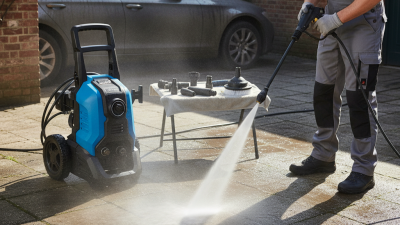
Electric units work well indoors because they produce less noise and no exhaust.
Fuel-powered models support outdoor construction sites, but ventilation and local emissions rules require careful review.
That detail is often missed.
Application-specific suppliers may offer surface cleaners for large floors, compact units for property maintenance, or high-flow systems for agriculture and municipal work.
Food-processing users should inspect stainless-steel construction, temperature control, and easy sanitation access.
Construction buyers often need rugged wheels, long hoses, and nozzles for concrete dust and mud.
A dependable supplier should explain pump materials, pressure stability, water-flow requirements, and replacement-part availability.
Ask for operating tests, maintenance records, and clear manuals.
Numbers need context.
Supplier experience is also shown through training and after-sales support.
A machine may perform well in a showroom but struggle with hard water or unstable electricity.
Request testing with your actual water source and cleaning surface.
This small step can expose weaknesses before shipment.
My own assessment would not rely on pressure alone; flow rate, durability, user safety, and repair access matter just as much.
Some specifications still look precise while field performance varies.
That remains a point worth questioning.
China’s top pressure washer cleaning equipment suppliers are judged by more than factory price. Export experience matters when machines cross different voltage, plug, and packaging requirements. Reliable suppliers provide clear product specifications, user manuals, commercial invoices, and shipment records. Ask for certification documents that match the destination market, such as electrical safety and electromagnetic compatibility reports. Documents should be traceable to the exact model, not a similar unit. That detail is often missed. Customization can include hose length, spray-gun design, motor configuration, labels, cartons, and private color schemes. A practical supplier confirms these changes with drawings and sample testing before mass production. Samples reveal issues that online conversations hide, including weak fittings or awkward handle angles.
After-sales support shows a supplier’s real professionalism. Confirm warranty duration, spare-parts availability, repair guidance, and response times before placing an order. Ask whether common parts can ship separately in small quantities. A damaged seal should not stop a customer’s work for weeks. Remote troubleshooting is useful, especially when technicians share clear videos and numbered instructions. Some suppliers offer fast replies but weak follow-through. No supplier is perfect. The buyer should record every agreement, test the first shipment, and inspect packaging before container loading. A dependable partner accepts reasonable criticism and improves the next production batch. That practical attitude supports safer exports, steadier maintenance, and fewer unpleasant surprises.