What Is Power Washing and How Does It Work?
What Is Power Washing and How Does It Work?
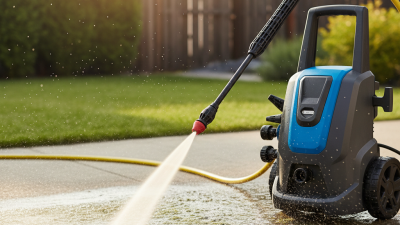
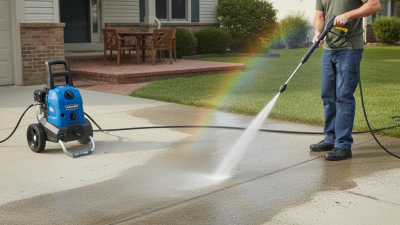
Power washing is a practical cleaning method that combines pressurized water with heat. It removes dirt, algae, grease, mildew, and weather stains from hard surfaces. A typical machine draws water from a hose and pushes it through a narrow nozzle. The smaller opening increases pressure and creates a focused spray.
Heat matters.
Home improvement expert Bob Vila explains, “Power washing uses heated water, whereas pressure washing uses cold water.” This difference helps loosen oily residue from driveways, patios, decks, walls, and commercial equipment. The operator adjusts pressure, temperature, and nozzle distance for each material. Concrete may tolerate a stronger spray, while painted wood can scar easily.
The process looks simple, but surface knowledge matters. I have seen inexperienced cleaning leave stripes across concrete after the nozzle moved too slowly. That result is not a machine failure. It reflects poor technique. A careful technician tests a hidden area, protects nearby plants, and works in steady overlapping passes. They also choose detergents based on the stain instead of using one product everywhere.
Power washing can improve appearance and reduce slippery buildup. However, it cannot repair cracked concrete, rotten timber, or failing paint. Those problems require separate attention. Water can also enter gaps around windows and doors when used carelessly. Understanding these limits makes the service safer and more reliable. This guide explains the equipment, cleaning action, suitable surfaces, common mistakes, and practical steps behind effective power washing.
Definition and Purpose of Power Washing
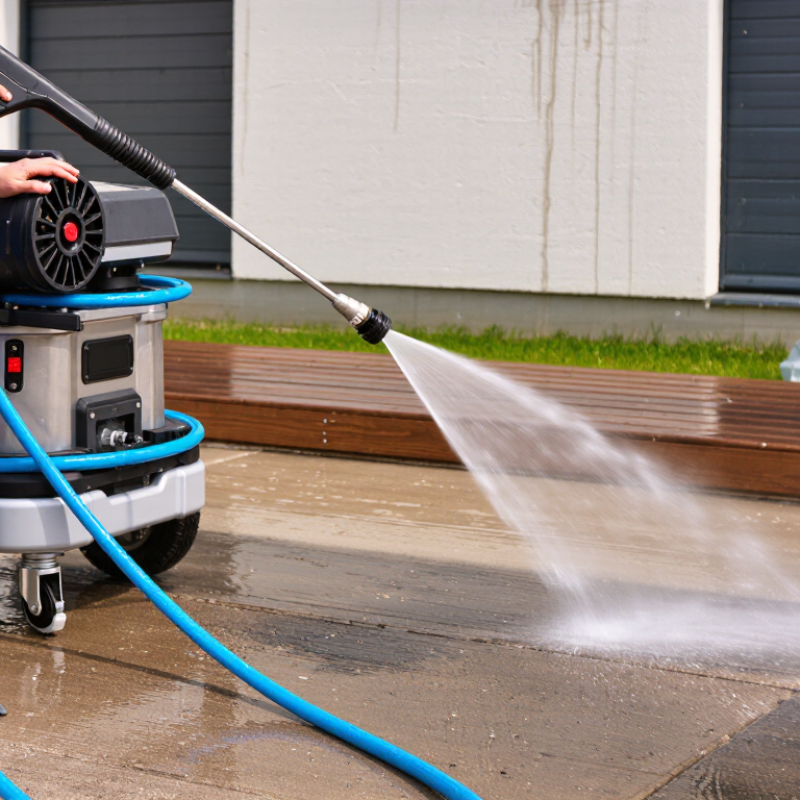
Power washing is a cleaning method that combines pressurized water with heat. A pump pushes water through a narrow nozzle, producing a focused stream that loosens dirt from suitable surfaces. The heat can help break down oily residue and stubborn grime, while the pressure carries debris away. It is not simply a stronger garden hose. The added force can also damage paint, soft wood, or fragile mortar.
Its purpose is to remove buildup that ordinary rinsing may leave behind. On a concrete walkway, for example, it can lift embedded soil and dark marks; on greasy outdoor paving, warm water may help loosen residue. Results depend on the surface, water temperature, nozzle, and distance from the work area. Too close, and the stream may leave pale etch marks or strip a coating. That part is easy to underestimate.
A careful operator checks the material first, starts with a wider spray, and tests a discreet patch. Some stains need a suitable cleaner or gentle scrubbing instead of more pressure. Power washing is a tool, not a cure-all, and surfaces can respond unpredictably. Even experienced users sometimes need to slow down and reassess.
Key Components of a Power Washing System
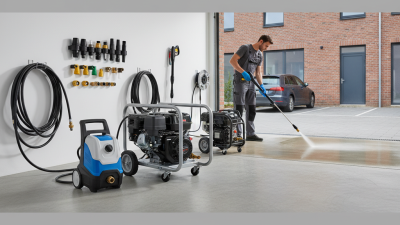
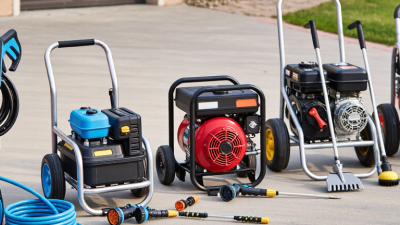
A power washing system uses a pump to push water through a narrow nozzle at high pressure. Many systems also heat the water, which can help loosen greasy soil. Heat is not essential for every cleaning task. The machine’s engine or electric motor supplies power to the pump, while an inlet hose brings in water. A small filter at the inlet catches grit that could wear down internal parts.
The pump is the system’s working heart. It raises water pressure, then sends the flow through a high-pressure hose to the spray wand. A nozzle shapes the stream: a narrow spray concentrates force, while a wider spray covers more surface with less impact. Choose carefully. On painted wood or aging concrete, too much pressure can cause damage before the dirt comes off. Some systems include a detergent injector, which draws cleaning solution into the water at a controlled point.
A trigger on the wand starts and stops the spray, but the pump may keep running briefly or shift into a bypass mode. Check the manual for the machine’s specific setup. Keep the hose free of sharp bends, and inspect fittings for leaks before starting. Small details matter. Even a partly blocked inlet can make pressure uneven, a problem that may be mistaken for a failing pump. And, honestly, not every stubborn stain needs more force; a slower pass or suitable cleaner may work better.
How Water Pressure and Heat Remove Dirt
What Is Power Washing and How Does It Work?
Power washing combines pressurized water with controlled heat to clean durable outdoor surfaces. A pump forces water through a narrow nozzle, creating a concentrated spray. Heated water softens grease, oil, and sticky residue more quickly than cold water. Pressure matters. It breaks the bond between soil and the surface, then carries loosened particles away. Heat helps, but it cannot replace careful technique. The correct temperature and pressure depend on the material, stain, and cleaning distance.
In practical work, an operator usually tests a small hidden area first. This reveals whether the surface can tolerate heat and force. Concrete may handle stronger pressure, while painted wood needs a gentler spray. A steady sweeping motion prevents uneven marks. Keeping the nozzle too close can leave pale lines or damage soft areas. I have found that patience often cleans better than maximum force. A slower pass gives heat time to loosen grime.
Power washing is effective, but it is not foolproof. Excessive pressure can push dirt deeper into porous concrete or remove protective coatings. Heat can also damage certain plastics, sealants, and delicate finishes. The common mistake is treating every stain the same way. Oil may need heat, while loose dust may only need moderate water pressure. Even experienced operators can misjudge a surface after one quick glance. That is why controlled testing, safe equipment handling, and attention to changing water runoff remain essential.
Step-by-Step Process of Power Washing
Power washing uses pressurized water to remove dirt, algae, grease, and loose paint from hard surfaces. The machine may heat the water, helping dissolve stubborn grime more efficiently. Pressure level, water temperature, and nozzle choice must match the material. Concrete can tolerate more force than painted wood or old mortar.
The process starts with a careful inspection. I check for cracks, loose joints, fragile paint, and nearby electrical points. Then I remove furniture, sweep loose debris, and cover delicate plants. A low-pressure test area reveals how the surface reacts. This small step matters. It can prevent permanent marks.
Next, I apply a suitable cleaning solution when needed and allow brief dwell time. I never let it dry completely. The nozzle stays several inches from the surface, moving in steady, overlapping passes. I work from higher areas downward, so dirty water does not stain cleaned sections. Corners and textured concrete usually need slower passes. After rinsing, I inspect the surface under natural light and repeat only where necessary. The first pass rarely looks perfect. Too much pressure can etch concrete, strip paint, or force water behind siding. Finally, I remove coverings, rinse nearby areas, and allow the surface to dry before judging the result.
Common Surfaces, Uses, and Safety Considerations
Power washing uses a pump to force water through a narrow nozzle; some machines also heat the water to loosen oily grime. Cold-water pressure washing is often enough for dust on concrete, brick, stone, and sturdy metal. Wood siding and decks need more care: a harsh spray can strip fibers, lift paint, or drive water behind boards. The USDA Forest Products Laboratory’s Wood Handbook explains how moisture affects wood’s dimensions and durability. A surface may look clean yet still be damaged.
Water use matters, too. The U.S. Environmental Protection Agency’s WaterSense program estimates outdoor use accounts for about 30% of household water use; wind, evaporation, and runoff can waste up to half of outdoor watering. Those figures cover outdoor water broadly, not power washing alone, but they make runoff and overspray worth considering. Use the lowest effective pressure, a wide spray angle, and steady motion. Test an inconspicuous patch first. It can still go wrong.
Keep the nozzle moving and point it away from people, pets, windows, and electrical fittings. High-pressure water can puncture skin, even when a wound looks small; seek urgent medical care if an injection injury occurs. Wear eye protection and sturdy, nonslip footwear. Avoid ladders while operating a washer—the recoil can upset your balance. There is no single safe setting for every surface; distance, nozzle, and material all change the result.