Why Choose a Hot Water Power Washer?
Choosing a hot water power washer is less about owning stronger equipment. It is about matching heat, pressure, and cleaning chemistry to a real task.
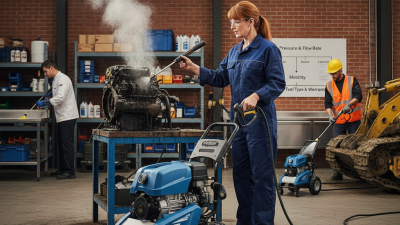
In a workshop, warm water can loosen greasy residue from engine parts, loading ramps, and concrete floors. Cold water may spread that residue instead. That practical difference often becomes clear after one difficult cleanup. An experienced operator still checks the surface first. Painted panels, soft plastics, seals, and delicate coatings can react badly to excessive heat or pressure. Manufacturer instructions matter. So does correct detergent selection.
A reliable machine should offer stable temperature control, clear pressure settings, protected hoses, and accessible service points. These details reduce guesswork when gloves are wet and visibility is poor. Good training also matters. The safest results come from controlled passes, suitable distance, ventilation, and proper protective equipment. Never aim at people, animals, live electrical components, or fragile surfaces.
The hot water power washer can save time where oil, mud, food residue, or road film resists cold water. It may also reduce repeated scrubbing during certain jobs. Results vary, however. Fuel costs, heating time, maintenance, noise, and drainage requirements deserve honest consideration. It is not a perfect tool. A smaller cold-water unit may suit light household cleaning better. The right choice depends on measured needs, not impressive specifications alone. Reviewing local guidance and the machine’s tested limits helps turn powerful cleaning into dependable work.
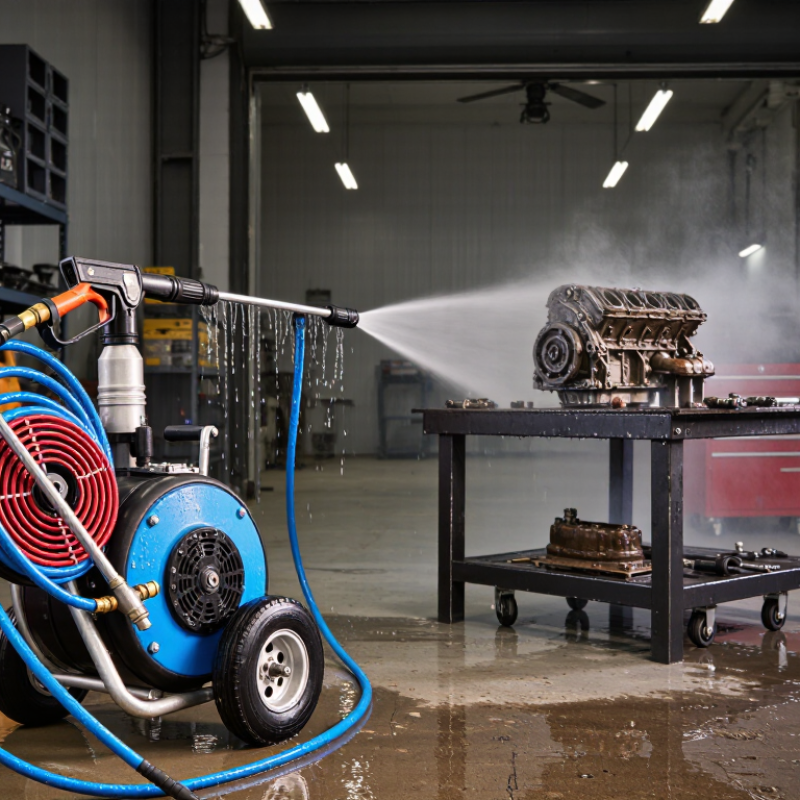
What Is a Hot Water Power Washer? Pressure, Heat, and Flow Defined
A hot water power washer combines a pump, heating system, and spray wand. It cleans with three working forces: pressure, heat, and flow. Pressure, measured in PSI or bar, breaks the bond between dirt and a surface. Heat softens grease, oil, and sticky residue. Flow, measured in gallons or liters per minute, carries loosened soil away. A machine with extreme pressure but weak flow may remove grime slowly.
Hot water is especially useful on workshop floors, vehicle parts, loading areas, and equipment coated with oily deposits. Many professional units heat water between 60 and 90°C, depending on the model and setting. Begin with moderate heat and pressure. Keep the nozzle moving. Holding it too close can scar concrete, strip paint, or force water beneath seals. Hot water can also deform some plastics and damage delicate finishes.
The right choice depends on the surface, soil, and cleaning time. Cold water may handle dust and loose mud efficiently. Hot water usually reduces scrubbing and may require less detergent for greasy work. A small test patch remains wise. It reveals problems before they spread. I sometimes expect heat to solve everything, but flow still matters when debris must be rinsed away. Maximum pressure is tempting. It is not always the most effective setting.
How 80°C (176°F) Water Breaks Down Oil and Grease More Effectively
Why Choose a Hot Water Power Washer?
An 80°C (176°F) power washer handles oil and grease more effectively because heat changes their physical behavior. Thick grease becomes softer and less viscous, so pressurized water can lift it from concrete, machinery, and loading areas. The heat also loosens the bond between oily residue and rough surfaces. Cleaning becomes faster and often requires less detergent.
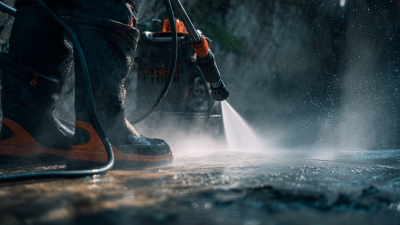
From practical cleaning experience, temperature matters most when grease has cooled into a hard film. Hot water penetrates that layer instead of simply pushing it around. However, 80°C water does not solve every problem. Burn risks, surface damage, and vapor exposure require proper training and protective equipment. Test painted surfaces, seals, plastics, and delicate coatings first. I have sometimes assumed more heat meant better cleaning, but excessive heat can damage materials and waste energy.
Tips: Keep the nozzle moving. Allow brief contact time. Use a suitable degreaser when needed, then rinse thoroughly. Work from the cleaner area toward heavier buildup. Watch for slippery runoff, especially near drains and walkways. Temperature readings can vary at the nozzle, so verify performance during actual use.
Why Choose a Hot Water Power Washer? - How 80°C (176°F) Water Breaks Down Oil and Grease More Effectively
| Water Temperature |
Approx. Fahrenheit |
Water Viscosity* |
Surface Tension* |
Effect on Oil and Grease |
Practical Cleaning Result |
| 20°C |
68°F |
1.002 mPa·s |
72.8 mN/m |
Grease remains comparatively thick and strongly attached to many surfaces. |
Useful for loose dirt, but usually less effective on heavy oil and grease. |
| 40°C |
104°F |
0.653 mPa·s |
69.6 mN/m |
Many oily residues begin to soften and flow more readily. |
Improved rinsing, especially when combined with detergent. |
| 60°C |
140°F |
0.467 mPa·s |
66.2 mN/m |
Lower viscosity allows hot water to spread and carry loosened oil more easily. |
More effective on workshop, kitchen, and vehicle-related grease deposits. |
| 80°C |
176°F |
0.355 mPa·s |
62.7 mN/m |
Heat softens many fats and reduces oil viscosity, helping the spray penetrate and separate residues. |
Faster breakdown and rinsing of heavy grease when the surface and material are heat-resistant. |
Why 80°C helps
Water viscosity is approximately 65% lower at 80°C than at 20°C, so it flows and transports loosened oily residue more readily.
Heating requirement
Raising 1 litre of water from 20°C to 80°C requires approximately 251 kJ, or 0.070 kWh, excluding equipment losses.
Safety note
Water at 80°C can cause severe burns. Use suitable protective equipment and verify that the surface, seals, coatings, and materials can withstand the temperature.
*Approximate properties of pure water at atmospheric pressure. Actual cleaning performance also depends on grease type, detergent selection, pressure, flow rate, spray distance, and contact time.
Selecting 100–200 Bar, 10–20 L/min, and the Right Heat Source
Why Choose a Hot Water Power Washer?
Selecting a hot water power washer starts with the cleaning task, not the highest advertised pressure. A 100–200 bar range suits many vehicle, workshop, facility, and equipment-cleaning jobs. However, pressure alone can mislead. A 200-bar machine may clean poorly if its nozzle cannot deliver enough water.
Flow rate matters more than many buyers expect. The U.S. Environmental Protection Agency’s WaterSense at Work guidance reports that pressure washers commonly use about 2–5 gallons per minute, equal to roughly 8–19 L/min. Choosing 10–20 L/min can improve rinsing and reduce repeated passes. It also increases water demand. That trade-off deserves a site test.
Heat source selection changes operating cost and handling. Electric heating offers cleaner indoor operation, but it may require substantial electrical capacity. Diesel or gas heating can provide stronger heat recovery in outdoor work, though ventilation, fuel storage, and maintenance become important. The U.S. Department of Energy’s Industrial Decarbonization Roadmap identifies process heating as roughly half of industrial energy use. That figure makes fuel efficiency more than a technical detail.
I prefer adjustable temperature control and stable flow. A fixed high-temperature setting is often wasteful. Water hardness, surface coatings, and detergent choice also affect results. My first specification would be 150 bar and 12–16 L/min, then field-test the nozzle. It is not perfect, but real dirt often challenges neat calculations.
Why Choose a Hot Water Power Washer?
Selecting 100–200 bar, 10–20 L/min, and the right heat source
Light-duty cleaning
Around 100 bar and 10 L/min suits vehicles, equipment, and general surface washing where moderate impact is sufficient.
General-purpose cleaning
Around 150 bar and 15 L/min provides a balanced combination of cleaning force, rinsing speed, and water consumption.
Heavy-duty cleaning
Around 200 bar and 20 L/min is better for large machinery, construction equipment, and heavily embedded dirt.
Heat-source selection
Diesel or gas heating is commonly selected for high-temperature, mobile, or off-grid operation. Electric heating is suitable where clean indoor operation and reliable electrical capacity are available.
Safety Standards for Hot Water: Burn, Steam, and Carbon Monoxide Risks
Why Choose a Hot Water Power Washer?
Hot water power washers remove grease, oil, and embedded dirt faster than cold-water systems. However, heat introduces serious safety concerns that deserve careful planning. A heated unit can produce scalding water, invisible steam, and carbon monoxide from fuel combustion. I have found that the most dangerous moments often occur during setup, not cleaning. A loose hose, blocked exhaust, or rushed connection can create trouble within seconds. Treat every discharge as burn-capable, even when the spray looks harmless.
Tips: Wear gloves, eye protection, long sleeves, and slip-resistant boots. Keep people away from the work area. Never aim the wand at skin, footwear, or another person. Operate combustion-heated equipment outdoors or in a fully ventilated space. Never use it inside a garage, trailer, basement, or enclosed workshop. Carbon monoxide has no reliable smell, so ventilation alone may not reveal danger. Use a suitable detector where practical, and stop immediately if anyone feels dizzy, weak, or nauseated.
Before starting, inspect hoses, fittings, trigger locks, fuel lines, and exhaust paths. Let the machine cool before maintenance or storage. Steam can remain trapped after shutdown, which is easy to forget. Follow the operating manual and workplace procedures, including pressure and temperature limits. I still recheck connections before every job; experience makes shortcuts tempting, but it does not make them safe. When conditions are uncertain, a trained technician should inspect the equipment before use.