How to Choose Pressure Washing Supplies for Global Buyers?

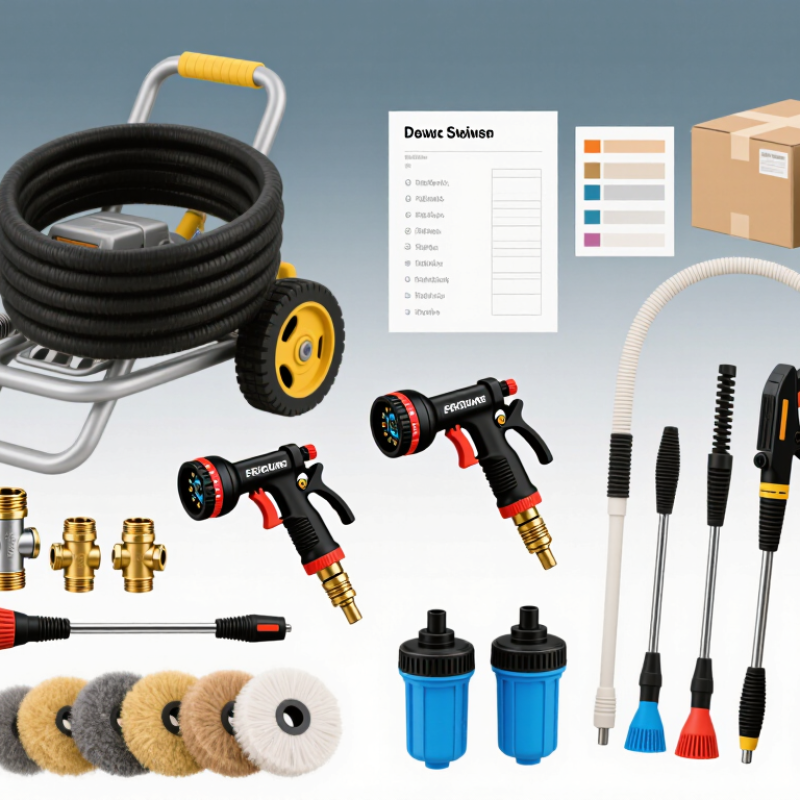
Choosing pressure washing supplies for global buyers requires more than comparing prices or reading product photos. Equipment must match the cleaning task, water source, power system, and working environment. A commercial operator may need high-pressure hoses, durable trigger guns, surface cleaners, filters, nozzles, pumps, and reliable spare parts. A household buyer may need a lighter and safer configuration.

Small details matter. Check the inlet size, pressure rating, flow rate, connector type, and material quality. A hose that looks strong can still fail after repeated bending near a concrete wall. Brass fittings may resist corrosion better in some conditions. However, stainless steel or reinforced plastic may suit other applications. Product selection should follow documented specifications, sample testing, and supplier communication.

Global purchasing adds practical challenges. Voltage, plug design, packaging strength, language, shipping conditions, and regional safety requirements can affect the final result. Ask suppliers for technical data sheets, test reports, warranty terms, and replacement-part availability. Confirm whether the stated pressure is working pressure or maximum pressure. These figures are not always presented clearly.

A checklist helps. It is not perfect.

Experienced buyers should inspect samples before placing large orders. They should also confirm batch consistency and after-sales support. Qualified local professionals can verify applicable requirements in the destination market. One overlooked fitting can delay an entire project. Careful comparison creates safer purchases, more predictable cleaning performance, and stronger long-term value for international buyers.
How to Choose Pressure Washing Supplies for Global Buyers?

Understanding Pressure Washing Equipment Categories and Applications

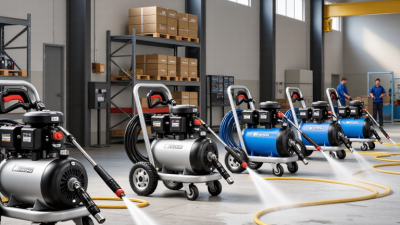
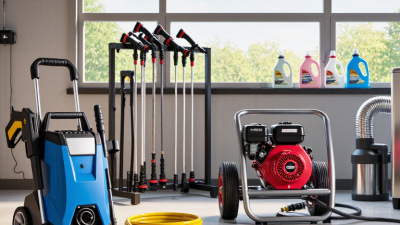
Global buyers should classify pressure washing equipment by pressure, flow, heat, and power source. Cold-water electric units suit vehicles, patios, and light commercial cleaning. Gas-powered machines offer higher mobility where electrical supply is limited. Hot-water models remove grease from workshops, kitchens, and industrial floors more efficiently. Ultra-high-pressure systems require specialist training and stronger surface controls.

Grand View Research reported that the global pressure washer market reached about USD 2.2 billion in 2022, with growth projected through 2030. This expansion reflects demand from construction, facility management, agriculture, and vehicle care. Still, market growth does not make every machine suitable. A buyer should compare litres per minute, working pressure, duty cycle, hose length, nozzle angles, and detergent compatibility. Pressure alone can damage paint, soft stone, wood, and joint sealants.

Match the job. Start there.

For international purchasing, verify voltage, frequency, plug standards, water connections, packaging protection, and replacement-part availability. A 220–240V unit may not suit a 110–120V site without approved electrical planning. The U.S. Occupational Safety and Health Administration also stresses training, protective equipment, and safe handling around electrical systems and pressurized water. My checklist still has one weak point: laboratory ratings may not reflect muddy water, long hoses, or seasonal temperature changes. Request application testing, realistic flow data, and service documentation before choosing volume over reliability.

How to Choose Pressure Washing Supplies for Global Buyers?

Understanding Pressure Washing Equipment Categories and Applications

The chart shows typical working-pressure ranges for common pressure-washing equipment categories. Light-duty electric units are generally suitable for vehicles and delicate surfaces, while higher-pressure commercial and industrial systems are used for concrete, heavy equipment, and large facilities. Buyers should also compare water flow, power supply, operating temperature, accessories, safety requirements, and local standards.

Typical industry operating ranges; actual specifications vary by equipment design, nozzle selection, surface condition, and application requirements.

Evaluating Water Pressure, Flow Rate, and Cleaning Performance

When choosing pressure-washing supplies, compare pressure and flow rate together. Pressure, measured in PSI, breaks the bond between dirt and a surface. Flow rate, measured in GPM or L/min, carries loosened soil away. A high PSI rating alone can mislead buyers. The U.S. EPA’s WaterSense at Work guide identifies pressure washing as a water-efficiency opportunity and discusses equipment commonly operating around 2–5 GPM. For global purchasing, convert units carefully. A 2.5 GPM washer consumes about 75 gallons in 30 minutes.

Cleaning performance depends on more than pump pressure. A practical industry measure is cleaning units: PSI multiplied by GPM. For example, 2,000 PSI at 2.5 GPM produces 5,000 cleaning units. However, this figure is only a screening tool. Nozzle angle, spray distance, temperature, detergent delivery, and surface type can change real results. The U.S. Department of Energy’s Industrial Assessment Centers also emphasize reducing unnecessary water and energy use through equipment optimization. That supports choosing sufficient flow, not excessive flow.

Test before ordering large quantities. I have seen buyers select impressive PSI numbers, then struggle with slow rinsing because the flow was too low. That mistake is easy to repeat. Measure inlet flow at the actual site, especially where municipal water pressure varies. Check performance at the nozzle, not only the pump outlet. A short field trial on concrete, painted metal, and textured stone can reveal overspray, incomplete rinsing, or surface damage. The best specification is rarely the biggest one. It is the one that cleans consistently with manageable water use.

Selecting Hoses, Nozzles, Pumps, and Essential Accessories

Choosing pressure washing supplies for global buyers starts with matching the equipment to the work, not the advertised maximum pressure. Grand View Research reported that the global pressure washer market was valued at roughly USD 2.5 billion in 2023, showing strong demand across commercial and residential cleaning. That growth also creates more confusing specifications.

A hose should tolerate the pump’s working pressure, heat, and cleaning chemicals. Choose a larger internal diameter for longer runs, because narrow hoses can reduce flow and increase pressure loss. A 15-degree nozzle removes heavy dirt, while 25 or 40 degrees suit painted surfaces and vehicles. Test on a small area first. It prevents expensive damage.

The pump needs a suitable flow rate, stable seals, and corrosion-resistant materials. For frequent commercial use, metal pump heads usually offer better serviceability than basic plastic assemblies, though weight and cost increase. Industry testing guidance commonly emphasizes matching gallons per minute with pressure; pressure alone does not clean effectively. I once selected a pump by pressure only. That was a poor decision. The machine felt powerful, but its low flow made large surfaces painfully slow.

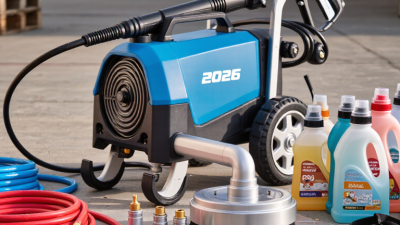
Global buyers should also check thread standards, inlet fittings, voltage, thermal protection, and replacement-part availability. Include inlet filters, quick couplers, trigger guns, extension wands, surface cleaners, and protective eyewear. The U.S. Environmental Protection Agency advises reducing unnecessary water waste, so a flow-control nozzle can matter in water-limited regions. Specifications are not always honest. Verify them with independent test data.

Checking Safety Standards, Material Quality, and Product Compatibility

Global buyers should treat safety standards as a purchasing filter, not a paperwork exercise. ISO 12100 recommends structured risk assessment, while EN 1829-1 addresses high-pressure water jet equipment. Check the maximum working pressure, burst pressure, trigger-lock design, hose fittings, and emergency shutoff. The U.S. Bureau of Labor Statistics reported about 2.6 million nonfatal workplace injuries in private industry during 2023. Pressure washing equipment is only one contributor, but the figure shows why basic controls matter. PPE alone is not enough.

Material quality affects service life and chemical safety. Stainless steel fittings resist corrosion better than ordinary plated metal in wet environments. EPDM seals suit many alkaline detergents, while FKM can perform better with some oils and solvents. Always confirm the supplier’s compatibility chart. A small seal can stop a large machine. I have seen buyers focus on pump pressure and ignore hose temperature ratings. That mistake becomes expensive quickly. No checklist is perfect.

Compatibility also includes local electricity and water conditions. Verify voltage, frequency, plug configuration, thread standards, and replacement-part availability before ordering. The U.S. Environmental Protection Agency notes that pressure washers commonly consume about 2–5 gallons of water per minute. Select nozzles and flow rates that match the pump, water source, and drainage capacity. A powerful unit may perform poorly with restricted supply. Request test records, safety instructions, material specifications, and batch traceability. If documentation feels vague, pause the order.

Comparing Suppliers, Costs, Certifications, and Global Shipping Terms

Choosing pressure washing supplies for global buyers requires more than comparing catalog prices. A reliable supplier should explain pump flow, pressure ratings, hose materials, nozzle angles, and expected service life. Ask for test records, product samples, and clear maintenance guidance. Certifications should match the product and destination market, not merely appear on a sales sheet.

Costs can mislead. A low-priced hose may crack sooner, while an efficient pump can reduce water and electricity use. Compare the full landed cost, including packaging, inspection, freight, insurance, duties, and replacement parts. Request a detailed quotation with currency, payment schedule, minimum order quantity, and production lead time. Small details matter.

Shipping terms need careful review. FOB may leave ocean freight and insurance to the buyer, while CIF usually covers transport to the named port. DDP can simplify delivery, but confirm who handles customs, taxes, and local compliance. Check carton dimensions and pallet strength before ordering. Damaged fittings create expensive delays.

Supplier audits should cover factory capacity, quality controls, export experience, and response time. Ask how defects are recorded and resolved. Do not accept vague certificates. Verify issuing organizations and certificate validity independently. My own purchasing checklist would still need revision, especially when freight rates change suddenly or specifications are incomplete. It is better to pause than approve unclear equipment.